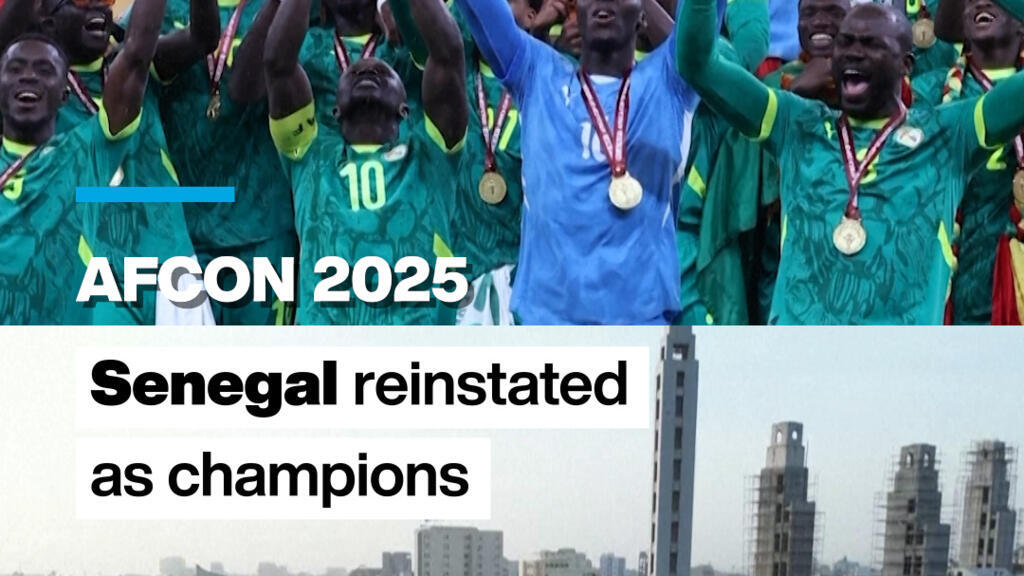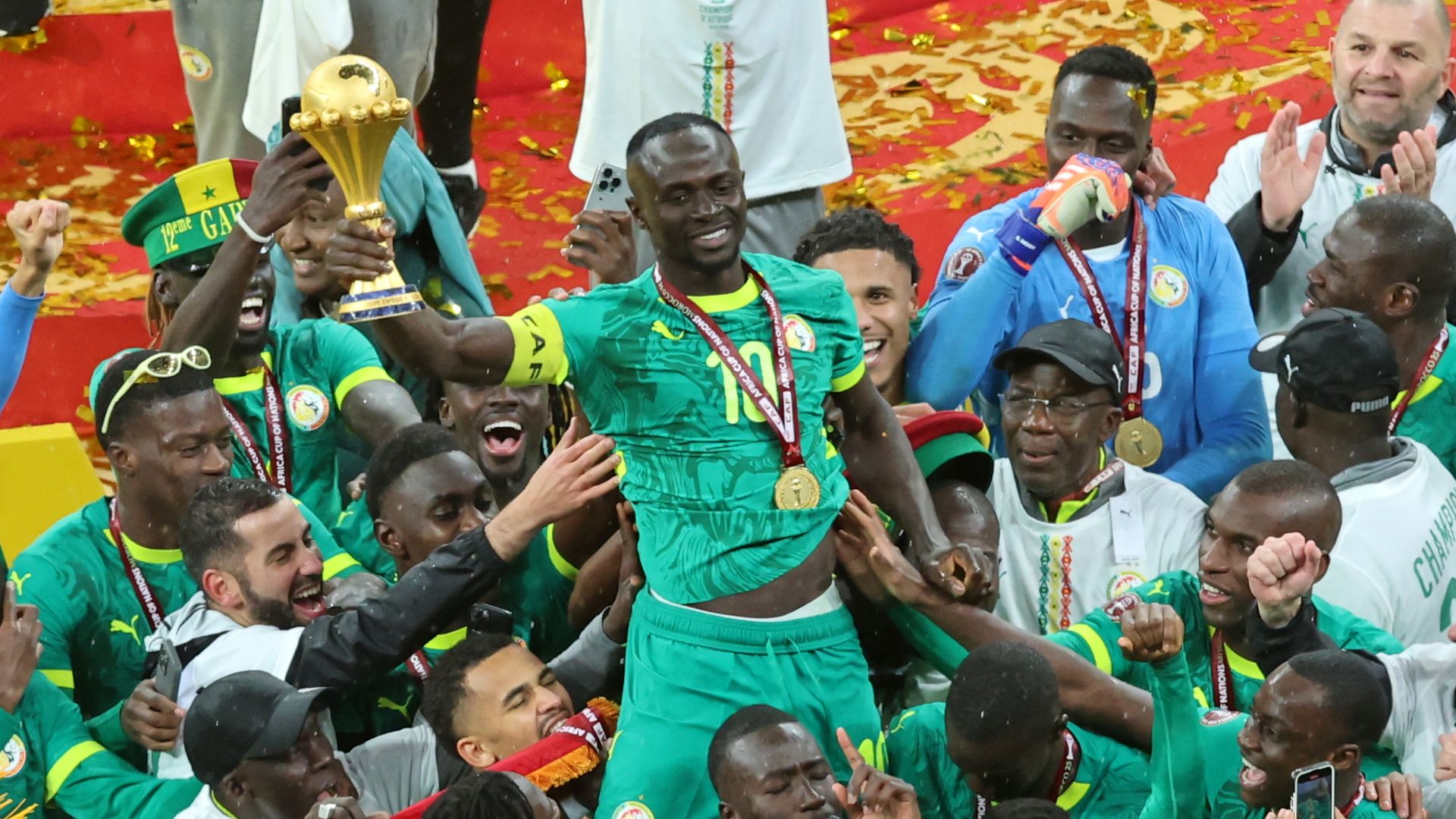
Senegal restored as Africa Cup of Nations champions after a unanimous ruling from the Court of Arbitration for Sport (CAS) wiped out one of the strangest post-match reversals in African football history. For eight exhausting months, the trophy lived in a legal tug-of-war between Rabat, Dakar, and Lausanne. On November 24, 2026, a three-judge CAS panel finally put the original result back on the books: Senegal beat hosts Morocco 1-0 in extra time on January 18, 2026, and the title belongs to them.
Honestly, it still feels wild that we spent most of this year debating a match that was already finished, scored, and won on the grass. Senegal didn't vanish into the night during that chaotic stoppage-time protest. They came back, Edouard Mendy saved Brahim Diaz's Panenka penalty, and Pape Gueye buried the extra-time winner in the 94th minute. Stripping a team of a trophy months after the whistle blew over a temporary walk-off always felt like courtroom overreach. If you found value in this post, you should look at: this related article.
How the Chaos Unfolded in Rabat
If you missed the end of that January final in Rabat, it played out like a soap opera with stadium floodlights. Stoppage time was already stretching out when tension boiled over. Senegal had a goal disallowed around the 92nd minute, and minutes later referee Jean-Jacques Ngambo Ndala pointed to the spot for Morocco. For another look on this event, refer to the latest update from The Athletic.
Coach Pape Thiaw ordered players off the pitch in protest, sparking a delay of more than 15 minutes while tempers flared across the stadium. Sadio Mane stepped up to urge his teammates back onto the field so the game could actually finish. Once order returned, Diaz stepped up for a cheeky Panenka, Mendy stood tall to keep it out, and Gueye struck early in extra time to send Dakar into delirium.
At the time, the match ended. Both sides played to the finish. Nobody walked out permanently and left the stadium empty.
Why CAF Stripped Senegal and How CAS Reversed It
Two months later, on March 17, 2026, the Confederation of African Football (CAF) Appeal Board overturned that 1-0 win. Acting on an appeal from the Royal Moroccan Football Federation (FRMF), CAF ruled that Senegal had forfeited the match under tournament rules covering teams that leave the ground without referee authorization, awarding Morocco a 3-0 win and the crown.
That decision split African football right down the middle. Critics accused CAF of rewriting history in a boardroom after the referee had already allowed play to continue. When the Senegalese Football Federation appealed to CAS on March 25, the dispute shifted from stadium politics to strict sports law.
Following an October 8 hearing in Lausanne before a panel led by Gerald Simon alongside Luigi Fumagalli and Ulrich Haas, CAS backed Senegal unanimously. The judges anchored their reasoning in the field of play doctrine. Because referee Ndala exercised his authority to restart the match once both teams returned and were ready to play, he had already settled the question of whether the game could continue. Regulations meant for matches that are permanently abandoned simply didn't fit a game that resumed and reached a sporting conclusion.
Disciplinary Fines Are Not the Same Thing as Forfeiture
Here's where people get tripped up. Overturning the 3-0 forfeiture doesn't mean walking off the pitch is suddenly free of consequences.
CAS drew a sharp line between the match result and disciplinary sanctions. CAF had already handed down separate disciplinary penalties—including more than $1 million (around £770,000) in combined fines across the two federations, players, and then-coach Pape Thiaw. Those disciplinary measures sit on a separate track from the scoreline.
Even the rulebook itself shifted in the aftermath. In April 2026, the International Football Association Board (IFAB) introduced a law allowing referees to send off players who leave the field of play in protest against a referee's decision, with adoption left to competition organizers. That shows how seriously lawmakers took the spectacle without turning back the clock on a match that Ndala chose to restart.
What This Ruling Means Going Forward
This isn't the neatest ending imaginable, and it probably won't quiet every argument overnight. The FRMF signaled plans to pursue further legal avenues, and complaints emerged around procedural questions ahead of the verdict. Still, from a sporting standpoint, CAS reinforced a healthy boundary: referees manage the flow of a match in real time, and tribunals shouldn't erase a completed final just because emotions ran hot for fifteen minutes.
If you're following how this affects clubs, players, and fans right now, keep a few practical steps in mind:
- Check official competition records before citing stats. Older databases and spring 2026 roundups may still list Morocco as the 3-0 winner, so verify updated tournament archives before using the result in reports or debates.
- Separate match outcomes from suspensions and fines. If you track player availability or federation compliance, check CAF disciplinary notices separately from the CAS scoreline ruling.
- Watch how organizers apply the April 2026 IFAB protest rule. Pay attention to tournament regulations in upcoming continental and international events to see how strictly referees penalize walk-offs on the spot.