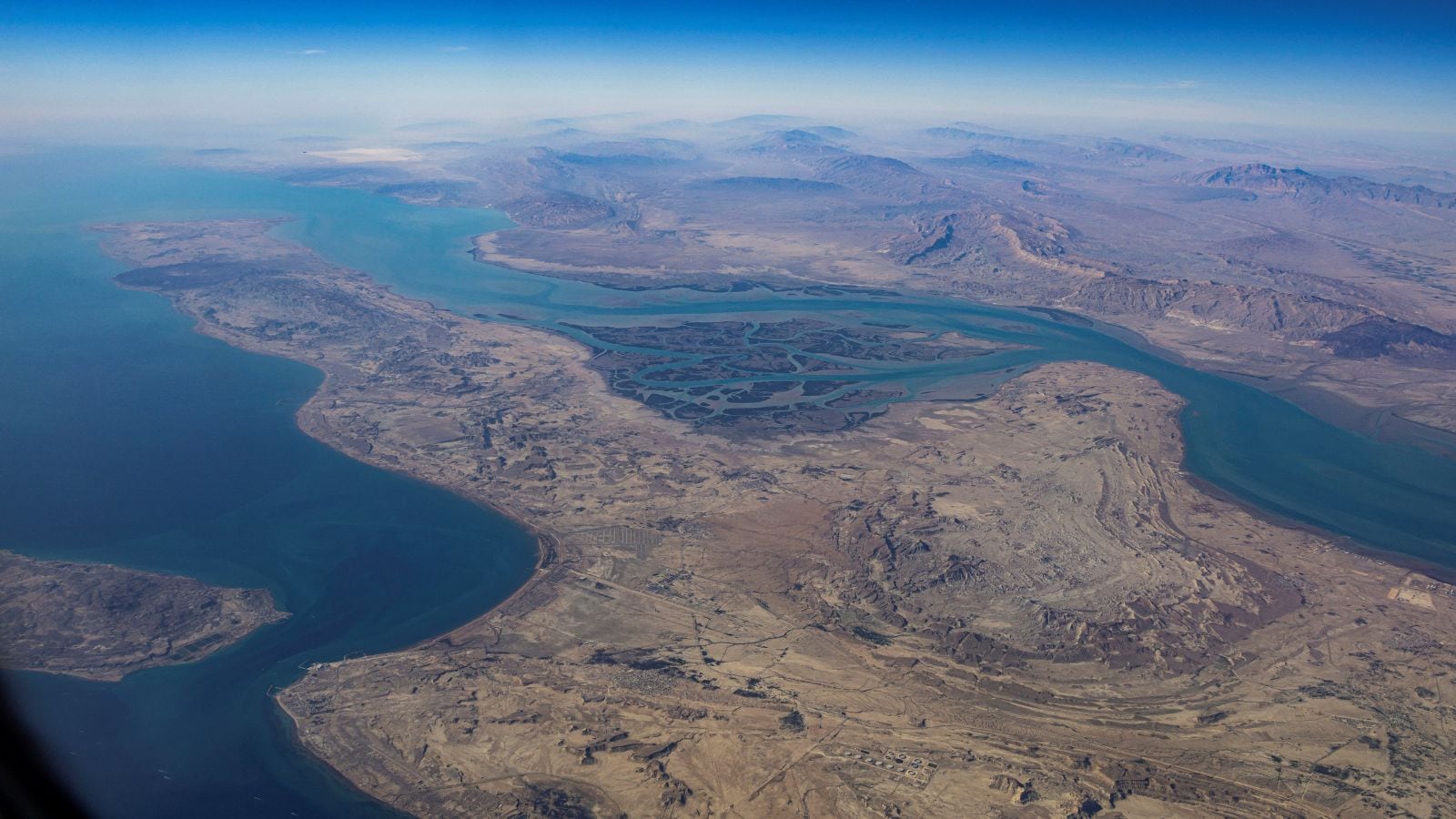
When Iran’s military announced that four oil tankers had been struck by explosions in the Strait of Hormuz, global energy markets didn't panic—they flat-out flinched. This narrow waterway isn't just a stretch of water on a map. It’s the jugular vein of the global economy, carrying a massive share of the world's petroleum. When commercial vessels start burning here, gas prices in Texas, Tokyo, and London move within hours.
The latest incidents involve conflicting narratives that define modern maritime warfare. According to the Islamic Revolutionary Guard Corps (IRGC) Navy, two supertankers carrying millions of barrels of crude ignored repeated radio warnings, switched off their tracking systems, and ventured into what Tehran has designated "unauthorized routes". Iranian state media claims these vessels hit naval mines. Meanwhile, independent maritime monitors like the United Kingdom Maritime Trade Operations (UKMTO) report ships being hit by unidentified projectiles, leaving crews scrambling to fight engine-room fires and abandon sinking hulls.
You won't get a straight story from either side. Tehran frames the blasts as lawful enforcement of restricted zones within its sovereign waters. Shippers and Western naval analysts view it as economic terrorism designed to choke off exports and squeeze global supply chains. The truth sits somewhere in the messy middle of an ongoing regional conflict that began earlier this year, where commercial shipping lanes have effectively turned into a high-stakes minefield.
Why the Strait of Hormuz Remains a Choke Point
Geography is brutal here. At its narrowest point, the Strait of Hormuz is only about 21 miles wide, and the inbound and outbound shipping lanes are barely two miles wide each. Tankers have very little room to maneuver. If you control the coastlines or seed the water with ordnance, you hold a choke point that can strangle international trade without firing a single missile at another country's mainland.
Before the conflict escalated, roughly a quarter of all seaborne global oil trade passed through this corridor. Today, traffic has plummeted as insurance companies refuse to underwrite voyages or demand astronomical premiums that make transit economically unviable. Shipowners face an impossible dilemma. Do they follow the recognized transit corridors recommended by Western navies, or do they heed Iranian warnings and risk running aground—literally or politically—in a war zone?
Insurance underwriters don't care about geopolitical posturing. They look at data. When multiple vessels are hit in a single week, risk models break. Crew members bear the human cost of this calculus, facing ballistic threats, drone strikes, and hidden mines just for doing their jobs on the open sea.
Navigating the Fallout for Energy Consumers
If you think a localized conflict in the Middle East doesn't affect your daily grocery bill or your commute, look closer. Refineries rely on a steady, predictable stream of crude. When supertankers carrying millions of barrels are disabled or forced to turn back, inventory numbers drop immediately.
Governments and industry experts talk endlessly about alternative pipelines and strategic reserves, but these measures only buy time. Pipelines like the UAE's Habshan-Fujairah route offer some relief by bypassing the strait entirely, but they cannot handle the sheer volume of oil that traditional tanker fleets move through the Persian Gulf.
The reality is that energy markets will remain jittery as long as maritime security in the region hangs by a thread. Every explosion in the eastern Strait of Hormuz sends a shockwave through futures exchanges.
Keep an eye on maritime tracking data rather than official state pronouncements if you want to understand what's actually happening on the water. When independent tracking shows commercial traffic avoiding the area altogether, expect fuel costs to follow an upward trajectory. The risk isn't theoretical anymore; it's anchored right in the middle of the world's most contested shipping lane.