Diplomacy rarely dies in a quiet room. Right now, it's crashing against the jagged realities of the Strait of Hormuz. Tehran just dismissed the latest counter-proposal from Washington as entirely unconvincing, and frankly, nobody paying attention should be surprised.
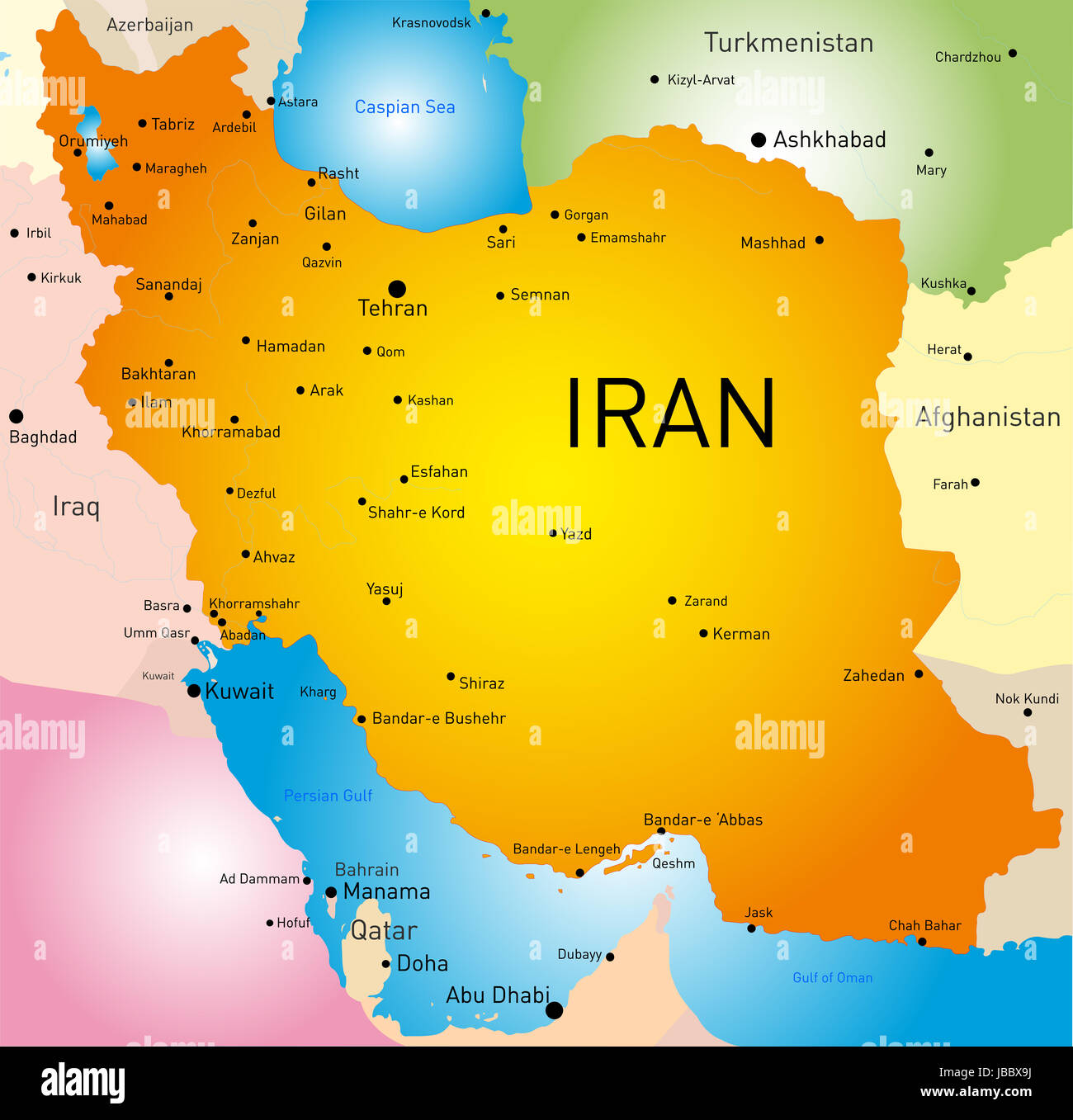
The friction centers on a simple mismatch. Iran floated a proposal to reopen the critical shipping lane, packaging it with terms meant to jumpstart broader nuclear negotiations. Washington sent back a reply that apparently fell way short of what Iranian officials expected. Instead of a diplomatic breakthrough, the response triggered a sharp military reminder. President Donald Trump confirmed that US forces struck an Iranian anti-aircraft facility, proving that guns are still doing the talking while negotiators spin their wheels in Qatar.
The Real Battle Over Hormuz
Let's look past the press releases. The shipping choke point isn't just a geographical feature; it's an economic pressure valve for the entire planet. When tankers stall, energy prices spike, and every household feels the pinch. Iran claims its framework to clear the passage could work in days if Washington accepts its core demands. Washington, meanwhile, wants compliance on its own terms, backed by military readiness and targeted air strikes.
Trump maintains that the broader conflict is financially crushing Tehran, arguing that severe economic strain leaves Iranian leadership with little leverage. But Tehran's recent moves tell a different story. Instead of backing down, military commanders are formalizing a maximum deterrence posture, setting up a dangerous loop where every diplomatic snub invites a kinetic reaction.
Why the Current Talks are Stalling
Mediators in Doha are working overtime, but they're trapped between two rigid stances. Tehran wants explicit guarantees and sanctions relief baked into any shipping agreement. Washington views those demands as overreaching, preferring incremental concessions while keeping economic pressure dialed up.
When you mix indirect messaging with active military operations like the recent strike on the anti-aircraft site, trust evaporates. You can't successfully negotiate open sea lanes while simultaneously blowing up defensive installations a few miles away. Both sides claim they want a deal, but their actions show they're terrified of looking weak first.
What Happens Next
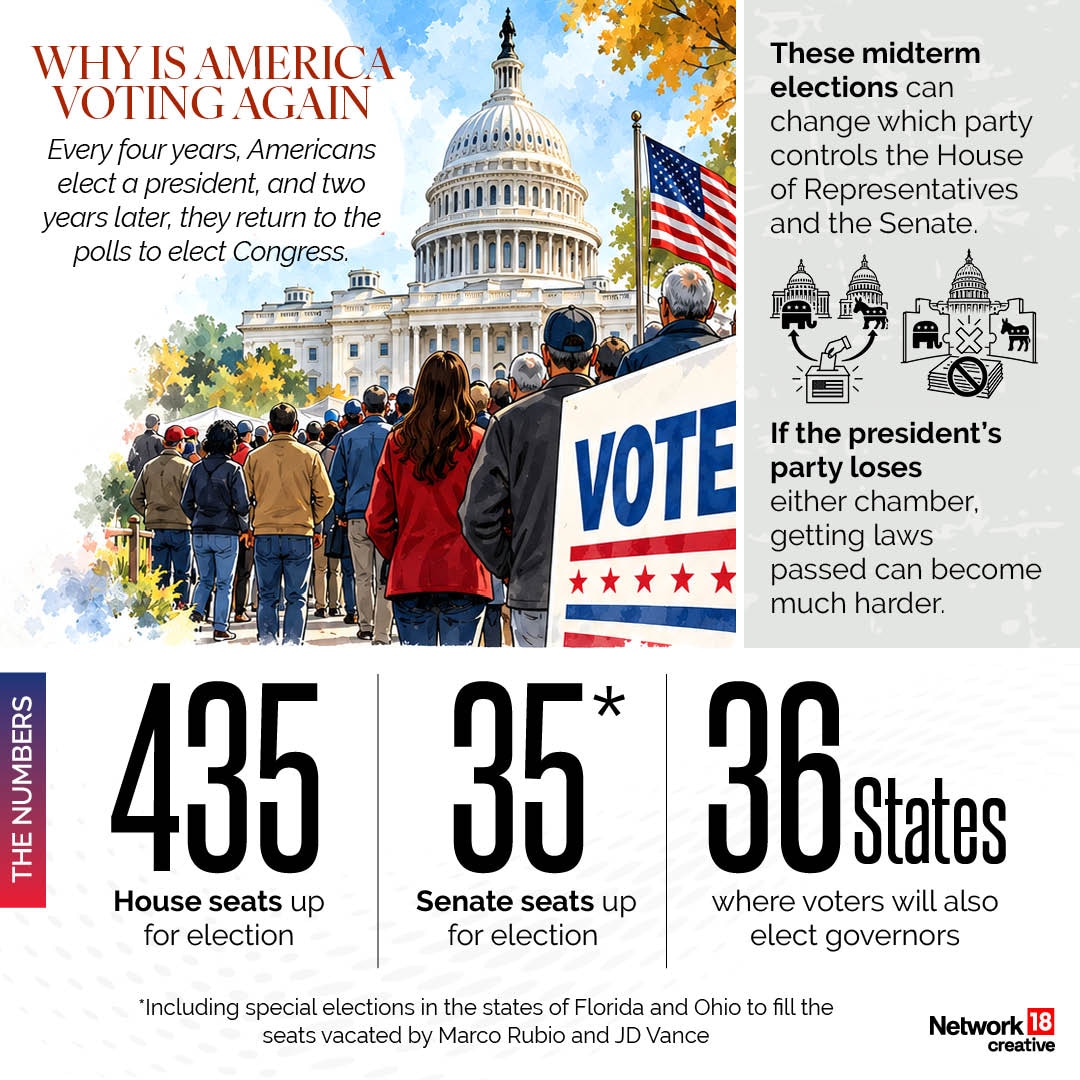
The standoff is entering a volatile phase. As domestic political pressures mount in the US following the midterms and regional infrastructure stays on high alert, the margin for error shrinks daily. If neither side shifts its baseline requirements for the Strait of Hormuz, expect more localized clashes, disrupted shipping routes, and a complete freeze on meaningful diplomatic progress.
The rhetoric sounds routine, but the underlying mechanics are pointing toward a deeper escalation. Keep an eye on the Qatari mediation channel; if Doha walks away, the last safety valve is gone.