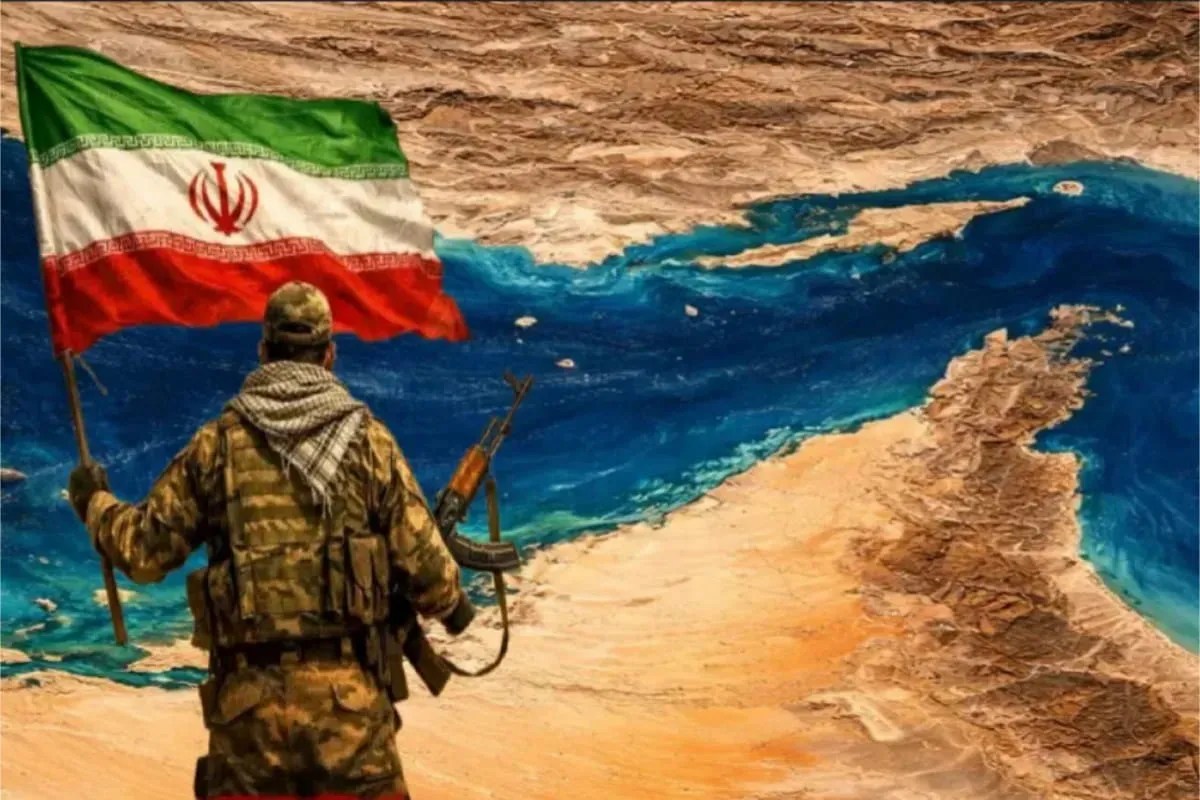
You can't talk about global energy security without running straight into a narrow, highly volatile strip of water in the Middle East. When the Islamic Revolutionary Guard Corps (IRGC) issues an ultimatum stating that the Strait of Hormuz will remain shut until Tehran’s core conditions are met, world markets don't just react—they panic.
If you are wondering why oil prices fluctuate wildly every time a diplomat boards a plane or a military official speaks up, you have to look at the choke point where roughly a fifth of the world's petroleum and liquefied natural gas passes daily. Tehran isn't just making casual threats. They are leveraging physical geography to push back against economic blockades and military pressure from the United States and its allies.
The Reality Behind the Closure
Let's look past the political posturing. The ongoing crisis in the Strait of Hormuz isn't a sudden accident; it's a calculated escalation. Following intense military flare-ups and naval standoffs, the IRGC has doubled down on its territorial claims over the passage.
Commercial tankers navigating the region face severe threats, from maritime mines to drone intercepts. Iranian leadership has made it clear that any vessel attempting to bypass their restrictions or operating on behalf of blacklisted nations will face direct consequences. Mediators trying to broker peace find themselves hitting a brick wall because Washington's traditional "carrot-and-stick" approach—offering minor sanctions relief while maintaining a naval blockade—is fundamentally rejected by Tehran.
What Iran's Conditions Actually Mean
Tehran’s stance centers on non-negotiable terms that include lifting the comprehensive US-led naval blockade on Iranian ports and granting concrete concessions regarding their economic and security sovereignty. Iranian officials have maintained that until these benchmarks are formally agreed upon by international mediators, international shipping lanes through the waterway stay restricted.
Western governments call these demands extortion. Iranian authorities call it self-defense against economic warfare. Meanwhile, shipping companies are left absorbing skyrocketing insurance premiums, rerouting cargo around Africa when possible, or abandoning vessels altogether after running afoul of hidden sea mines.
The Ripple Effect on Global Markets
Energy traders know that a closed Strait of Hormuz creates an immediate supply shock that no strategic petroleum reserve can permanently cushion. Even with alternative pipelines operating in parts of the Persian Gulf, the sheer volume of fuel moving through this corridor makes it irreplaceable.
When tanker traffic drops near zero, manufacturing hubs in Asia and energy importers in Europe feel the pinch almost instantly. Inflation ticks upward, freight costs surge, and industrial supply chains brace for long-term disruption. Diplomatic channels remain open only on paper, as back-and-forth letters between foreign delegations yield little ground.
Until major powers decide whether to escalate military postures or offer genuine diplomatic compromise, this vital waterway remains a high-stakes geopolitical hostage. Keep a close eye on insurance rates for commercial shipping and emergency OPEC meetings—those indicators will shift long before any official treaty is signed.