You can't open a storefront in western China right now without stepping straight into a geopolitical minefield. That is exactly what Starbucks just found out the hard way.
When the coffee giant cut the ribbon on its first two locations in Xinjiang's capital, Urumqi—one sitting squarely in the Grand Bazaar and the other at the international airport—executives probably thought they were just capturing fresh market share. Washington saw it completely differently. Almost immediately, US lawmakers slammed the expansion, demanding that the corporation pack up and leave.
If you've been watching how multinational companies navigate Beijing's demands versus Western human rights pressures, this collision was entirely predictable. But the speed and intensity of the backlash caught plenty of industry watchers off guard.
The Political Firestorm Hits the Boardroom
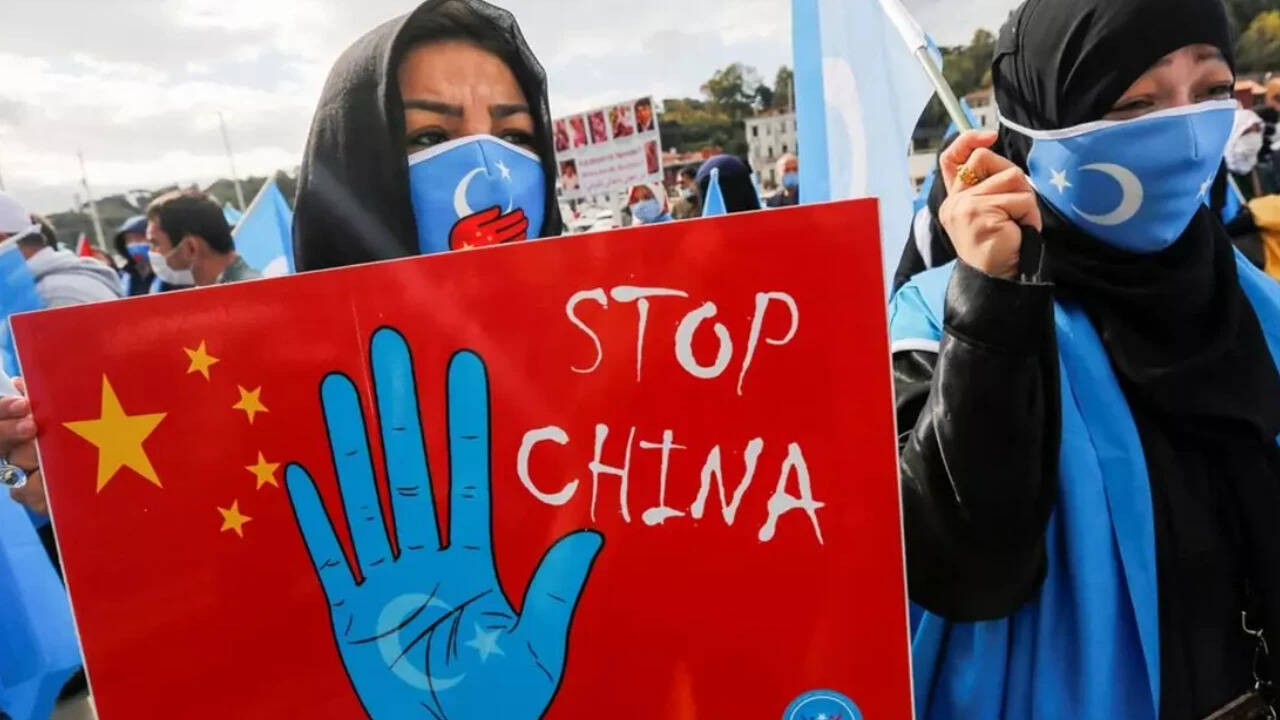
John Moolenaar, who chairs the House of Representatives' Select Committee on China, didn't mince words. He publicly called the move a morally bankrupt decision, arguing that an iconic American brand has no business setting up shop in a region where human rights groups and Western governments accuse Chinese authorities of systemic abuses against the Uyghur population.
Over a million Uyghurs have faced detention and severe cultural restrictions in recent years. While Beijing continuously rejects these accusations, framing its local policies as vital measures against terrorism and extremism, Western compliance laws have grown increasingly hostile to corporate activity in the area.
Starbucks chose to lean into its long-term growth strategy instead of backing down. Liu Wenjuan, who runs the coffee chain's operations in China, made it clear that the brand plans to keep investing in the territory. Their official social media channels pitched the new cafes as a cultural bridge, designed to blend local flavor with daily customer needs.
The Business Reality Behind the Expansion
You have to look at the ownership shift to understand why Starbucks is willing to absorb this kind of public relations damage. In April 2026, the company finalized a massive joint venture with Boyu Capital, handing over a 60 percent stake to the strategic investor. That partnership currently oversees roughly 8,000 stores across mainland China.
When you manage thousands of units in a fiercely competitive domestic market dominated by aggressive local rivals like Luckin Coffee, growth targets dictate expansion into every major urban center. Urumqi is a major economic hub in China's far west. To corporate strategists sitting in Shanghai, skipping Xinjiang entirely meant leaving money on the table.
Yet, details matter when you operate in politically sensitive zones. Photos released by the company showed branding written in both English and Chinese characters. Observers quickly noticed a glaring omission: no obvious signage appeared in the Uyghur language, which holds official recognition alongside Chinese in the autonomous region. That oversight only added fuel to the fire for critics tracking cultural preservation issues on the ground.
Navigating the Corporate Tightrope
Companies trying to straddle two economic superpowers face an impossible balancing act. If you pull out of contested regions to appease Western regulators and consumers, you risk severe retaliation, state media boycotts, and lost market access inside China. If you stay to protect your bottom line, you trigger congressional investigations, activist campaigns, and reputational damage at home.
Look at how other consumer brands have fumbled this exact dilemma over cotton, manufacturing, and retail footprints over the past five years. Very few manage to escape unscathed. Starbucks has built a massive part of its modern identity around social responsibility and ethical sourcing. That posture makes any misstep in regions facing intense scrutiny look intensely hypocritical to Western stakeholders.
The reality is that consumer giants can no longer treat local retail openings as simple real estate transactions. Every new lease signed in a contested territory carries an immediate political price tag.
Watch how retail heavyweights adjust their expansion playbooks over the next year. If congressional pressure mounts into actual legislative penalties or supply chain blockades, stepping back from peripheral markets might suddenly look cheaper than staying. For now, the cups are pouring in Urumqi, but the fallout in Washington is just getting started.