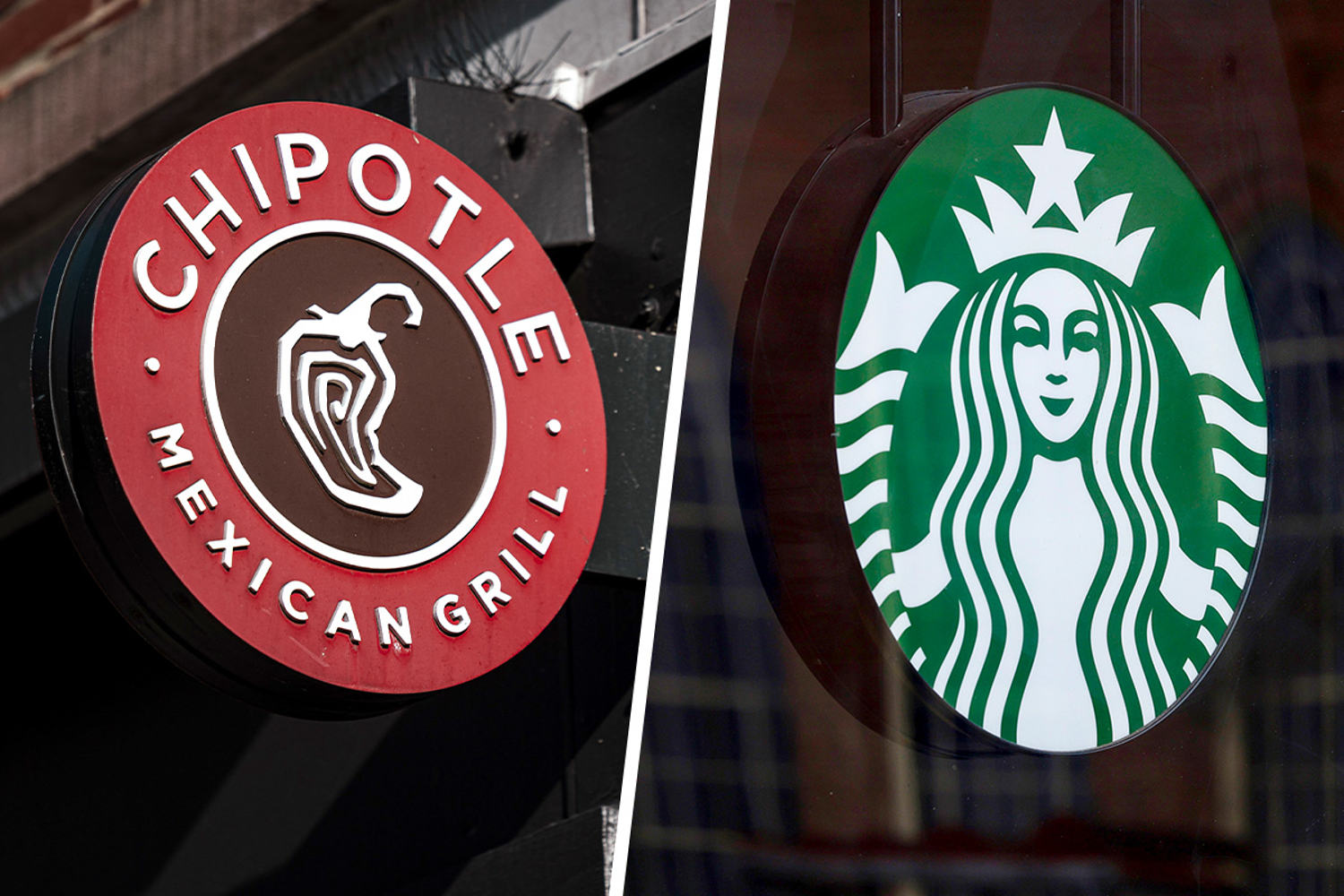
Wall Street loves a good fairy tale. Rumors flew last week that Starbucks was quietly preparing a massive takeover of Chipotle Mexican Grill, sending stock tickers swinging and retail investors into a frenzy. It made for a fun headline. It also made zero operational sense.
Starbucks quickly shut down the noise, confirming through company statements and CEO interviews that it is not buying Chipotle. The coffee giant is staying put.
If you looked past the initial market shock, the whole rumor was built on shaky logic. Let’s break down why this mega-deal never stood a chance and what both brands are actually focusing on right now.
The Origin of the Rumor
The speculation kicked off when a Financial Times report claimed Starbucks had consulted with advisers about a potential multi-billion-dollar buyout of Chipotle. Market watchers immediately latched onto the narrative for one obvious reason: Brian Niccol.
Niccol took over as Starbucks CEO after steering Chipotle through years of massive digital growth and menu evolution. The thought of him engineering a reunion by swallowing his old company whole was irresistible to financial journalists. Chipotle shares jumped roughly 6 percent on the news, while Starbucks stock dipped as investors worried about an expensive distraction.
Market reactions can be wildly emotional. People love connecting dots that were never meant to touch.
Why a Starbucks and Chipotle Deal Was Dead on Arrival
Merging two behemoths with a combined enterprise value well north of $40 billion sounds impressive on paper, but the day-to-day reality would have been an absolute operational nightmare.
Consider the core mechanics of both businesses:
- Operations: Starbucks relies heavily on rapid beverage customization, drive-thrus, and mobile order loops. Chipotle runs an assembly-line kitchen model centered on high-volume hot food prep and quick-serve assembly during grueling midday rushes.
- Footprint: Starbucks operates roughly 41,000 stores globally, with a massive international presence. Chipotle sits at around 4,200 locations, heavily concentrated in North America.
Trying to integrate these entirely different supply chains, labor models, and store layouts would have completely derailed any executive team. Brian Niccol wasn't hired to orchestrate a distracting corporate conglomerate. He was brought in to fix coffee.
The Real Priority Is the Back to Starbucks Strategy
Starbucks has its hands full without buying burrito chains. The company is currently deep into its "Back to Starbucks" turnaround plan.
The strategy focuses on returning to what made the brand successful in the first place: speeding up service times, simplifying overly complex menu items, fixing store staffing levels, and trimming down wait times for mobile orders. Niccol has committed significant capital—including hundreds of millions in labor investments—to stabilize store-level operations.
When a company is actively trying to fix its core product and improve profit margins, acquiring an entirely different restaurant category is a distraction it cannot afford. Wall Street analysts who called the merger a low-probability outcome were entirely right.
What Happens Next for Both Brands
With the rumors officially put to bed, both companies are returning to their respective corners.
Chipotle faces its own set of challenges, including managing rising ingredient and labor costs while trying to recapture foot traffic that cooled down after Niccol's departure. The stock price has dropped significantly from its prior peaks, leaving the company to rely on its own standalone playbook to win back consumers.
Starbucks will report its fourth-quarter results and fiscal guidance soon, where investors will look for concrete proof that the turnaround strategy is working.
Ignore the noise. Mega-deals make for great headlines, but disciplined execution wins every time.