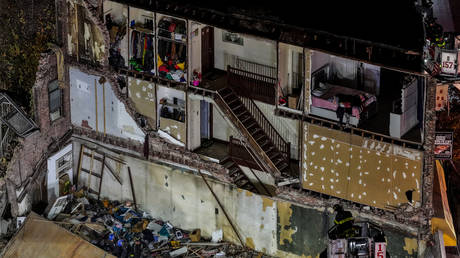
Spain's proud high-speed rail network is facing intense scrutiny once again after a catastrophic rear-end train collision in central Spain killed at least 64 people and injured more than 80 others.
The tragedy unfolded on a Wednesday morning near the town of Urda in the Toledo province. A state-operated Renfe AVE high-speed train traveling from Madrid to Seville slammed directly into the rear of a stationary train operated by private rail company Iryo on the exact same route. The violent impact caused multiple carriages to derail, with some tumbling off an elevated embankment as emergency crews rushed to the scene. Meanwhile, you can explore related developments here: Why A Us China Grand Bargain Changes Everything For India.
With the death toll climbing and rescue operations ongoing, this disaster marks the second major high-speed rail catastrophe to strike Spain in 2026. Coming less than ten months after a deadly derailment and collision in southern Spain killed 46 people near Adamuz, public confidence in one of Europe's most advanced rail infrastructures is cracking.
What Went Wrong on the Madrid to Seville Line
Railway infrastructure operator Adif confirmed that the incident occurred shortly before 9:00 a.m. local time on the country's oldest high-speed corridor—a flagship route that first opened in 1992 for the Seville Universal Exposition. To see the complete picture, check out the excellent analysis by Wikipedia.
Preliminary investigations by the Ministry of Transport indicate that the Renfe train struck the back of the Iryo service, which had come to a halt on the tracks. Passengers described hearing a deafening roar that lasted for several terrifying seconds before the violent shudder of the derailment threw people from their seats.
Wreckage was scattered across the slopes near Urda. Local authorities in nearby towns scrambled to convert municipal sports halls into triage centers and temporary morgues while helicopters hovered above the wreckage to hoist the critically injured to regional hospitals.
Prime Minister Pedro Sánchez canceled official engagements to monitor the crisis, while transport officials faced immediate questions about why a stationary train was left vulnerable on a busy high-speed corridor.
A Repeat of Systemic Vulnerabilities
The disaster has reignited fierce debates over safety protocols, rail maintenance, and the pressures of running a liberalized high-speed rail market where multiple private and state operators share tracks.
Back in January 2026, a similar horror unfolded near Córdoba when a train derailed and collided with an oncoming service, claiming dozens of lives and exposing long-standing vulnerabilities in track maintenance and signaling. Following that crash, Spanish rail unions called for urgent strikes, warning that aging infrastructure and aggressive scheduling were pushing drivers and network controllers to the brink.
Now, with a second mass-casualty incident in under a year, experts and passenger advocates are demanding independent safety audits across the entire national high-speed grid. Spain built its reputation on engineering fast, reliable connections across the Iberian Peninsula, but recurring fatal collisions threaten to dismantle that legacy.
The Immediate Aftermath and Next Steps
Rail traffic between Madrid and Andalusia remains completely suspended as investigators comb the tracks for black boxes, signaling logs, and maintenance records.
Emergency services are continuing recovery operations at the Toledo crash site, and hospitals across the region have put out urgent calls for blood donations to treat the dozens of survivors currently fighting for their lives. Accountability will take weeks to sort out through official inquiries, but the political and infrastructural fallout for Spain's rail network has already begun.