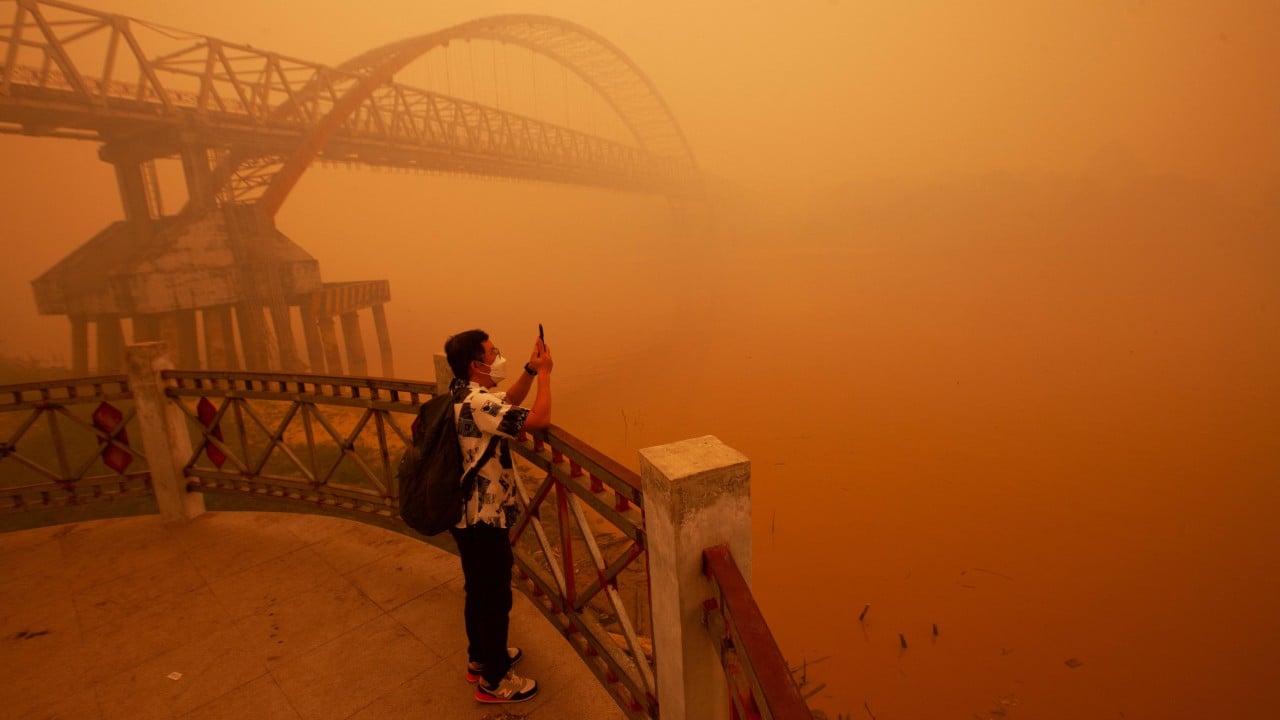
Headlines across Asia are moving faster than usual this week. You look at one corner of the map and citizens are actively pleading with neighbouring countries to sue Jakarta over choking forest fires. Look somewhere else, and everyday shoppers are buying everything from smartphones to bags of cement off budget apps like Pinduoduo, transforming domestic retail dynamics overnight.
Let's talk about what's actually happening on the ground across the region. These seven major shifts tell a much bigger story about trade, anxiety, and environmental friction in Asia right now.
When Citizens Ask Neighbours to Sue Their Own Government
It takes a lot for citizens to publicly invite foreign litigation against their home country. Yet, that is precisely what is happening inside Indonesia. As agricultural and forest fires send thick, toxic smog across borders into Singapore and Malaysia, social media feeds have filled with local voices telling affected neighbours to take Jakarta to court.
People are exhausted. Annual cross-border smoke pollution ruins outdoor commerce, grounds flights, and spikes respiratory clinic visits. When local accountability stalls, ordinary people start looking outward for pressure valves. Singapore's events economy, fresh off bracing for the Formula One Grand Prix weekend under cloudy, hazardous skies, knows this financial pain intimately. The threat is not just ecological; it hits major tourism revenue and outdoor entertainment scheduling right where it hurts.
The Mekong Drug Pipeline Keeps Finding New Wings
Drug enforcement agencies thought they had seen it all until a private jet landed at Luang Prabang International Airport in Laos. Police didn't find high-rolling tourists stepping out onto the tarmac. Instead, they found suitcases packed with 512 kilograms of crystal methamphetamine.
The flight originated in Malaysia and was allegedly bound for the Philippines. This high-profile bust pulls back the curtain on how transnational cartels exploit private aviation loopholes. Moving half a tonne of synthetic drugs via chartered aircraft shows extreme operational audacity. The Mekong region remains a relentless drug production laboratory, and traditional border controls are struggling to keep up with agile smuggling rings using private transport.
Bali Desperately Needs Gas
Tourists heading to Bali for paradise are finding unexpected frustration at local petrol stations. Massive queues have paralyzed traffic in Denpasar and surrounding areas due to a sudden, severe fuel crunch. Motorists sit in the tropical heat for hours just to fill up their tanks.
When a resort island dependent on smooth mobility experiences a severe petroleum bottleneck, the ripple effects hit local delivery drivers, tour operators, and holidaymakers alike. Authorities are scrambling to manage supply lines, but the incident highlights how fragile island logistics can be when distribution networks stutter.
Malaysia Falls Head over Heels for Deep Discounts
You cannot scroll through Malaysian social media right now without running into someone showing off a ridiculous bargain. Ever since Pinduoduo expanded its aggressive bargain-hunting app presence into the country late last year, local consumers have gone wild.
We aren't just talking about cheap phone cases or novelty socks. People are posting unboxings for sofas, high-end smartphones, bulk rolls of toilet paper, and industrial bags of cement. Ultra-low-cost Chinese e-commerce is rewriting how everyday households buy domestic goods. Traditional local retailers are sweating, wondering how they can possibly compete with prices that make local wholesale look expensive. But shoppers love the savings, creating a massive retail disruption that traditional storefronts are struggling to counter.
Younger Japanese Fear Washington More Than Beijing
Geopolitical anxiety is shifting in unexpected ways. A recent survey out of Japan reveals a striking generational divide: younger citizens now view the United States under Donald Trump as a greater threat to world peace than regional rival China.
For decades, Japanese security policy focused heavily on countering Beijing's maritime expansion. Now, unpredictable shifts in Washington's foreign policy, trade demands, and security guarantees are making younger demographics deeply uneasy about American reliability. It is a quiet psychological pivot that could reshape Tokyo's diplomatic posture for the next decade.
Manila Keeps the Hotline Closed
The Philippine military refuses to blink. Despite warnings from Beijing that cutting direct communication channels between their respective militaries invites dangerous miscalculations in the South China Sea, Manila is standing firm.
There is no appetite to restore these hotlines right now. Philippine defense officials argue that open phone lines did little to prevent aggressive coast guard maneuvers or maritime blockades in disputed waters. By keeping the communication channels severed, Manila is signaling that talking for the sake of talking accomplishes nothing when operational friction on the water remains completely unchanged.
What These Seven Stories Tell Us About Asia Today
None of these events happen in a vacuum. From environmental negligence in Indonesian forests to high-altitude drug smuggling in Laos, fuel crunches in Bali, and bargain apps reshaping Malaysian spending habits, Asia is undergoing rapid, sometimes painful adaptation.
Governments are learning that traditional controls—whether over trade, borders, or diplomatic hotlines—are losing effectiveness against fast-moving transnational challenges. If you are watching the region, keep your eyes on how consumer habits and supply chain pressures collide over the coming months. The old rules simply don't apply anymore.