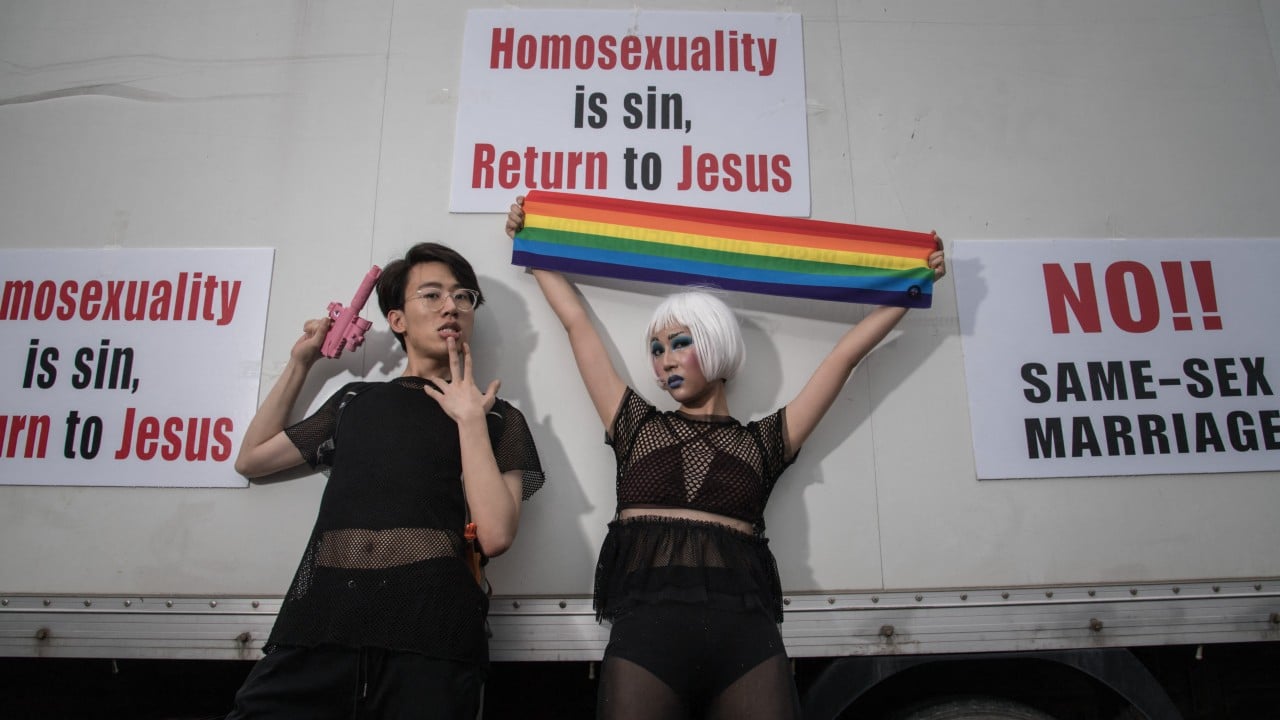
A government-backed youth counseling manual in South Korea recently grouped homosexuality right alongside theft, drug abuse, and sexual violence. Read that again. An official publication meant to guide counselors supporting vulnerable teenagers decided that being gay is practically a criminal offense.
Predictably, the backlash was swift. Officials scrambled to issue apologies and promised to scrub the offensive text. But an apology doesn't fix the underlying mindset that allowed this text to be written, published, and distributed in the first place. It exposes a deep, persistent institutional blind spot regarding LGBTQ youth in the country.
The Reality Behind the Hasty Climbdown
The manual came from the Korea Youth Counseling & Welfare Institute, an organization operating under government oversight. Inside its pages, homosexuality was slotted directly into a category meant for delinquency-related problems.
When civil rights groups and advocates sounded the alarm, the state machinery moved quickly to contain the PR disaster. They expressed regret, blamed administrative oversight, and promised revisions. Yet, these quick fixes miss the larger picture. Bureaucratic hand-waving treats the symptom while ignoring the systemic hostility queer teenagers face every day in South Korean schools and homes.
If an official body tasked with protecting youth views homosexuality as a behavioral defect, you can imagine what happens on the ground. Bullied teenagers don't just face peer pressure; they face institutional gaslighting.
Why This Keeps Happening in South Korea
South Korea presents a fascinating contradiction. On global stages, it projects an ultra-modern, tech-forward, and culturally influential image. K-pop stars and cinematic blockbusters win worldwide acclaim. But socially, conservative religious groups wield enormous political influence.
Politicians routinely pander to conservative voting blocs by dragging their feet on comprehensive anti-discrimination legislation. Same-sex marriage remains unrecognized, and legal protections are virtually non-existent. When institutions view basic human identity as a lifestyle choice or a social delinquency, it creates an environment of fear.
Teens navigating their identity are forced into silence. Instead of finding safe, affirmative spaces in state-sponsored counseling centers, they find themselves categorized alongside criminals. That does structural damage to young minds.
The Cost of Institutional Erasure
Mental health statistics for queer youth in societies with high social stigma are grim. When official manuals frame your very existence as a delinquency problem, self-acceptance becomes nearly impossible.
Counselors are supposed to be lifelines. For a gay or lesbian teenager reaching out for help, stumbling upon a manual that pathologizes them can be devastating. It tells them they are broken. It tells them they need fixing.
South Korea's rapid apology is nice, but it's the bare minimum. Real change requires purging institutional homophobia from every level of public service, education, and healthcare. Until lawmakers stop treating basic human rights as a political bargaining chip, apologies will remain hollow PR exercises.
True progress won't arrive when the government deletes a paragraph from a handbook. It arrives when queer teenagers can walk into any school or counseling center in the country and feel safe from day one.