When confidential passport data for a sitting head of state sits exposed on a public platform for five straight months, you are looking at more than a simple clerical error. You are looking at an institutional breakdown that leaves national security bare.
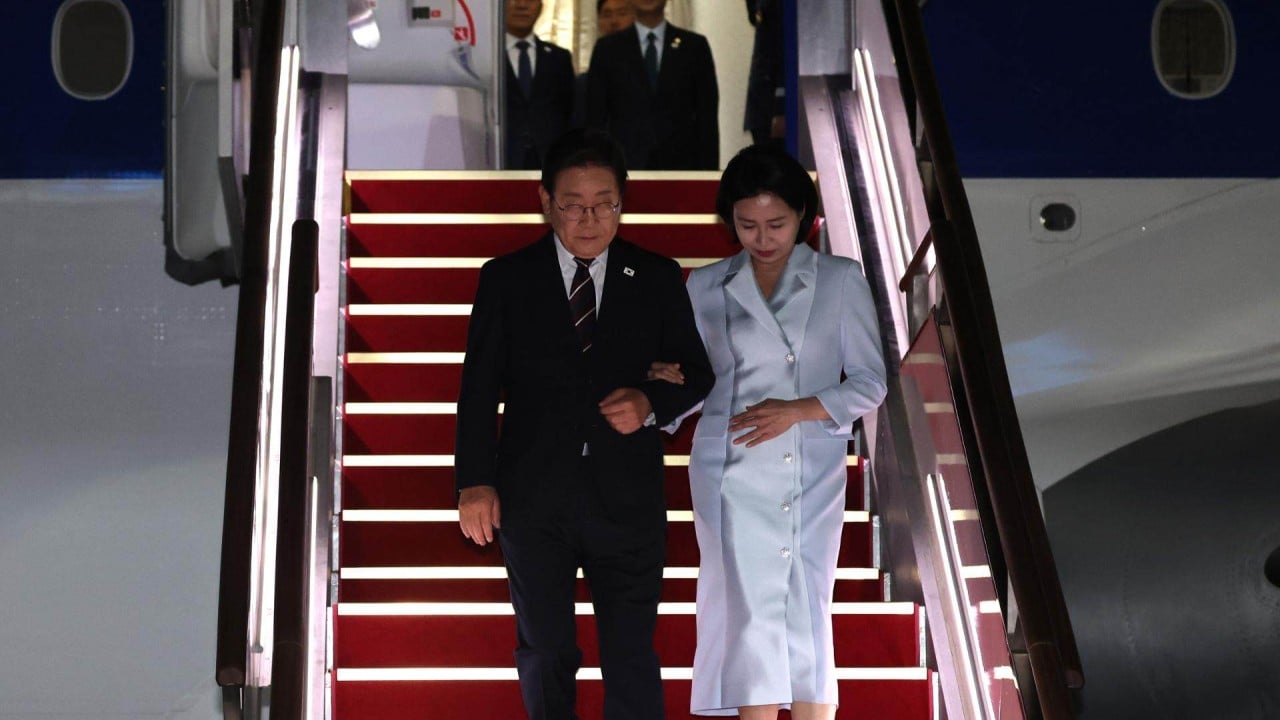
South Korea is now forced into an emergency passport reissue for President Lee Jae-myung, First Lady Kim Hea Kyung, and 166 other members of a presidential delegation. This mess started quietly back on June 2, when an Excel spreadsheet containing sensitive flight passenger information landed on VirusTotal, a paid malware-scanning platform. It stayed there, entirely visible, until public broadcaster KBS flagged it and blew the lid off the cover-up.
If you think this is just a tech glitch, you are missing the bigger picture. This breach exposes deep vulnerabilities in how governments handle baseline data hygiene.
The Anatomy Of A Government Data Blunder
Let's look at the facts. The leaked file contained the passport numbers, birth dates, official positions, and organizational affiliations of 168 individuals. This wasn't just about President Lee and his wife. It included elite security detail officers, medical personnel, key national security advisers like Wi Sung-lac, and even journalists assigned to cover the presidential trip to Europe.
The Ministry of Foreign Affairs rushed to clarify one specific detail during their briefings: this was an internal leak, not an external cyberattack.
That distinction actually makes things worse.
An outside hack implies sophistication, foreign state-sponsored espionage, or zero-day exploits. An internal leak means someone inside the administrative apparatus took a file containing high-level state secrets, treated it like casual homework, and uploaded it to a malware-scanning repository without a second thought. Carelessness is far more dangerous than malice because you can build firewalls against hackers, but you cannot easily patch human incompetence.
Why Five Months Of Exposure Changes Everything
Data doesn't sleep. For five months, the identities and precise travel credentials of South Korea's inner circle sat accessible on a paid security-related website.
Opposition politicians, led by the People Power Party, rightly pointed out the severity of the crisis. Leaving presidential credentials out in the open is equivalent to leaving the front door wide open in a bad neighborhood. In the world of international intelligence, passport details of close protection officers and national security architects are gold mines. Foreign intelligence agencies or hostile actors could easily cross-reference these identities, track travel patterns, or analyze staff rotations.
When you compromise the safety infrastructure surrounding a nation's leadership, you trigger a chain reaction. Passports must be pulled, numbers must be changed, security clearances must be audited, and trust takes a massive hit.
The Push For A Unified Cybersecurity Tsar
President Lee didn't mince words after the scandal broke. During a cabinet meeting, he slammed existing government security structures that rely purely on after-the-fact inspections.
He called for the creation of a powerful, centralized cybersecurity body. Right now, South Korea's digital defense functions are scattered across various disconnected agencies, creating blind spots where human error thrives. Lee wants a cross-sector task force that bridges both public and private entities, operating under a single oversight authority.
It is a classic reactive measure. Governments rarely fix their plumbing until the basement is already flooded.
What Organizations Must Learn From This Crisis
You don't have to run a country to fall into this trap. Data leaks of this scale usually happen because of three recurring workplace failures:
- Over-permissioning: Too many mid-level staffers have raw access to master files they have no business handling.
- Convenience over protocol: Uploading sensitive logs to third-party verification tools or cloud folders just to check a file format.
- Zero auditing: No automated tracking to see who downloaded, exported, or transferred sensitive documents.
South Korea is spending millions in administrative capital and public trust to reissue 168 passports because someone didn't follow basic data hygiene. Tighten your access controls, audit your data pipelines, and assume that if a file can be misplaced, someone will eventually misplace it.