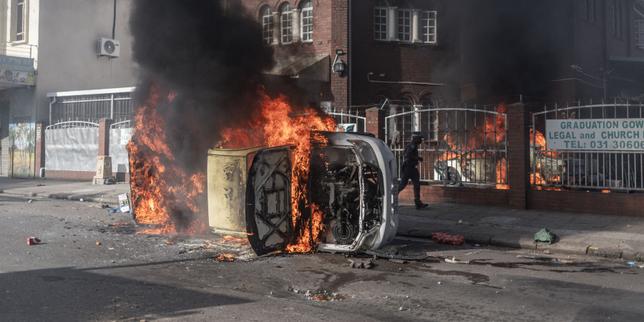
Streets in Johannesburg’s Soweto township and parts of Durban turned into battle zones once again as anti-migrant demonstrations flared up into intense arson and looting. Vehicles were torched, shops owned by foreign nationals were ransacked, and the fragile surface peace in South Africa fractured completely.
If you think this is just a random flare-up, you're missing the broader picture. This hostility runs deep. It feeds on systemic economic distress and a narrative that blames outsiders for deep-seated domestic failures.
The Economic Roots of the Crisis
South Africa’s unemployment rate sits stubbornly above 30 percent. For millions of young South Africans, the promise of the post-apartheid rainbow nation remains an empty phrase. When you can't find a job, can't afford basic groceries, and watch public infrastructure crumble, anger needs a target.
Anti-migrant groups have neatly provided one. They point the finger at undocumented workers from Zimbabwe, Mozambique, Malawi, and Nigeria, accusing them of stealing local jobs and draining public healthcare systems.
Protesters marched under aggressive ultimatums, demanding that foreign nationals pack up and leave. While courts and civil rights groups condemn the xenophobia, the rhetoric resonates on the ground. People are desperate. Desperate people buy into simple answers for complex structural failures.
Disinformation and the Digital Fuel
The latest surge of violence isn't just organic street anger. Authorities have pointed out that rampant digital disinformation plays a massive role in accelerating the chaos. Unverified claims, manipulated videos, and inflammatory voice notes spread across messaging apps within minutes.
When a rumor claims foreign-owned businesses are operating illegal syndicates or taking over local housing, mobs form before police can even mobilize. Social media algorithms reward outrage. In South Africa right now, that digital outrage translates directly into burning tires and broken glass.
What the Government Gets Wrong
The official response from Pretoria has largely relied on temporary policing and appeals for calm. That playbook fails every single time.
You cannot police away a crisis born from systemic poverty and administrative failure at the borders. Immigration enforcement is notoriously backlogged and corruptible, creating a massive underground economy where undocumented migrants are deeply exploited for cheap labor by local businesses.
Crackdowns happen only when the streets erupt. Once the smoke clears, the government goes back to sleep, ignoring the underlying economic engine that drives locals and migrants into direct competition for survival.
Where This Leaves the Rainbow Nation
South Africa has witnessed horrific waves of xenophobic violence before, notably in 2008 and 2015. Each time, leaders promise structural reforms. Each time, those promises fade until the next riot breaks out.
Foreign nationals living in townships now live with permanent suitcases packed by the door. Local business owners watch their livelihoods go up in smoke over grievances meant for politicians, not street vendors.
Stop viewing these riots as isolated criminal acts. They are symptoms of a nation tearing itself apart at the seams because the economic pie isn't growing fast enough for everyone at the table.
Check your local security advisories if you travel through Gauteng or KwaZulu-Natal, and look past the surface headlines to understand the true cost of unaddressed economic despair.