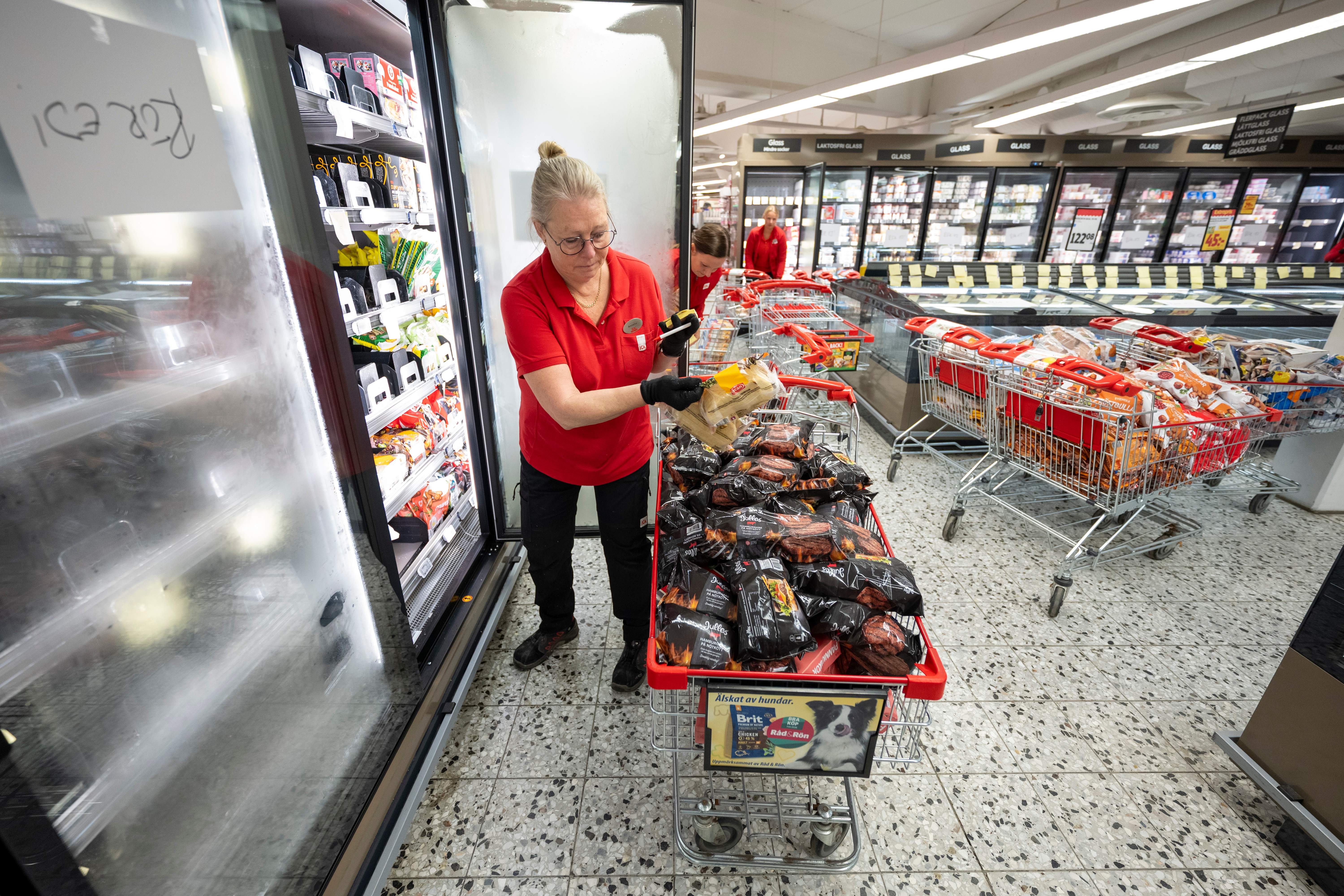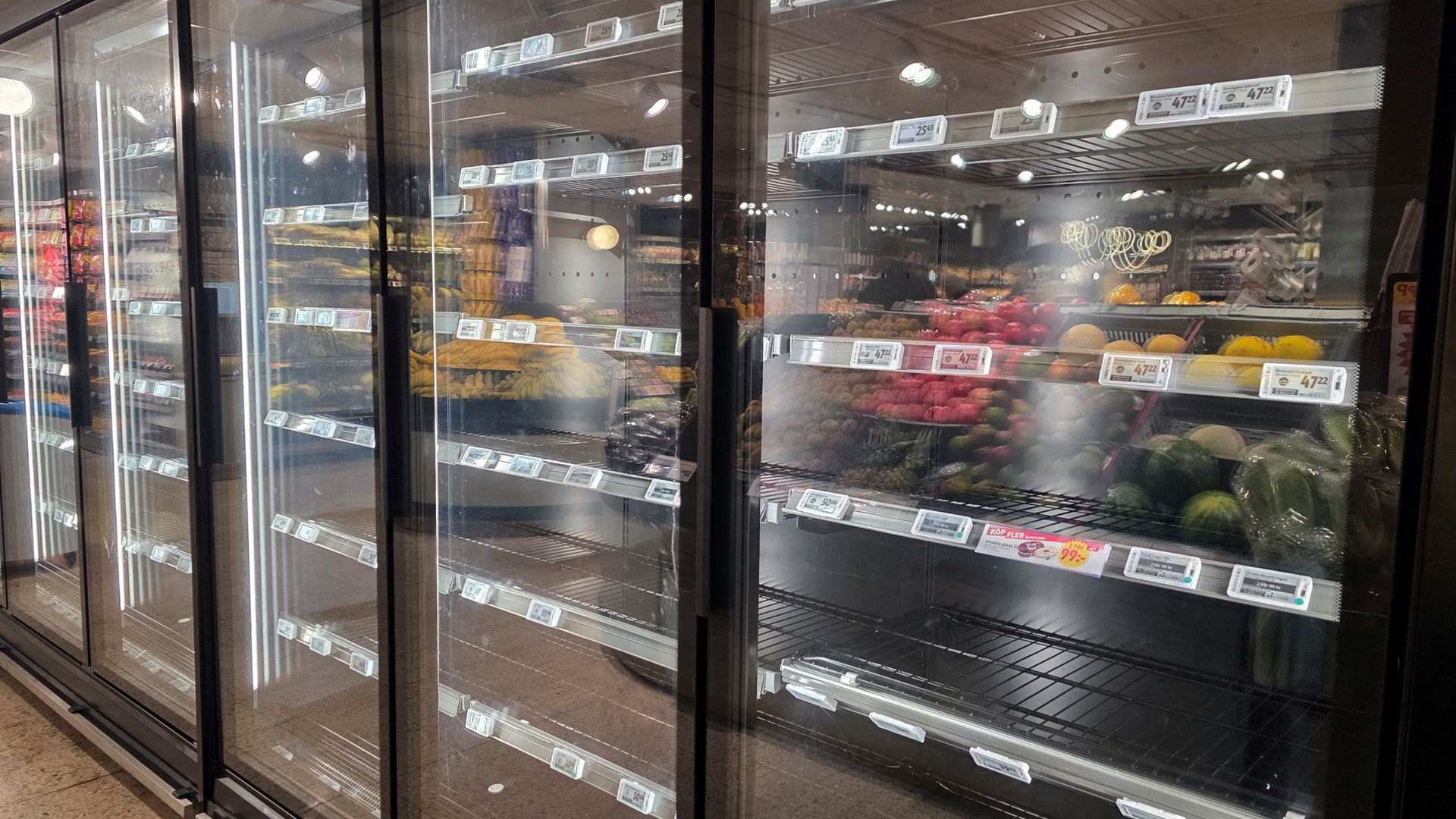
When bad actors decide to weaponize your groceries, you stop viewing smart appliances as a harmless convenience. Hackers didn't just break into a few databases during the recent wave of attacks. They went straight for the cooling units. Across Ireland, Sweden, Belgium, Luxembourg, Estonia, and parts of France, commercial refrigerators suddenly spiked to a blistering 50 degrees Celsius. Tons of fresh food spoiled overnight, minor fires broke out, and store owners walked into literal ovens instead of cold storage.
If you thought internet-connected gadgets were only a risk for annoying spam or stolen passwords, look closer. The physical world is plugged in, and most of it is poorly defended.
How Connected Fridges Became Open Targets
Industrial refrigeration units used to be isolated. They operated on closed, localized wiring loops that required physical access to alter. Over the past decade, operational technology merged with the internet of things to save money and enable remote diagnostics. Facilities managers wanted to monitor compressor health from their smartphones.
That convenience created an attack surface.
Investigators looking into the European supermarket breaches found a familiar pattern of security neglect. Many of the targeted systems ran on legacy software that had long lost manufacturer support. Others relied entirely on default factory passwords that nobody bothered to change during installation. Attackers scanned for exposed control panels, walked right through wide-open digital doors, and disabled error alerts. Staff didn't realize the cooling systems were failing until the damage was already done.
This isn't an isolated glitch. Similar incidents hit military commissaries in the United States, where commercial freezers were forced into unauthorized defrost cycles. When hackers can remotely manipulate temperature settings on an industrial scale, the food supply chain becomes a primary target for disruption.
The Real Cost of Neglecting Operational Security
Most businesses treat physical infrastructure security as an afterthought once the shiny new equipment is bolted to the floor. Cybersecurity budgets usually focus on protecting customer databases, emails, and financial records. Nobody thinks about the firmware on a freezer compressor until it melts an entire warehouse of inventory.
The financial fallout goes far beyond discarded milk and ruined meat. Retailers face millions in spoiled stock, emergency equipment repairs, and potential liability issues. Worse, these attacks expose deep vulnerabilities in critical supply chains. If malicious actors can manipulate commercial refrigeration, what stops them from targeting pharmaceutical storage, water treatment plants, or hospital cooling systems next?
Security researchers have warned for years that industrial internet-of-things devices are ticking time bombs. Manufacturers rush cheap smart features to market without baking in rigorous security protocols. Buyers prioritize upfront cost over long-term software maintenance.
What Needs to Change Right Now
Fixing this mess requires a complete shift in how organizations handle connected hardware. You can't just plug enterprise equipment into the internet and hope for the best.
If you manage commercial facilities or rely on connected hardware, stop ignoring basic hygiene:
- Isolate Operational Networks: Keep your environmental controls on segmented internal networks. There is zero reason for a freezer controller to have a direct, unshielded route to the public internet.
- Audit Default Credentials: Change every factory-default password immediately. If a device ships with admin/admin as the login, treat it as a hostile object until secured.
- Enforce Patch Management: Establish a strict schedule for updating firmware. If a manufacturer drops support for a piece of hardware, budget to replace it before it becomes an open vulnerability.
- Set Up Independent Monitoring: Don't rely solely on the smart appliance's internal software to tell you if it's working. Use external, offline temperature sensors with independent alarms.
The era of trusting smart infrastructure just because it looks modern is over. Hackers have proven they can turn everyday appliances into weapons of mass disruption. Secure your hardware before someone else secures it for you.
Why Supermarket Refrigerators Were Targeted in Massive Cyberattacks
This video breaks down the specific technical vulnerabilities and geopolitical context behind the recent wave of cyberattacks targeting commercial refrigeration systems across Europe.