Small towns used to beg for big corporate projects. Now, a single zoning notice for a massive server farm can pack a town hall to standing room only.
People aren't just worried about humming cooling fans or lost farmland anymore. They're asking who pays when a single AI campus demands as much power as a mid-sized city, what happens to local water supplies during dry spells, and why tax breaks sometimes look sweeter on paper than they feel on a household electric bill.
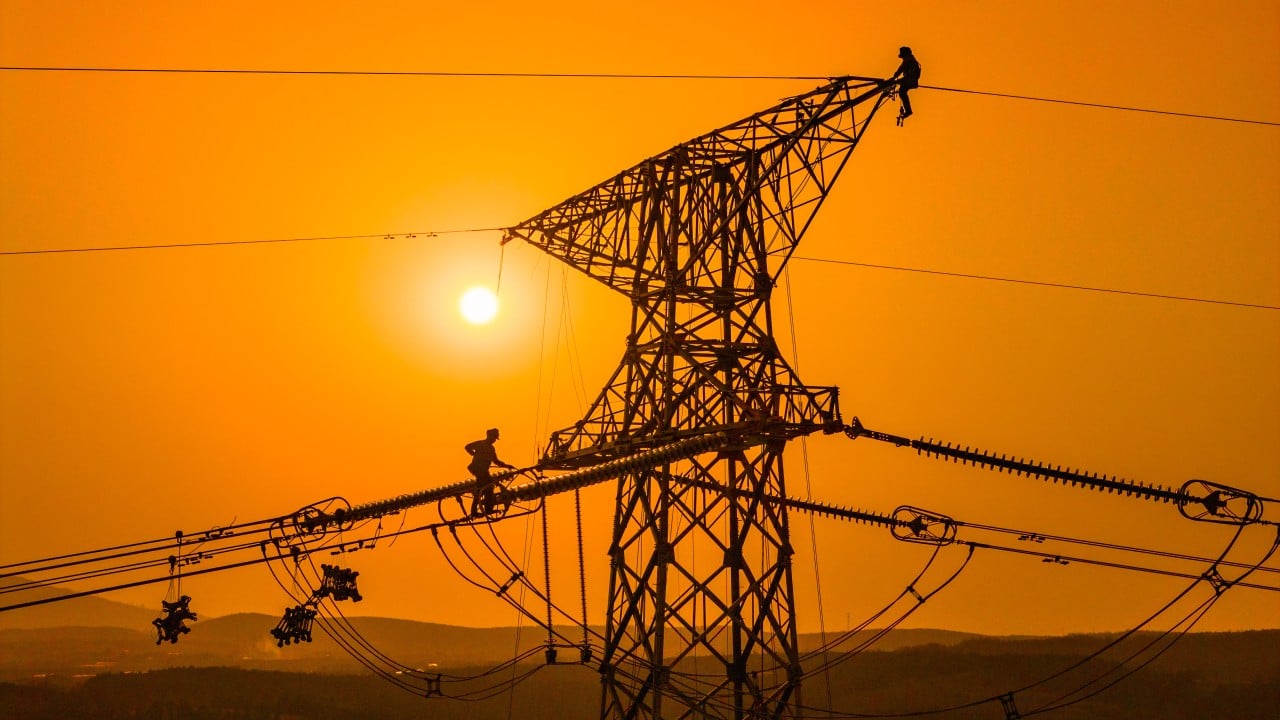
If you live in a quiet township or rural county, the pushback makes total sense. A giant warehouse filled with high-density racks doesn't bring thousands of permanent jobs like an old auto plant did. Instead, it brings heavy substations, high-voltage lines, loud backup generators, and a whole lot of questions about fairness.
Why Data Center Opposition Keeps Spreading Across Local Communities
For years, local officials treated data centers like free money. Yourezoned an industrial parcel, signed off on a few incentives, and collected property tax revenue with minimal traffic compared to a distribution hub.
That playbook broke down fast once artificial intelligence pushed facility sizes into the hundreds of megawatts. Research tracked by Data Center Watch shows tens of billions of dollars in data center proposals blocked or delayed across the U.S. as residents, grassroots groups, and local boards hit pause. Polling from Gallup has also pointed to widespread public skepticism when facilities are proposed near people's homes.
Honestly, the shift caught a lot of developers off guard. They assumed towns desperate for tax base growth would roll out the welcome mat. Instead, residents showed up with spreadsheets, legal questions, and moratoriums.
The Jobs Promise Versus the Real Footprint
Here's the mistake I see local leaders make all the time: confusing construction headcount with long-term community benefit. Building a hyperscale campus takes plenty of electricians, crane operators, and concrete crews for a year or two. Once the doors open and the servers hum, permanent staffing is surprisingly lean.
Meanwhile, the physical footprint keeps growing. A single large campus can swallow hundreds or even thousands of acres, run continuous cooling systems, and sit behind NDAs so tight that neighbors don't learn the true power draw or water plan until the public hearing is already underway.
Secrecy breeds distrust faster than almost anything else. When residents feel like a deal got negotiated behind closed doors before anyone asked their opinion, "no" becomes the default answer.
The Power Grid and Utility Bill Fight Nobody Expected
Ask ten neighbors why they oppose a data center, and electric bills will come up right away. New York's grid operator has warned of long-term electricity supply strain as data center demand climbs alongside aging generation, while energy watchdogs and state lawmakers wrestle with how to allocate transmission and interconnection costs fairly.
Still, I think it's worth being straight with you: the math on electricity prices isn't one-size-fits-all. Recent research highlighted by Harvard Business School Working Knowledge found that blame doesn't land evenly everywhere. Utilities built around heavy industrial customers with high utilization rates sometimes absorb large loads without immediately hiking residential rates, whereas third-party colocation centers or strained local feeders can create real cost pressures or bottleneck upgrades.
That nuance matters because towns lose credibility when they yell "our bills will double" without checking the actual tariff structure. At the same time, developers lose credibility when they pretend adding hundreds of megawatts to a regional grid has zero cost impact on ordinary ratepayers.
Both sides can be right about different parts of the problem. That's why fights get so bitter at county planning meetings.
Water, Noise, and Land Use Concerns That Hit Close to Home
Even where power pricing is debated, local environmental and quality-of-life worries feel immediate. Cooling high-density racks takes serious engineering—whether through evaporative cooling towers, closed-loop chillers, or hybrid designs—and local water basins aren't infinite.
Residents also look closely at what else comes with a campus:
- Diesel backup generators: Testing dozens of massive backup engines on a regular schedule brings noise and air emissions that neighbors notice right away.
- Farmland and open space: Paving over agricultural land or wooded buffers changes the character of a town permanently.
- Transmission lines and substations: High-voltage infrastructure isn't pretty, and routing lines through residential or scenic corridors sparks instant backlash.
- Unfinished sites: If a project stalls mid-build or a smaller operator runs into financing trouble, a half-built shell leaves a sour taste in everyone's mouth.
None of these issues are imaginary. Some can be engineered or regulated better, while others are trade-offs a community simply decides aren't worth taking.
What Smart Towns and Concerned Residents Should Do Next
If a data center proposal lands on your town's docket—or if you sit on a planning board trying to handle one—reacting purely with slogans won't get you very far. Good outcomes come from asking sharp questions early before approvals get rushed through.
- Demand full load and water disclosures before rezoning. Ask for peak megawatt projections, phased growth timelines, cooling technology specs, and daily water draw in plain English rather than vague marketing slides.
- Push for ratepayer protections and cost allocation rules. Look closely at minimum demand charges, infrastructure upgrade responsibilities, and tariff rules so everyday households aren't stuck subsidizing specialized grid buildouts.
- Require noise, generator, and buffering standards in local zoning. Put decibel limits, generator testing schedules, setback rules, and decommissioning guarantees into binding ordinances instead of relying on promises.
- Insist on transparent tax and incentive agreements. Make sure any abatement or payment-in-lieu-of-taxes deal is public, tied to clear milestones, and weighed honestly against school, road, and emergency service demands.
- Use temporary moratoriums thoughtfully when rules are outdated. If your local zoning code was written for small warehouses in 1998, pausing new applications while you update standards isn't anti-progress—it's just basic housekeeping.
A town saying "no" isn't always about hating technology. Most of the time, it's about refusing to sign a blank check on its land, its water, and its neighborhood peace.