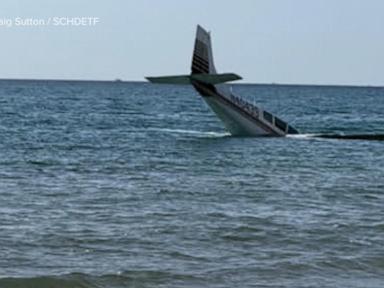
Plunging an aircraft into the open ocean sounds like a script written for a disaster film. Yet, aviation history repeatedly shows that controlled water landings are entirely survivable. When a small aircraft goes down off the coast of Florida, headlines flash across screens with dramatic rescue footage. Spectators marvel at the stroke of luck that brought the pilot home.
Luck has very little to do with it.
Surviving an open-water impact comes down to cold physics, split-second operational decisions, and rigorous pilot training. If you look past the sensationalized clips shared by major networks, a different story emerges. It is a story about how emergency cockpit procedures turn catastrophic structural failures into manageable ditching scenarios.
The Anatomy of an Ocean Ditching
Every licensed private pilot dreads engine failure over water. You lose your primary power source, your glide distance shrinks, and the terrain below offers zero forgiveness. Coast Guard data and Federal Aviation Administration incident reports highlight a stark reality. Most fatalities in water landings do not happen on impact. They happen because occupants panic, fail to exit the fuselage before it sinks, or mishandle life rafts.
When a pilot faces a downed engine miles from the coastline, panic is a luxury nobody can afford. The immediate priority involves establishing the best glide speed, trimming the aircraft for stability, and transmitting a mayday call with precise coordinates.
Aviators flying single-engine planes along the Florida coastline deal with unique variables. Shifting oceanic winds, unpredictable squalls, and heavy marine traffic complicate every descent vector. A controlled descent means keeping the wings level, maintaining flying speed until the absolute last second, and touching down parallel to swells rather than crashing head-on into towering waves.
What Training Videos Leave Out
Mainstream news coverage loves a clean narrative. A plane goes down, brave rescuers arrive, and everyone waves to the camera. What gets skipped is the brutal physical reality of hitting water at stall speed.
Water acts like concrete if you strike it incorrectly. Pilots must flare the aircraft nose high, mimicking a normal runway landing, to let the underside absorb the initial blow. The goal is keeping the nose gear from catching a wave and flipping the aircraft over—a phenomenon known as cartwheeling, which usually destroys the cabin structure.
When a pilot successfully executes this maneuver off the Florida shore, they aren't just lucky. They are executing muscle memory drilled into them during simulator sessions and flight checkrides. They know how to manage the sudden rush of saltwater, release their harnesses under pressure, and inflate life vests only after clearing the sinking door frame. Inflating a vest inside a sinking cockpit traps you against the ceiling. It is a fatal rookie mistake that veteran pilots actively avoid.
Navigating the Aftermath
Surviving the impact is only half the battle. Once you are bobbing in the Atlantic or the Gulf of Mexico, the environment turns hostile. Hypothermia, disorientation, and dehydration set in faster than most people realize, even in warm southern waters.
Search and rescue teams rely heavily on emergency locator transmitters, commonly known as ELTs. Modern digital units broadcast exact GPS coordinates to satellites within seconds of an impact. Without an active ELT, finding a small white speck bobbing among whitecaps becomes nearly impossible.
If you ever find yourself tracking aviation incidents or stepping into a cockpit yourself, remember what separates a tragedy from a survival story. It is preparation. It is the refusal to surrender when the engine stops turning. It is understanding that the ocean demands absolute respect, and treating every pre-flight safety check as if your life depends on it. Because eventually, it just might.