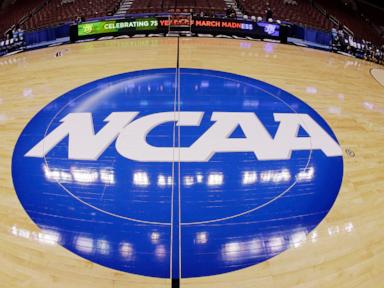
Greed meets reality when federal judges stop playing around with college sports corruption. Jalen Smith just learned that lesson the hard way. A federal court handed the thirty-year-old fixer a six-year prison sentence for running a sprawling, lucrative NCAA basketball betting and point-shaving scheme.
If you thought sports corruption was just a storyline in a mob movie, look closer at modern college athletics. This case exposes how fragile the integrity of college basketball really is when big money enters the room. Let's break down what happened, how the scheme worked, and why this sentence marks a massive turning point for sports betting regulation.
The Anatomy of an NCAA Basketball Point Shaving Operation
Point-shaving isn't about outright throwing games; it is much more insidious. Fixers don't need a team to lose. They just need the team to win by less than the point spread, or lose by more.
According to federal prosecutors, Smith and his co-conspirators operated on a massive scale. The indictment named at least twenty-six defendants, targeting over a dozen former college basketball players and several active players. The operation wasn't casual. It generated more than three million dollars in fraudulent wagers across various platforms.
How do you convince young athletes to risk their entire athletic careers? Money talks. Bribe payments usually ranged from ten thousand to thirty thousand dollars per game. For a college student living on a tight stipend, that cash looks life-changing. Smith and his network specifically targeted players on underdog teams. These athletes were prime marks because the offered bribes dwarfed any legitimate NIL or part-time earnings they might scrape together.
How the Fixers Got Caught
You can't rig games forever without leaving a digital and financial paper trail. Modern sports betting markets feature sophisticated integrity monitoring systems that flag suspicious betting volume instantly. When abnormal amounts of money pour into obscure college basketball matchups on specific point spreads, red flags go up everywhere.
Federal investigators mapped out how Smith used his background as a basketball trainer in Charlotte, North Carolina, to get close to players. He trained local athletes for professional scouting combines, building trust before flipping them into the betting syndicate. Once recruited, players executed the fix by playing badly, sitting out crucial minutes, or deliberately keeping the ball away from teammates who weren't part of the scheme.
Sometimes the bets failed anyway. Sports gambling remains a volatile game, and even rigged outcomes can go sideways. But the federal government cares less about whether the bet won and more about the fundamental fraud committed against sportsbooks and fans.
The Real Cost of College Basketball Match Fixing
Smith's punishment went beyond prison time. The judge ordered him to pay one point one million dollars in restitution. That figure represents the direct losses incurred by gambling platforms that paid out on fraudulent wagers before the scheme collapsed.
Worse still is the human toll. Former players caught up in these sprawling investigations have seen their reputations shredded. Some faced lifetime bans from the NCAA. Athletes who once dreamed of playing professional basketball now face criminal records and permanent public disgrace.
We keep expanding legal sports betting across the United States. States want tax revenue, and leagues want fan engagement. But every time a scandal like this hits the headlines, it reminds regulators that rapid expansion invites criminal elements. Without aggressive federal oversight and strict monitoring of college sports betting lines, bad actors will keep trying to exploit amateur athletes.
What Happens Next for College Sports Integrity
Athletic departments are sweating right now. Universities are rushing to ramp up education programs, warning players about the dangers of social media DMs from shady gamblers and fixers. The days of treating sports betting integrity as an afterthought are officially over.
Six years behind bars sends an unmistakable message. If you treat college basketball as your personal casino, the federal prison system will gladly accommodate you.
The investigation isn't an isolated incident. It's a glaring window into a dark underbelly that athletic conferences and sportsbooks must dismantle piece by piece.
NCAA basketball players and gambling fixers are charged for allegedly rigging games
This video provides additional context regarding the 70-page federal indictment and the specific bribe structures used by fixers to target college athletes.
http://googleusercontent.com/youtube_content/1