Six Indian seafarers have spent more than six months stranded aboard a vessel at the Karachi port, caught in a grueling maze of commercial disputes, local bureaucratic hurdles, and administrative red tape. While families back home scramble for answers and appeal to various political offices, New Delhi has formally stepped in by making a consular request to Pakistani authorities.
If you look past the headlines, this situation exposes the grim reality of maritime employment contracts and how easily ordinary workers can fall through the cracks of international logistics when things go sideways.
The Reality Behind the Karachi Port Standstill
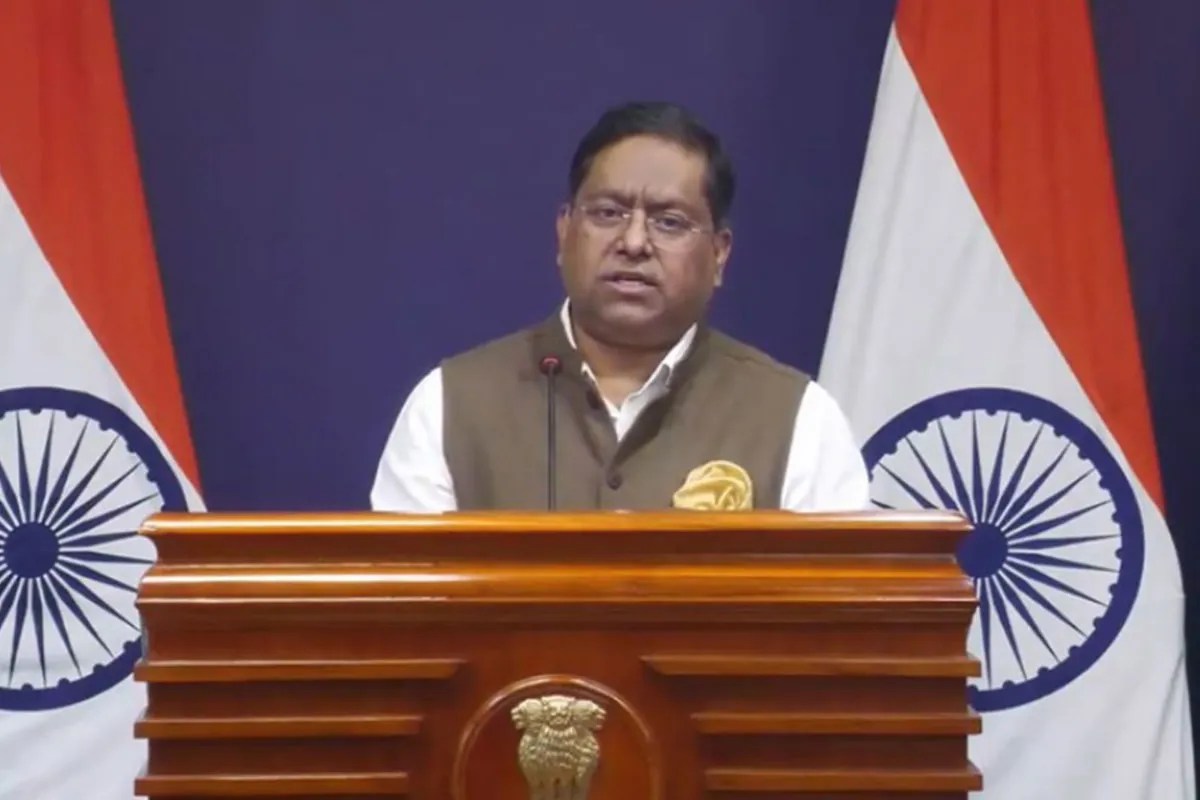
According to Ministry of External Affairs (MEA) spokesperson Randhir Jaiswal, the core of the issue isn't an outright diplomatic detention, but rather a deeply tangled commercial dispute between the ship's owner, local operators, and the crew. The vessel itself became entangled in regulatory complications involving port authorities, leaving the crew members stranded without a clear escape route.
Maritime rules are notoriously rigid. You can't just walk off a merchant ship whenever you feel like it. Standard maritime regulations require a replacement crew to physically arrive and take over operations before existing crew members are legally permitted to sign off and depart. Because that replacement team hasn't materialized, the Indian sailors remain trapped on board.
Communication has been another major casualty of this ordeal. Families report that contact with the stranded sailors has dwindled down to brief, infrequent check-ins—sometimes managing to speak just once every fortnight. With expired employment contracts and seized or restricted documentation hanging over their heads, the psychological toll on the crew and their relatives has been immense.
What the Government Is Doing Now
New Delhi's approach involves a dual-track strategy. On one hand, officials are communicating directly with the employer, shipping agents, and the crew members themselves to find a way out. On the other hand, formal diplomatic channels have been activated, with India pressing Pakistan for consular access and assistance to check on the welfare of the citizens and facilitate their repatriation.
Navigating consular matters across the border is rarely fast, especially when commercial liabilities and port authorities are involved. The MEA maintains that while it is actively monitoring the situation and coordinating with stakeholders, resolving a dispute tied to private shipping companies takes time.
The Broader Vulnerability of Merchant Seafarers
Cases like this highlight a recurring vulnerability in the global shipping industry. When a vessel operator runs into financial trouble or regulatory penalties overseas, the crew is almost always left to bear the brunt of the fallout. Passports get restricted, provisions run low, and getting local authorities to allow departures without settled fines or replacement labor becomes an absolute nightmare.
Families of the stranded sailors have knocked on every available door, approaching local representatives, state officials, and central authorities in hopes of accelerating the process. While the Indian government's consular intervention marks a critical step forward, the timeline for the sailors' actual return home still depends heavily on how quickly the commercial and administrative logjam in Karachi can be cleared.