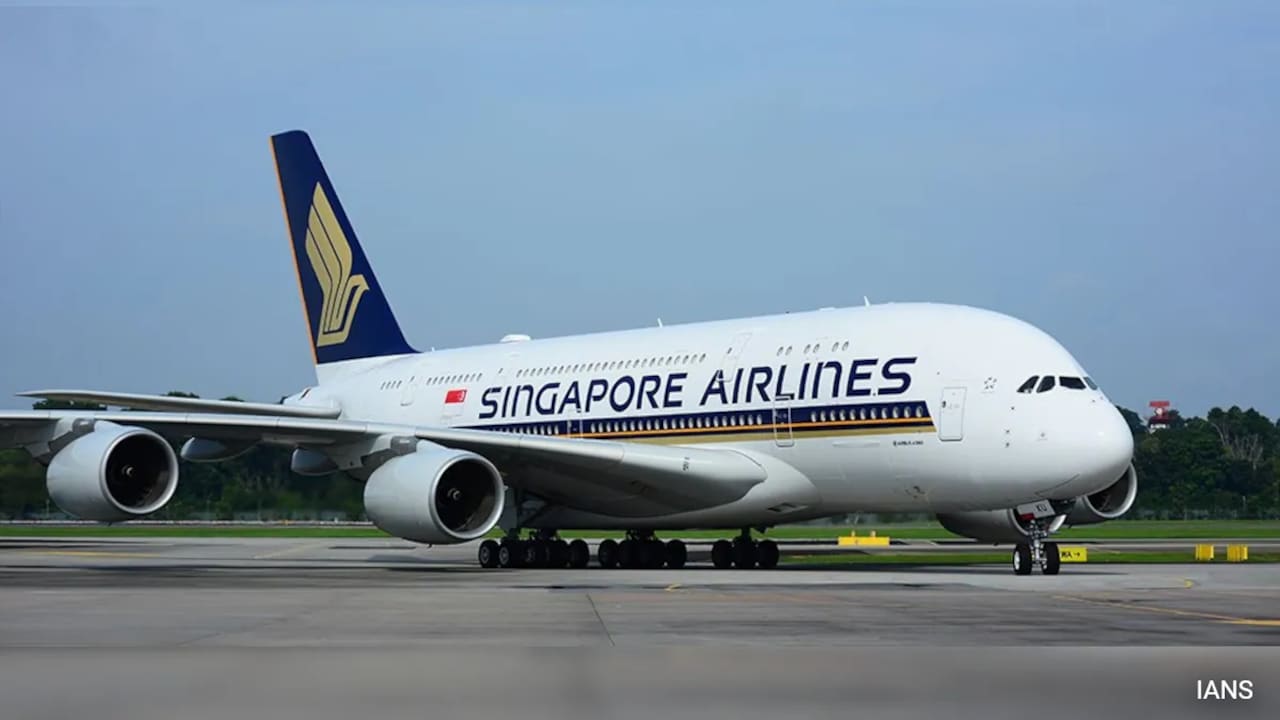
Your travel itinerary isn't as private as you think. When Singapore Airlines confirmed that roughly 46,000 booking records were exposed in a massive third-party security incident involving travel tech provider Amadeus, it exposed a glaring weak spot in modern aviation.
You trust airlines with your passport copies, contact details, and precise travel schedules. But your data rarely stays inside the airline's own fortress. It flows through a complex network of global distribution systems and software vendors. When one of those central hubs breaks down, the shockwaves hit millions of passengers worldwide.
Let's break down what actually happened, what data got leaked, and why third-party vendor risks should terrify frequent flyers.
The Amadeus Connection Explained Simply
Singapore Airlines didn't get hacked directly. That is the single most important detail most casual news reports gloss over.
Instead, the security event hit Amadeus, a massive technology backbone that handles reservations and booking processes for carriers across the globe. An unauthorized party managed to exploit a blind spot, gaining entry using valid system credentials. This unauthorized access didn't happen overnight or in a quick weekend raid. Investigators revealed that the exposure window stretched quietly for over three years, running from August 2023 until September 2026.
Amadeus supplies infrastructure to dozens of major airlines. Singapore Airlines is just one piece of a much larger global puzzle that also caught carriers like Cathay Pacific, Japan Airlines, and Korean Air in the crosshairs. When a foundational vendor falls, every client using its software inherits the risk.
What Data Was Actually Exposed
Panic naturally sets in whenever words like "data breach" hit the headlines. People immediately worry about empty bank accounts and maxed-out credit cards.
Fortunately, financial details dodged the bullet here. Amadeus and Singapore Airlines both confirmed that bank account numbers, credit card data, and payment information remained secure and untouched. Bookings themselves were not altered or modified by the intruders.
Even so, the exposed information is far from harmless. For the 46,000 affected Singapore Airlines booking records, unauthorized eyes could view:
- Passenger full names
- Booking reference numbers (PNRs)
- Travel itineraries and routing
- Booking classes
For a smaller subset of about 620 booking records, the exposure went deeper. Those specific files included email addresses, phone numbers, travel document specifics, and KrisFlyer membership numbers. If your record falls into that smaller group, your exposure profile changes from an anonymous itinerary leak to targeted personal contact exposure.
Why Third-Party Vendor Risk Is the Airline Industry's Blind Spot
Airlines spend millions building pristine digital experiences. Their apps look great, their websites load fast, and their self-check-in kiosks streamline airport queues. Yet, they outsource core operational plumbing to legacy tech vendors.
Most travelers assume an airline controls its entire digital ecosystem. In reality, airlines rely heavily on specialized business-to-business platforms for ticketing, inventory management, and seat allocations. These vendors hold massive repositories of global travel data, making them high-value targets for malicious actors.
When a hacker can slip in using valid credentials over a multi-year span, it points to a systemic failure in vendor credential management, access monitoring, and continuous security auditing. It proves that perimeter defense stops working the moment an attacker slips through the digital supply chain.
Immediate Steps to Protect Your Travel Security
Singapore Airlines has started reaching out directly to affected passengers, instructing travelers with upcoming trips to change their booking reference numbers as a precaution. If you receive an alert, take it seriously.
Beyond waiting for an airline notification, you need to adopt defensive habits when dealing with travel communications:
- Watch Out for Spear Phishing: Because names, itineraries, and booking references leaked, scammers can craft frighteningly convincing emails. They might quote your actual upcoming flight to trick you into clicking a malicious link or paying a fake "baggage fee." Never click links in unexpected emails claiming to be from your airline. Always navigate to the official website manually.
- Secure Your Frequent Flyer Accounts: If you are a KrisFlyer member and worry your details were compromised, change your account password immediately. Turn on multi-factor authentication anywhere it is available.
- Audit Your PNR Sharing Habits: Stop posting boarding passes or booking reference screenshots on social media. Combined with leaks from third-party platforms, basic details shared online give bad actors enough context to impersonate you or call customer support on your behalf.
Third-party breaches will keep happening as long as legacy code and centralized tech vendors dominate global infrastructure. Keep your guard up, monitor your accounts, and stop assuming your data stays safe just because the airline's homepage looks secure.