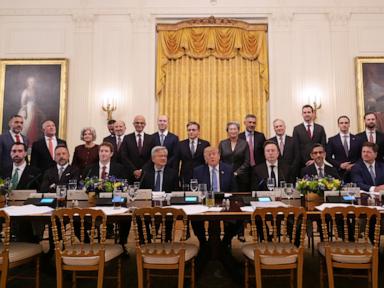
Silicon Valley is popping champagne. At recent tech gatherings in San Francisco, venture capitalists and artificial intelligence founders didn't hide their enthusiasm. They are thrilled by the White House's hands-off stance on regulation.
President Donald Trump recently announced that the artificial intelligence sector can police itself, backed by a voluntary safety accord signed by major tech executives like Elon Musk, Mark Zuckerberg, Sundar Pichai, and Jensen Huang. While civil rights groups and lawmakers sound alarms over unchecked technology, tech leaders see freedom from red tape.
The Appeal of Self Regulation
Why are founders so happy? Regulation is expensive, slow, and hostile to rapid iteration. Startups move fast. When governments step in with heavy mandates, compliance costs crush smaller players while locking in incumbent dominance.
Trump's approach leans heavily on voluntary standards rather than strict federal laws. For founders racing to build massive compute clusters and launch next-generation models, this means no burdensome federal oversight boards slowing down deployments.
Critics call it a free pass. Graham Steele, a former Treasury Department official, noted the danger of letting private corporations govern technology with massive social and political consequences. Can companies tasked with maximizing profit objectively police their own safety risks?
The Pushback From the Streets
Not everyone in California is cheering. Outside tech conferences, protesters and civil rights advocates have made their frustrations clear. They are demanding stricter guardrails, questioning military contracts, and pushing back against corporate surveillance and autonomous decision-making systems.
Public anxiety around advanced automation keeps climbing. Yet the administration remains steadfast, even renaming artificial intelligence to "super intelligence" and leaning into corporate voluntary agreements.
What This Means Moving Forward
If you're building in this space, the rules of the game are wide open. You aren't handcuffed by federal licensing regimes, but you do carry the heavy burden of public trust. When an industry polices itself, corporate ethics become the only line of defense against catastrophic failure.
The next few years will test whether voluntary commitments can withstand the relentless pressure of the commercial race.
Trump Says AI Industry Can Self-Police After Tech CEOs Sign Safety
This video provides direct context on the White House announcement regarding voluntary safety standards and self-policing for artificial intelligence companies.
http://googleusercontent.com/youtube_content/1