Political obituaries get written way too fast these days. When Sherrod Brown lost his Senate seat just two years ago, pundits claimed the populist Democrat was finished in a state sliding hard toward the right. They forgot one simple truth. Ohio voters don't follow rigid national scripts.
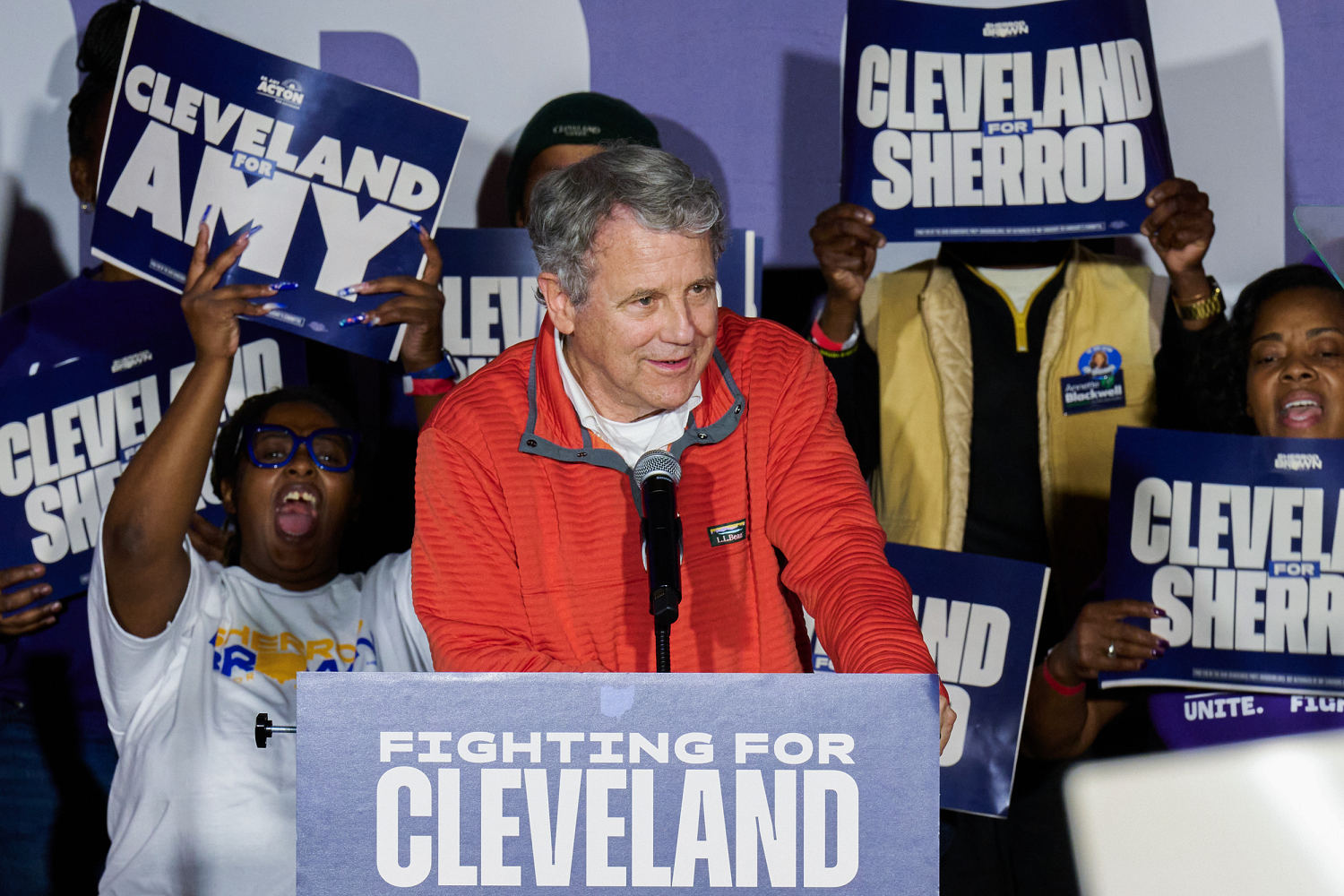
Brown proved them wrong by defeating incumbent Republican Senator Jon Husted in a brutal special election. He is heading back to Washington, turning a stinging past defeat into one of the most stunning political resurrections of the decade.
The Anatomy of a High Stakes Showdown
This race was never going to be polite. Outside money poured into Ohio by the tens of millions, turning local commercial breaks into relentless waves of attack ads.
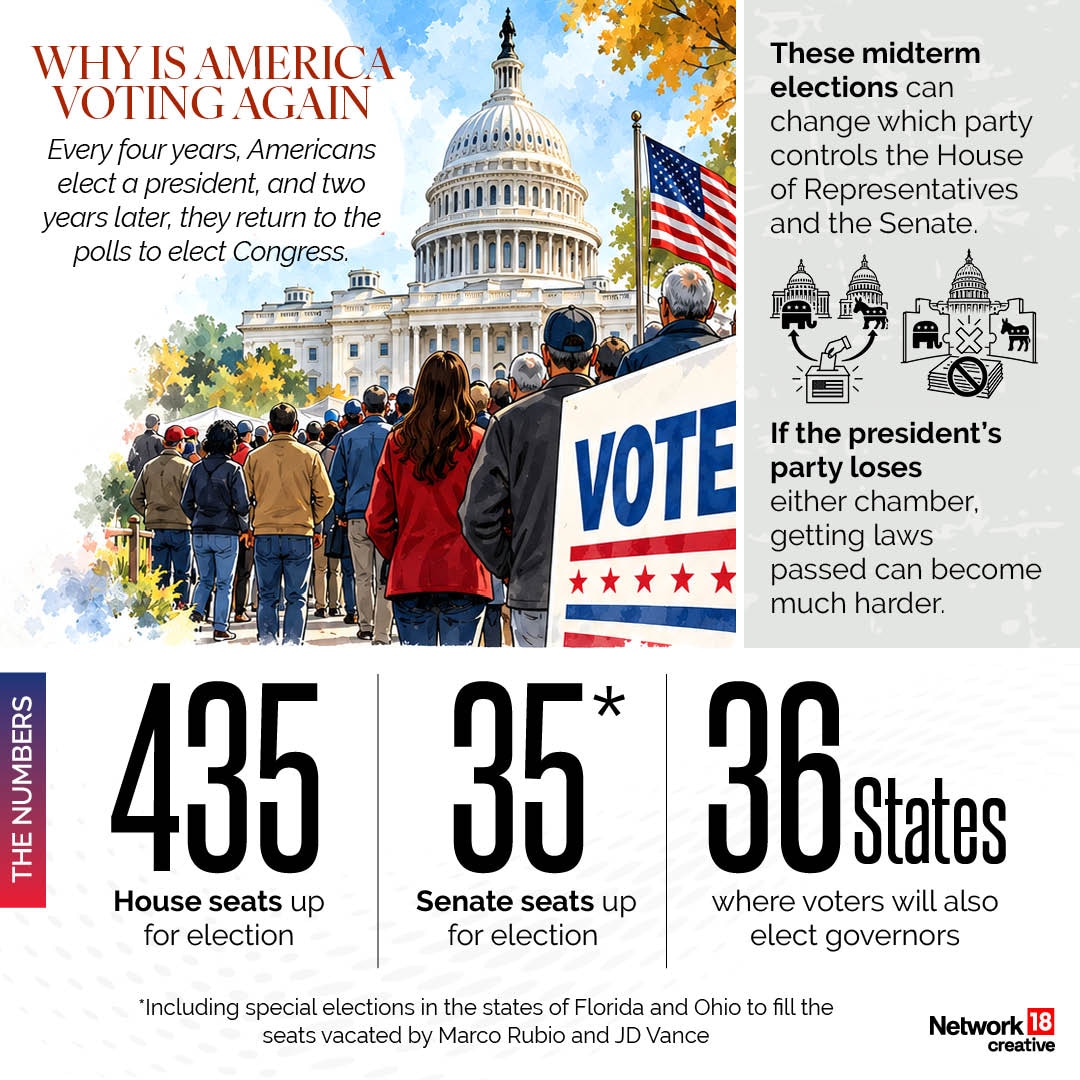
The vacancy itself happened because JD Vance left the Senate to become vice president. Republican Governor Mike DeWine then appointed Jon Husted—the state's former lieutenant governor—to fill the empty seat. That handed Husted the incumbent label, but it also saddled him with the complicated record of the state party apparatus.
Brown didn't run away from his decades-long brand. He leaned straight into it. While national political trends spell trouble for Democrats in the Rust Belt, Brown kept his focus on labor unions, manufacturing jobs, and economic populism. That core message resonates differently when a candidate has spent a lifetime building local trust.
Why Husted Struggled to Lock It Down
Jon Husted is a seasoned operator. He has won statewide office multiple times and built a powerful machine in Ohio GOP politics. Yet, running in a high-turnout special election with the presidential mid-term dynamics playing out is a different beast.
Voters were restless. Economic anxiety remains real across factory towns and suburban cul-de-sacs alike. Husted tried to tie Brown to national party struggles, but that playbook lost its punch against a candidate known more for local grit than party orthodoxy.
When the dust settled, the math proved unforgiving for the GOP. Brown captured roughly forty-eight percent of the vote to Husted's forty-six percent, slicing through a polarized electorate with a narrow but decisive margin.
What This Means Moving Forward
Brown returns to the Senate with a specific mandate, though he will only serve the remaining two years of that unexpired term. That means the target is already painted on his back for the next full election cycle.
For the Democratic Party, this victory offers a rare blueprint in a tough Midwestern terrain. You don't win by copying national talking points. You win by local retail politics, aggressive positioning on working-class issues, and refusing to stay down when the political winds shift.
Ignore the pundits who claim states are permanently locked into one color. Ohio just proved that personal brand and relentless ground game still matter more than map projections.