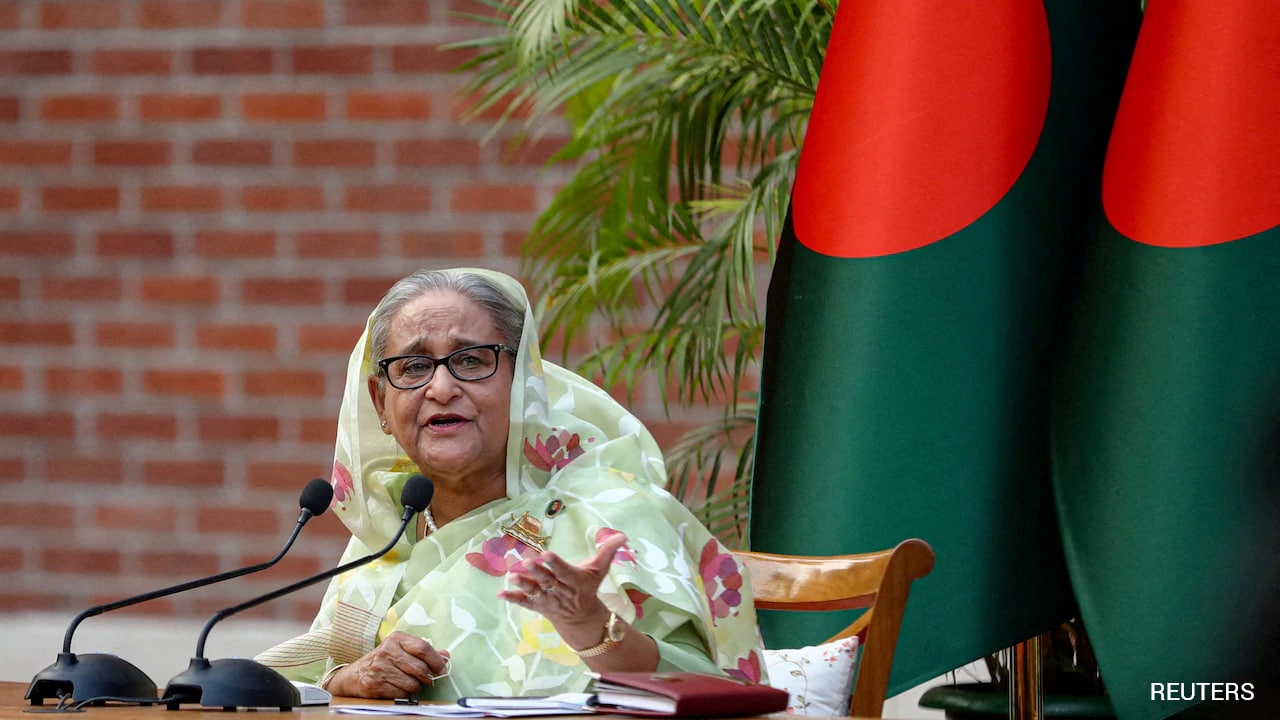
Former Prime Minister Sheikh Hasina is running out of options, and time. If she follows through on her stated plans to leave her exile in India and return to Bangladesh, she won't be walking into a political comeback. She'll be walking straight toward a death sentence.
Chief Prosecutor of the International Crimes Tribunal Md Aminul Islam made it crystal clear this week: Hasina has no legal recourse left to dodge the verdict. A Dhaka court sentenced her to death in absentia after finding her guilty of crimes against humanity. The charges stem from the brutal 2024 crackdown on student-led uprisings that left up to 1,400 people dead.
Let's look at what's actually driving this high-stakes standoff and why her potential return is throwing South Asian geopolitics into complete chaos.
The Legal Reality Behind the Death Sentence
When a court hands down a death sentence in absentia, defendants typically try to claw their way back through appeals or retrials once they reappear. But Bangladeshi prosecutors aren't entertaining that narrative. Islam pointed out that the legal window has slammed shut. There is no automatic stay waiting for her, and officials are pushing back hard against the idea that she can simply walk into a courtroom to fight the charges on her own terms.
Hasina has dismissed her legal troubles as a "jurisprudential joke," but the current government in Dhaka is treating the tribunal's findings as absolute law. Bangladesh has already formally requested her extradition from India.
India finds itself stuck between a rock and a hard place. Harboring a longtime ally who faces execution strains diplomatic ties with the new administration in Dhaka, yet handing her over carries massive political implications. Meanwhile, rumors swirl about her travel documents and passport applications, though local officials note that no official personal application has been filed directly by her.
Why Hasina Refuses to Stay Quiet
Most leaders who flee a violent revolution stay out of the spotlight. Hasina isn't playing that game. Despite knowing that she faces the gallows, she has signaled an intent to return. Her stance is simple: fear shouldn't dictate duty.
Critics argue she's testing the waters to see if her loyalists can spark enough civil unrest to force a compromise. Her supporters haven't vanished entirely. Police in Dhaka recently arrested members of her banned Awami League party over coordinated petrol bomb attacks. While those attacks didn't cause casualties, they served as a loud reminder that her political machine still has teeth.
Prime Minister Tarique Rahman’s government faces a massive security headache. Allowing her back means executing a polarizing former leader—a move that could turn her into a martyr for her remaining base. Stopping her return entirely means dealing with endless diplomatic friction with New Delhi and managing a restless domestic population that largely demands severe accountability.
What Happens Next in Dhaka
The standoff is entering its most dangerous phase. If Hasina attempts a surprise border crossing or forces New Delhi's hand through international legal pressures, the timeline accelerates instantly.
For now, the legal framework in Bangladesh is locked in. The prosecutors have drawn their line in the sand, the international tribunal's ruling stands, and the security apparatus is on high alert for any signs of renewed street violence. Whether she actually boards a flight or stays put in India, the myth of her untouchability is gone for good.


