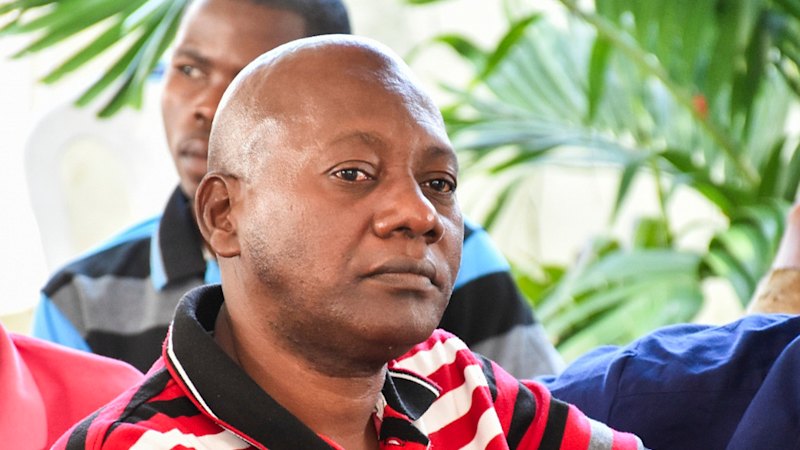
Paul Mackenzie didn't look like a monster. He looked like an ordinary taxi driver until he traded his steering wheel for a pulpit and built a death cult in Kenya's remote coastal wilderness. Justice finally caught up to him. A court convicted Mackenzie and 28 of his followers of murdering 190 children and one adult, closing one of the most horrific chapters in modern religious extremism.
If you've followed the news out of East Africa, you know the broad strokes. Police raided the Good News International Church in the Shakahola Forest back in 2023, uncovering shallow graves that eventually swallowed more than 400 bodies. But the recent conviction highlights something far more disturbing than a single madman. It exposes how unchecked charismatic authority can override basic human survival instincts in isolated communities.
How the Shakahola Cult Trap Worked
Mackenzie didn't just preach faith. He systematically dismantled his followers' connection to reality. Operating out of a sprawling 3.2-square-kilometre ranch near Malindi, he enforced a strict psychological prison.
Followers were ordered to burn their identity cards, shun modern medicine, and pull their kids out of school. Mackenzie branded public institutions as satanic. Once isolated, he introduced what prosecutors rightly called a "hierarchy of death."
The doctrine demanded extreme fasting structured in phases:
- Children were forced to starve first.
- Women followed next.
- Men starved in the final phase.
Witness testimonies during the trial revealed that Mackenzie promised this horrific self-destruction was a holy ticket to "meet Jesus." He claimed he would fast and die last. Unsurprisingly, survivors noted he didn't quite stick to that final rule when the police closed in.
The Failure of Regulatory Oversight
You have to ask a hard question here. How did a man running a radical sect operate in plain sight for two decades?
Mackenzie founded his church back in 2003. He was arrested in 2017 for radicalisation and again in 2019 after two children starved on his property. Yet, the system let him slip through the cracks. Kenyan authorities faced fierce criticism for failing to act on early tip-offs. Fringe religious groups often hide behind constitutional protections for freedom of worship, making local law enforcement hesitant to intervene until bodies pile up.
This regulatory blind spot isn't unique to Kenya. Around the world, legal systems struggle to draw a clear line between eccentric religious practice and active criminal endangerment. When leaders weaponize isolation, governments need early intervention protocols that prioritize child welfare over religious tolerance.
The Ongoing Aftermath and Missing Victims
The conviction of Mackenzie and his 28 co-accused—who acted as enforcers, beat starving followers, and dug secret graves—brings some measure of accountability. But the crisis isn't over.
Many bodies recovered from the forest remain unidentified. Worse yet, social workers and security officials warn that deeply brainwashed adherents who escaped the initial 2023 police sweep still harbor cult beliefs. Police reports from late 2025 noted fresh graves discovered long after the forest raid, proving that ideological capture runs deeper than physical imprisonment.
When dealing with high-control groups, locking up the leader doesn't instantly deprogram the followers. Communities, families, and mental health professionals face a long road to rescue victims trapped in lingering psychological bondage. Watch local law enforcement agencies closely as they revise how fringe religious organizations are monitored, because stopping the next Shakahola requires catching the warning signs long before the graves are dug.