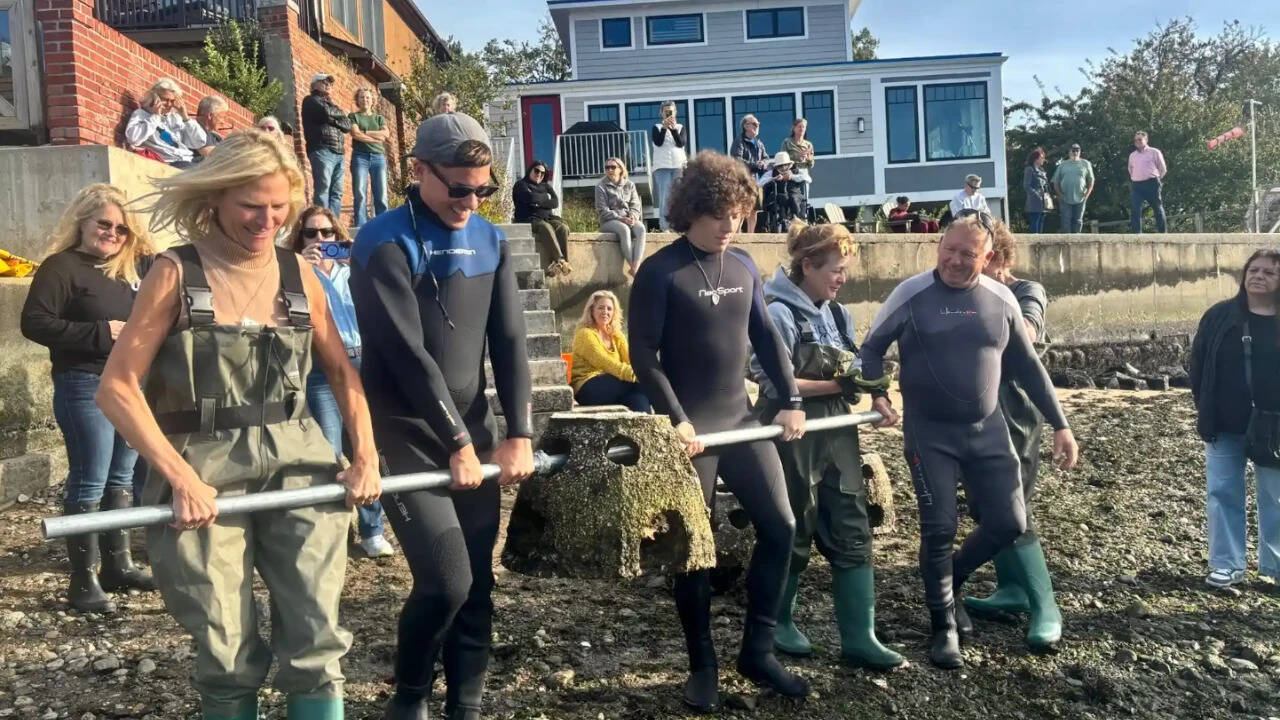
Seven years of planning, bureaucracy, and physical grit don't usually fit neatly into a headline. But that's exactly what it took for a dedicated crew of New York volunteers to roll six heavy concrete structures into Eastchester Bay.
If you think urban waterways in New York are beyond saving, the recent project by City Island Oyster Reef will make you rethink your stance. On October 9, 2026, local residents, volunteers, and family members carried six 175-pound reef balls directly into the bay near Delmour's Point. Weeks later, divers noticed something incredible. Fish, crabs, and shrimp were already sheltering inside the oyster-covered concrete structures. Don't miss our previous post on this related article.
Urban conservation usually sounds like corporate greenwashing or distant policy debates. This project was different. It happened on the ground, driven by everyday people who refused to let their local waters stay degraded.
Why Eastchester Bay Needed This Rescue
Eastchester Bay has faced serious ecological hurdles for decades. Water quality reports from groups like Save the Sound routinely hand out failing grades to spots along the Bronx waterfront due to bacterial contamination, sewage, and stormwater runoff. To read more about the background of this, Refinery29 provides an excellent summary.
You can't just throw oysters in the water and walk away. That's why the City Island organization spent roughly seven years doing rigorous research, mapping the seabed, and monitoring local conditions. They needed to know if native oysters could actually survive in these tough marine environments.
The strategy isn't just about nostalgia for when New York Harbor was packed with billions of native oysters. It's about practical biology. Oysters act as natural filtration machines, and complex physical structures provide crucial habitats for marine life that has struggled to find a foothold in polluted urban bays.
Inside the Seven-Year Preparation
Building a living reef takes serious behind-the-scenes work. These six reef balls didn't magically appear on the shore.
The structures spent months at the Cornell Cooperative Extension marine hatchery out in Southold, starting back in June 2026. Technicians and volunteers seeded the concrete domes twice with oyster larvae, allowing the baby bivalves to take hold before making the journey back to City Island.
When the installation day finally arrived, it carried heavy emotional weight. The group dedicated the six reef balls in memory of eight vital contributors who passed away before seeing the project come to life: Dr. Heike Neumeister, Walter Rodstrom, Malcolm Campbell, Dr. Patrick Gannon, Mike McElroy, John Garisto, Daniel Sterman, and Adam Calbo. Family members removed personalized identification tags from the concrete before the structures were submerged in the subtidal zone.
It turned a standard environmental installation into a deeply personal community milestone.
What Divers Found Underwater
Skeptics always question whether artificial reefs actually make a difference in heavily urbanized bodies of water. The early results from Eastchester Bay speak for themselves.
Shortly after the October drop, underwater surveys revealed a bustling neighborhood forming around the concrete domes. Divers spotted blackfish, crabs, and shrimp making themselves at home among the oyster-encrusted surfaces. Similar local efforts—like monitoring sessions near American Turners New York—have already recorded fish utilizing oyster cages and shell beds for safe hiding spots.
While an artificial reef won't magically solve regional sewage issues overnight, it creates localized biological hotspots. It brings life back to muddy bottoms that were previously barren.
What You Can Learn From the City Island Project
If you want to support marine restoration in your own coastal community, waiting for a government mandate is a waste of time. Grassroots action works because local residents care more about their backyard than any distant bureaucracy.
Look into local environmental groups working on waterfront cleanups or oyster gardening programs. Supporting regional conservation chapters puts science into practice where it matters most.
The reef balls at Delmour's Point are just the beginning. Plans for future phases aim to expand these protective habitats further along the western Long Island Sound. Real change happens when people stop complaining about polluted waters and start rolling heavy concrete into the bay themselves.