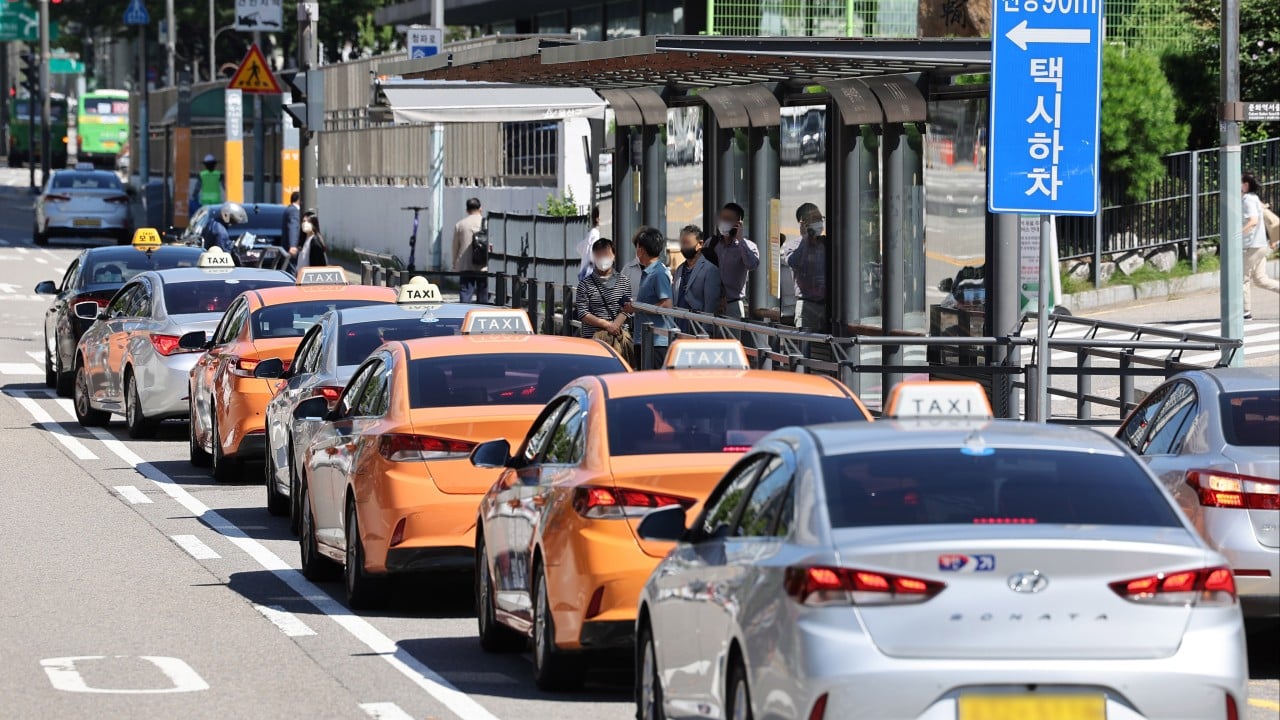
Landing in a foreign country and getting hit with a massive fare before your vacation even starts ruins the entire experience. Seoul wants to fix its chronic taxi overcharging issue, but the city has a long way to go before tourists feel safe hailing a cab.
Recent data brought to light by South Korean lawmakers reveals a frustrating reality. Between 2021 and August 2026, authorities logged over 6,400 complaints regarding unfair taxi fares targeting foreign visitors. Out of those thousands of reports, only about 3 percent resulted in actual administrative sanctions. Most cases vanished into internal closures due to vague verification hurdles or withdrawals by frustrated travelers who simply wanted to move on with their lives.
The Real Cost of Bad Cabbies
You might wonder how a simple ride from the city center to Incheon International Airport turns into a financial ambush. Take the case of the Taiwanese tourist who went viral after posting a receipt totaling 690,000 won (around US$520) for a trip that should have cost a fraction of that amount. The driver claimed he accidentally entered an extra zero on the manual meter. That tiny "mistake" cost the rider nearly ten times the normal price.
Stories like this spread fast across social media platforms like Threads and local news outlets. When international travelers see these headlines, confidence in local transportation takes a massive hit. Seoul relies heavily on tourism, and letting a few rogue drivers damage the city's reputation makes no sense.
Why Existing Punishments Fail
Seoul set up a reward system back in 2013 promising cash compensation to foreigners if their overcharging reports led to formal penalties against drivers. Sounds great on paper, right? In practice, it has paid out zero cents.
The application process is too complicated for short-term visitors. If you are only in town for a few days, you aren't going to spend hours navigating bureaucratic red tape to claim a refund while dealing with language barriers and flight schedules. Lawmakers point out that a lack of public awareness renders the program useless. When enforcement mechanisms have teeth only in theory, bad actors continue taking advantage of unsuspecting passengers.
How to Protect Yourself on Your Next Trip
Until the city government streamlines its reporting process and forces accountability across the board, you have to look out for yourself.
- Insist on the meter: Never agree to a flat rate negotiated outside the meter for standard city trips unless it is a legitimate official airport zone flat fee. If a driver refuses to turn on the meter, get out.
- Pay with a card or app: Using registered ride-hailing apps or credit cards leaves a digital paper trail. Cash transactions make it much harder to dispute an unfair charge later.
- Snap a photo of the receipt: If something feels off, get a physical or digital receipt immediately. It contains the driver's registration details, license plate, and vehicle number, which you need if you plan to file a formal complaint with Seoul transit authorities.
Seoul has the infrastructure to be one of the smoothest travel destinations in the world, but letting a small percentage of dishonest drivers ruin the commute hurts everyone. Fixing the loophole requires real transparency, simpler reporting tools, and actual penalties that stick.
Seoul taxi overcharging scandal report on YouTube
This video provides local news coverage and data breakdown regarding the thousands of taxi overcharge complaints filed in Seoul and the low percentage of disciplinary actions taken against drivers.