Diplomatic trust between allies can shatter in a single press release. Seoul just proved it by demanding an official apology from Kyiv. The friction erupted after Ukrainian officials went public regarding the clandestine transfer of captured North Korean soldiers to South Korea.
If you are wondering why a quiet humanitarian handover turned into a massive geopolitical row, you are looking at the delicate tightrope of modern warfare diplomacy. Let's break down why this leak matters, how it impacts military cooperation, and what happens next. Recently making headlines lately: Why Andy Burnham Is Right To Risk Everything On A Brexit Reversal.
The Broken Silence Behind the Prisoner Transfer
For months, the presence of North Korean troops fighting alongside Russian forces has been one of the worst-kept secrets of the conflict. When Ukrainian forces capture soldiers deployed from Pyongyang, the logistics get complicated fast. Under South Korea's constitutional framework, citizens of the North are technically viewed as southern nationals, meaning Seoul is open to accepting defectors or prisoners who wish to avoid repatriation to certain punishment.
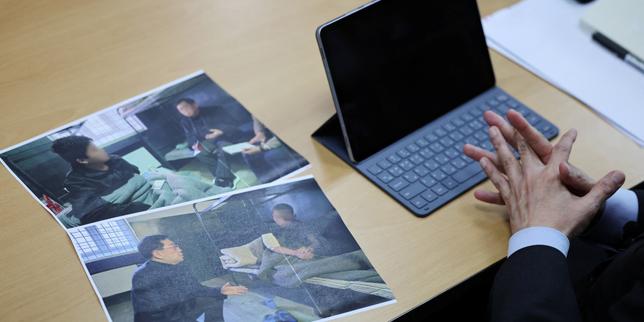
The operation to send two captured North Korean soldiers to Seoul was supposed to stay under wraps. Confidentiality is the lifeblood of sensitive intelligence and transfer operations, especially when dealing with regimes like Pyongyang. But Kyiv's press office broke that unwritten rule by broadcasting the details of the transfer to the world. More details into this topic are explored by Reuters.
Seoul's presidential office didn't mince words. They called out the disclosure as a direct breach of trust. When a government relies on discreet arrangements, a public announcement completely alters the risk profile for future operations.
Why Seoul is Drawing a Hard Line
You might ask why a leaked press release triggers such an angry reaction from South Korea. The answer comes down to domestic political fallout and regional security fears.
South Korea walks a very narrow diplomatic line. While Seoul provides humanitarian and financial support to Ukraine, it has consistently resisted shipping lethal weapons directly to the front lines. Officials in Seoul argued that Ukraine's public claim—denying any confidentiality agreement existed—was flat-out false and deliberately damaging to bilateral ties.
The immediate consequence of this fallout is already clear. The South Korean government made it explicitly known that future cooperation—whether involving lethal or non-lethal support—will face a much colder, more cautious approach. Trust takes years to build and seconds to break. Once a partner proves they will trade discretion for a quick headline, governments stop sharing sensitive intelligence.
The Broader Fallout for International Diplomacy
This diplomatic spat highlights a fundamental mismatch in priorities. Ukraine is fighting an existential war for survival, where every prisoner swap, headline, and international sympathy play matters for morale and pressure campaigns. Seoul, on the other hand, manages a hyper-volatile border with a nuclear-armed neighbor and must weigh every public action against the risk of military escalation on the Korean peninsula.
When Kyiv treats a sensitive intelligence handover like a standard public relations win, it ignores the domestic political pressure facing leaders in Seoul. Opposition parties in South Korea jump on any sign of mishandled foreign policy, while the ruling administration has to defend its competence against charges of being blindsided.
Expect future intelligence sharing and prisoner logistics between these two capitals to go dark completely. Without a formal apology and a restoration of basic protocol, South Korea's doors for discreet cooperation are slamming shut. Transparency is usually a virtue in politics, but in the shadows of the Ukraine conflict, a loose tongue just cost Kyiv a vital Asian ally.