Geopolitics rarely operates on pure altruism, and the current backdoor diplomacy surrounding the conflict in Eastern Europe proves it once again. What started as high-stakes diplomatic maneuvering to halt the fighting has quietly expanded into a massive commercial transaction involving some of the most valuable energy assets on the planet.
Reports indicate that ongoing backchannel discussions between Washington and Moscow are no longer just about redrawing borders or establishing ceasefires. They now feature a multibillion-dollar energy agreement centered on Lukoil’s extensive global footprint. When statecraft starts trading in international oil fields and retail stations, the underlying motives of the entire diplomatic push require a much closer look.
How Energy Assets Entered the Diplomatic Channel
Backroom negotiations often follow unconventional tracks. According to reporting from major outlets citing sources familiar with the matter, Russian leadership raised a sweeping commercial proposal during high-level meetings in Moscow. The pitch involved transferring or restructuring massive international holdings owned by Russian energy giant Lukoil, which includes oil fields, overseas refineries, and retail petrol stations scattered across multiple continents.
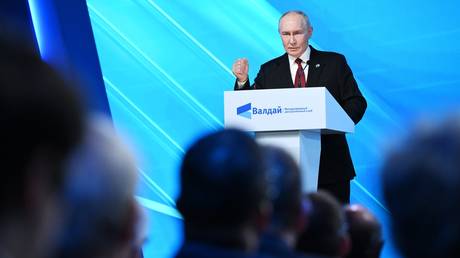
Vladimir Putin reportedly framed the potential transaction as a confidence-building measure. The pitch was simple: create an economic bridge between Moscow and Washington to prove to the Russian domestic audience that normal commercial ties with the United States remain possible.
Yet, the composition of the group attempting to broker or acquire these assets raises immediate questions about conflicts of interest and the blurred lines between private investment and public diplomacy.
The Financial Players and Political Connections
Deals of this magnitude never happen in a vacuum. The consortium pursuing the Lukoil international assets features high-profile American investor Todd Boehly alongside Middle Eastern investment groups with historical commercial ties to figures close to the American negotiating team, including Jared Kushner and Steve Witkoff.
This financial architecture changes the texture of the peace talks entirely. Critics immediately point out the obvious ethical quagmires. When individuals with direct lines to executive-branch diplomacy stand to benefit from massive commercial carve-outs involving sanctioned Russian entities, the distinction between foreign policy and private enrichment begins to evaporate.
Sanctions regimes against Russian energy companies were designed to choke off state revenues fueling the military campaign in Ukraine. Carving out exceptions or structuring sales that benefit well-connected Western and Middle Eastern financiers while bypassing standard compliance channels threatens to fracture the entire international coalition enforcing those economic restrictions.
What This Means for the Path to Peace
Connecting a complex territorial conflict to a commercial energy transaction creates dangerous precedents. On one hand, realists argue that financial incentives are the only way to bring an obstinate power to the negotiating table. If economic carve-outs give the Kremlin a face-saving exit strategy and a path back to global commerce, the guns might fall silent sooner.
On the other hand, transactional diplomacy of this scale risks legitimizing military aggression through commercial reward. If the takeaway for autocratic leaders is that launching a war can eventually lead to lucrative asset swaps and sanctions relief brokered by politically connected insiders, international law loses its deterrent value.
Furthermore, Ukraine remains a critical stakeholder in its own sovereignty, yet these grand bargains are often discussed over their heads. Trading assets tied to a Russian corporate giant without robust guarantees for Ukrainian reconstruction or security undermines long-term stability in the region.
The Broader Fallout for Global Markets
If a deal materializes, the global energy map shifts overnight. Lukoil’s international downstream assets are sprawling, and shifting ownership away from Russian state influence could ease certain supply chain bottlenecks while creating massive windfalls for the purchasing consortium.
However, the regulatory hurdles are immense. The US Treasury Department and various international regulatory bodies would need to clear transactions involving heavily sanctioned entities. Navigating those legal minefields requires unprecedented exemptions that will face severe scrutiny from lawmakers on Capitol Hill who view any softening of Russia sanctions as a dangerous concession.
Diplomacy requires compromise, but when peace talks start looking like a private equity buyout, the public deserves total transparency. The intersection of war, oil, and elite dealmaking is rarely pretty, and this latest chapter suggests the resolution to the conflict will enrich a select few long before it brings true security to Europe.