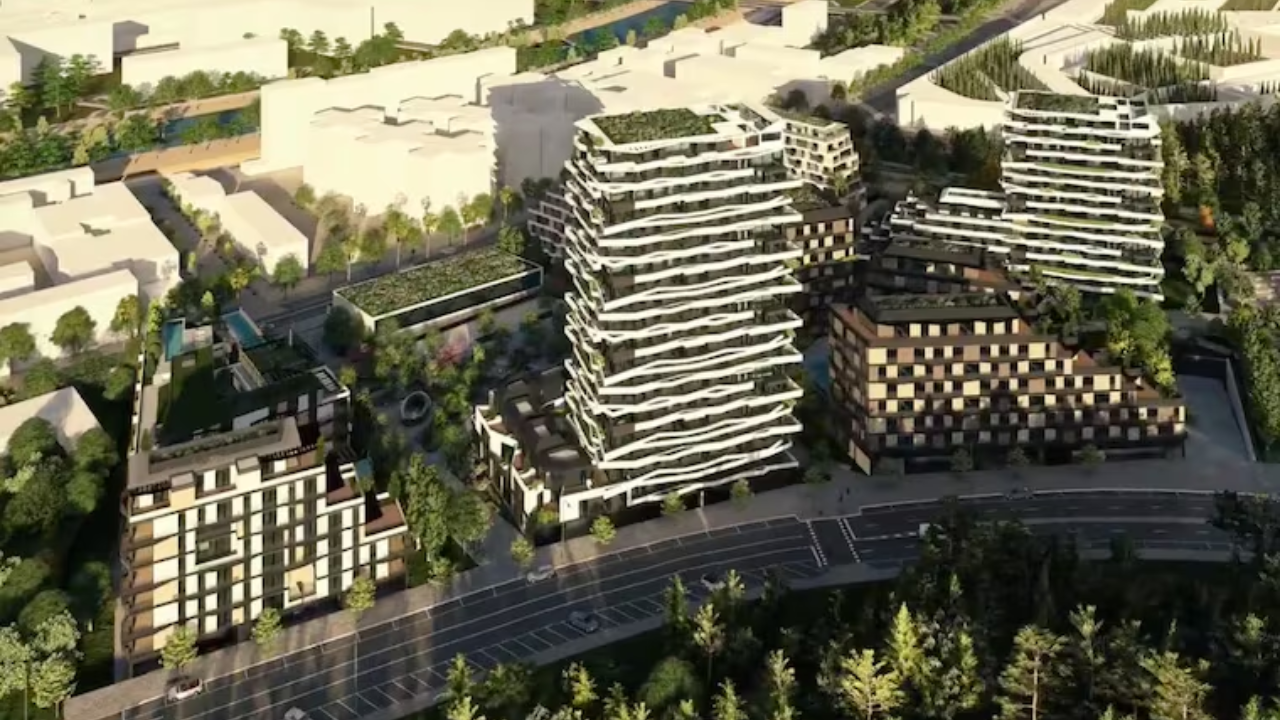
Bulldozers finished carving through the concrete of Madrid's Latina district, wiping away decades of local culture. The sprawling La Ermita shopping and leisure complex is officially gone. What started as a revolutionary 1990s destination for retail, music, and adrenaline is now a massive empty plot awaiting a 77-million-euro residential overhaul.
If you grew up in Madrid, the demolition feels personal. This wasn't just a failed suburban strip mall rotting on the edge of town. It was an eccentric cultural anchor where rock history collided with gasoline and wave pools.
The Golden Era of Aqualung and Go-Karts
Back in the 1990s, developers had wild visions for retail spaces. They didn't just build clothes shops; they built ecosystems. La Ermita featured Spain's first indoor water park complete with a massive wave pool, one of the country's oldest classic bowling alleys, and a high-octane indoor go-kart circuit associated with legendary rally driver Carlos Sainz.
Then came the music. Tucked inside the complex was Aqualung, a legendary mid-sized concert venue that punchy rock fans and indie kids packed for decades. Icons like David Bowie, Iggy Pop, Oasis, Status Quo, and Duran Duran played blistering sets here. It wasn't an arena; it was intimate, sweaty, and loud. When Aqualung shut its doors in March 2006, the writing was already on the wall for the rest of the center.
By late 2024, walking through La Ermita felt like exploring a post-apocalyptic ghost town. Only a rogue gym, a lingering Burger King, the bowling alley, and the karting track kept the lights on amidst shuttered storefronts. The complex bled relevance as modern retail habits shifted toward central high streets and massive suburban hubs elsewhere.
From Concrete Entertainment to Luxury Towers
Private owners bought the site back in 2012 for roughly 16 million euros, knowing full well that the commercial model was expired. Years of bureaucratic battles, community pushback, and urban planning revisions followed. Neighborhood groups argued against the massive influx
Why Madrids La Ermita Mall Had to Die for Housing
business
Cities change whether you like it or not. Huge retail spaces built decades ago often stop making sense once shopping habits shift online and urban land becomes too valuable to waste on empty parking lots. Madrid is living through this exact shift right now. The destruction of the La Ermita commercial center isn't just another real estate deal; it marks the final chapter for a spot that once hosted massive cultural moments before sliding into quiet irrelevance.
If you remember when La Ermita buzzed with crowds, seeing heavy machinery tear it down feels a bit jarring. But cities run on space and money, and right now, Spain's capital needs homes way more than it needs struggling suburban-style retail boxes.
The Rise and Fall of a Madrid Landmark
Back when La Ermita opened its doors along the Manzanares river area, large retail complexes felt like the future. Developers packed these spaces with entertainment venues, arcades, and shops meant to keep families busy for entire weekends. La Ermita managed to pull off some genuinely wild bookings over the years. Rock legend David Bowie once stepped foot inside for promotional events, cementing the venue's place in local pop culture lore long before retail giants started bleeding money.
Motorsport enthusiasts remember a completely different side of the complex. Carlos Sainz, the legendary rallying icon and Formula 1 father, backed indoor karting ventures right there. Young drivers who later hit the global motorsport stage cut their teeth on those tight asphalt tracks tucked inside the entertainment zone.
Yet, cultural heritage doesn't pay the electricity bill. Over time, changing consumer habits, poor foot traffic, and the rise of massive modern shopping centers elsewhere in Madrid left La Ermita half-empty. Stores pulled out. Lights dimmed. What was once a vibrant destination turned into a ghost town with echoing corridors and shuttered storefronts. Real estate investors looked at the decaying concrete and saw wasted square meters in a city crying out for residential inventory.
The 77 Million Euro Residential Pivot
Urban planners didn't hesitate when the redevelopment proposal landed. The entire site is vanishing to make room for 529 new homes backed by a massive 77 million euro investment.
Spain faces a brutal housing crunch, especially in major urban centers like Madrid and Barcelona. Young professionals and families struggle to find apartments near transit lines without spending half their monthly income on rent. Turning a dead commercial graveyard into nearly five hundred living spaces hits the exact problem urban areas face today.
Real estate development on this scale requires clearing massive regulatory hurdles. Environmental clearances, zoning changes, and municipal approvals take years. But once local authorities signed off on turning commercial retail land into residential zoning, the writing was on the wall for the old mall structure. Developers plan to build modern apartment blocks designed to meet current energy efficiency standards, featuring communal areas and layouts that appeal to buyers priced out of central Madrid neighborhoods.
What Urban Redevelopment Tells Us About Modern Cities
You can look at projects like this through a lens of nostalgia or pure economics. Nostalgia loses every time. Cities are organic systems that constantly prune away dead weight to survive. Keeping a decaying shopping center alive out of sentimental attachment makes zero sense when thousands of people need roofs over their heads.
The demolition of La Ermita signals a broader trend across Europe. Outdated retail formats built in the late twentieth century are prime targets for bulldozers. Expect to see more suburban strip malls, aging indoor plazas, and underutilized commercial plots converted into mixed-use residential zones over the next decade.
Cities are pushing for density near transit corridors rather than sprawling retail complexes that require cars. La Ermita sat on prime land near the river, making it an obvious candidate for high-density housing rather than another commercial gamble that would likely fail anyway.
Change is messy, and losing landmarks hurts local history buffs who remember concerts and karting races from decades past. But progress in urban planning usually means trading yesterday's memories for tomorrow's infrastructure. Madrid is betting big that 529 new households bring more life to the neighborhood than a decaying shopping center ever could.