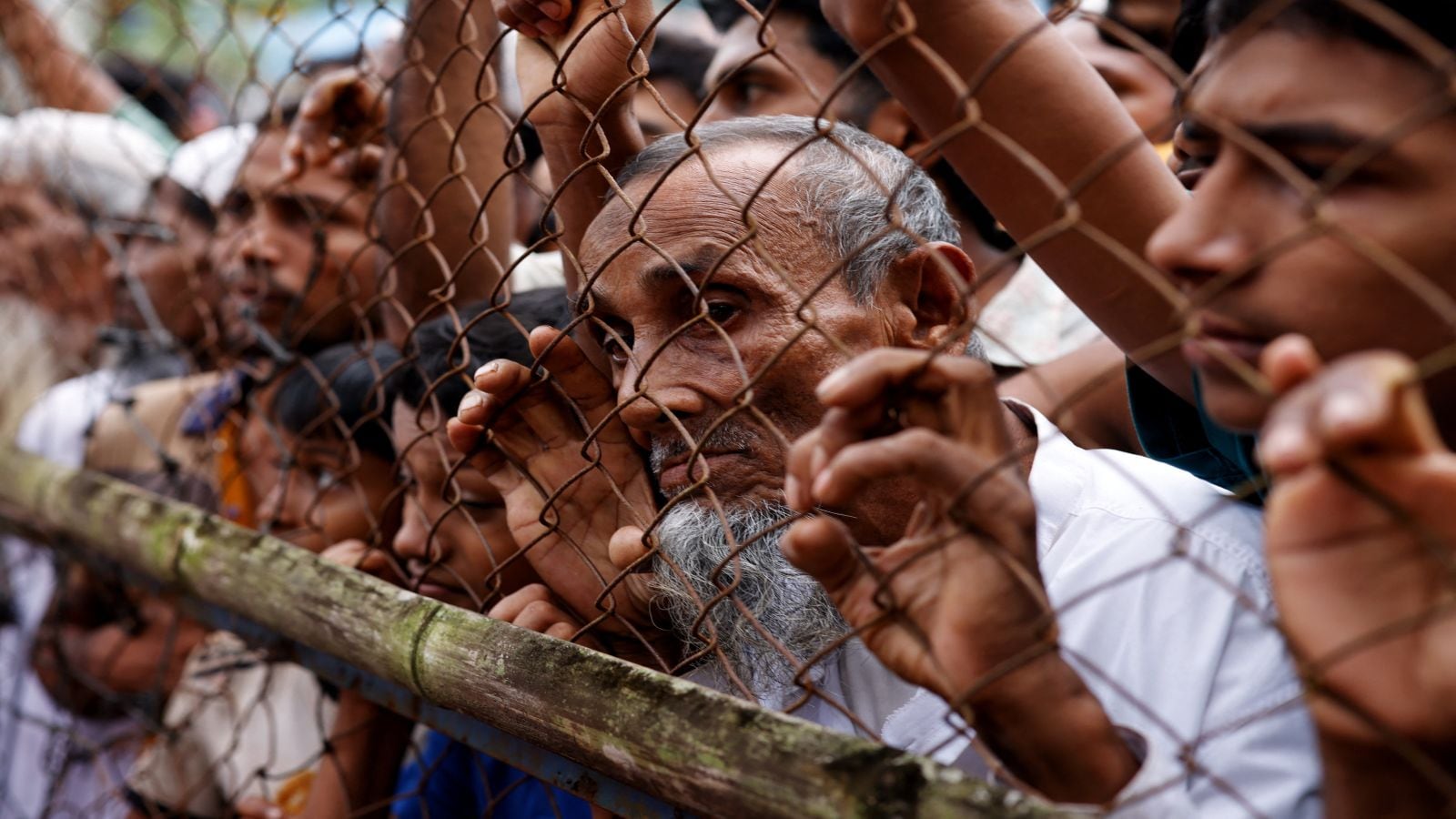
A courtroom verdict in The Hague can name a crime, yet it cannot rebuild a burned village in Rakhine State.
On November 19, 2026, judges at the International Court of Justice ruled that Myanmar committed genocide against its Rohingya Muslim minority. It's a historic moment. For the first time, the world's top court has found a state guilty of breaching the Genocide Convention on the merits. If you're following the Rohingya genocide ruling, though, don't mistake legal vindication for a ticket home. Over a million Rohingya remain displaced in Bangladesh and across the region, and safe return is still miles away.
A court ruling settles historical and legal questions. It doesn't hand refugees keys to safe houses or erase years of armed conflict.
What the Rohingya Genocide Ruling Actually Decided
The case started in November 2019 when The Gambia filed proceedings against Myanmar over military "clearance operations" in northern Rakhine State in 2016 and 2017. Those campaigns drove more than 700,000 Rohingya across the border into Bangladesh amid widespread reports of killings, sexual violence, and arson. Eleven states intervened on legal questions tied to the Genocide Convention.
In its November 19, 2026 judgment, the court found that Myanmar acted with intent to destroy a substantial part of the Rohingya group. Judges pointed to systematic violence—including burning villages and firing on fleeing civilians—as supporting a reasonable inference of genocidal intent rather than a purely counterinsurgent operation.
Let's be clear about how the bench split. This wasn't a unanimous sweep. Key findings passed by narrow majorities, including a 9–6 vote on genocidal responsibility and guarantees of non-repetition. Other parts drew broader backing, such as 14–1 votes on failing to enact domestic legislation giving effect to the Genocide Convention, and a 13–2 vote requiring Myanmar to investigate suspected perpetrators.
Myanmar has two years to report back to the court on steps taken toward restitution and compensation for victims.
That timeline alone tells you plenty. Two years in international law is a blink for legal compliance, and an eternity for families living in bamboo-and-tarpaulin shelters in Cox's Bazar.
Why Returning Home Remains So Distant
Ask any displaced Rohingya family what they want, and "going home safely" comes up fast. Ask aid workers or diplomats when that's realistic, and the answer gets complicated fast.
- Rakhine State is still a war zone. Fighting between Myanmar's military and ethnic armed groups—alongside ongoing displacement and new arrivals into Bangladesh since August 2024—has left much of northern Rakhine unstable, mined, or actively contested. You can't run dignified voluntary returns into an active combat theater.
- Whole communities were wiped out. As legal experts and observers have noted, many Rohingya villages and homes were razed. Returning to scorched earth or military-controlled zones without security guarantees isn't repatriation; it's another trap.
- Citizenship and legal status remain unresolved. For decades, Myanmar's legal system stripped Rohingya of full citizenship and freedom of movement. Without restored legal rights, identity recognition, and protection from renewed abuse, returnees would walk straight back into systemic persecution.
- Enforcement has sharp teeth missing. ICJ judgments are binding on the parties, yet the court has no police force. Non-compliance can be brought before the UN Security Council, where geopolitical vetoes and competing interests frequently stall enforcement.
Naypyitaw has already pushed back, calling the decision unfair and pointing to the split vote among judges. When a government rejects the premise of a ruling right out of the gate, voluntary cooperation shouldn't be anyone's baseline assumption.
Inside the Camps While Diplomacy Stalls
While legal scholars debate precedents and future cases at The Hague, life inside Bangladesh's camps is shrinking to bare survival.
More than one million Rohingya live across densely packed settlements in Cox's Bazar, where monsoon landslides, fires, and crowding are constant hazards. Funding shortfalls have hammered basic assistance. Refugees and humanitarian reports in 2026 highlight families stretching food support to roughly $7 per person a month—mostly rice and lentils—while fresh vegetables, protein, and steady income remain out of reach for many households.
Honest truth—most people outside humanitarian circles tune out between major headlines. Then a verdict hits, everyone looks up, and a week later funding gaps and camp hunger slip back into the background.
That gap between legal milestones and day-to-day camp reality is where crises fester. Desperation pushes some refugees onto hazardous sea routes or into exploitation networks when aid falls short and legal pathways are blocked. Meanwhile, Bangladesh—itself facing severe climate pressures and hosting over a million refugees—continues pressing international partners for burden-sharing and credible steps toward safe return.
Broader Ripple Effects Beyond Myanmar
This ruling isn't just about Rakhine State. Because it's the first merits judgment finding state genocide at the ICJ, international lawyers and governments are dissecting every line of the reasoning.
Commentators have already pointed to how the court evaluated genocidal intent alongside alternative military explanations, noting potential implications for other high-profile genocide proceedings before the court, including South Africa's case against Israel. At the same time, domestic and universal-jurisdiction efforts—such as arrest warrants previously issued in Argentina—show that accountability is moving on multiple tracks, even when progress is slow and uneven.
Still, legal precedent doesn't feed a child in Camp 20 or guarantee safe schooling inside a refugee settlement. It gives advocates, prosecutors, and survivors stronger leverage. Turning leverage into real protection takes years of gritty political pressure and sustained money.
Practical Next Steps If You Want to Help or Stay Informed
If you're following this story because you care about human rights, international law, or humanitarian response, don't stop at a single headline. Here's how to put your attention somewhere useful:
- Track primary court and humanitarian updates. Read official filings and summaries from the International Court of Justice, field reporting from Human Rights Watch, and operational updates via the UNHCR Operational Data Portal rather than relying on recycled summaries.
- Support verified food, shelter, and education programs. Look directly at established humanitarian appeals for Cox's Bazar—such as the World Food Programme, UNICEF, UNHCR, and Doctors Without Borders—where food assistance, child protection, and healthcare are actively strained by funding gaps.
- Watch repatriation conditions, not just repatriation pledges. Any talk of "safe and voluntary return" should be judged against concrete benchmarks: verified security on the ground, independent monitoring access, clear citizenship and legal protections, and genuine choice for refugees—never forced returns.
- Press representatives on sustained aid and diplomatic follow-through. If you live in a country involved in UN diplomacy or humanitarian funding, ask lawmakers how they plan to back ICJ compliance, protect refugee livelihoods and education, and support fair resettlement pathways.
Justice on paper is a milestone worth marking. Real safety for the Rohingya will be measured on the ground, long after the cameras leave The Hague.


