When the Future Investment Initiative Institute announced it was pulling the plug on its milestone tenth edition of "Davos in the Desert," international business circles stopped scrolling. The high-profile gathering, originally booked for October 26 to 29 in Riyadh, is now delayed until 2027. Organizers pointed to ongoing security volatility driven by escalating Houthi missile and drone strikes targeting the Saudi capital.
For years, this annual conference functioned as the premier stage where Wall Street heavyweights, tech titans, and global sovereigns mingled under desert suns to pitch mega-projects like NEOM. Now, real-world conflict has punctured the corporate bubble. Meanwhile, you can read other events here: What The Recent Imf And World Bank Meetings Actually Mean For Your Money.
The Breaking Point Behind the Riyadh Postponement
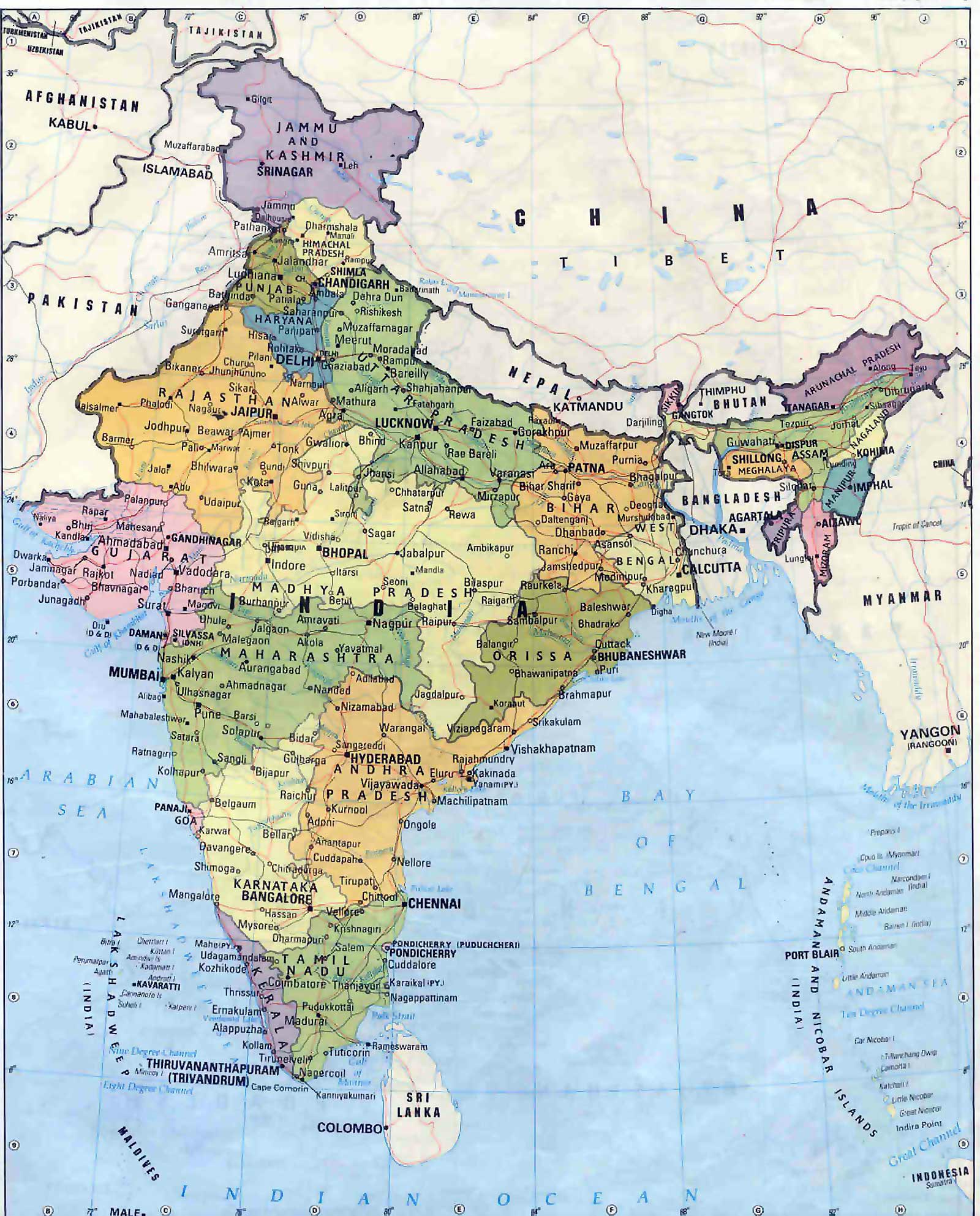
Security realities finally caught up with boardroom optimism. Over recent weeks, intensified attacks by Iran-backed Houthi militants struck core Saudi infrastructure, including a deadly missile strike near Riyadh’s King Khalid International Airport. When international executives weigh whether to fly across the globe for a financial summit, ballistic threats tend to clear out the RSVP list pretty quickly.
FII Institute chief executive Princess Dr Maha Bint Mishari Al Saud made it clear that the milestone tenth anniversary deserved the full, uncompromised scale originally planned. But beneath the corporate messaging lies a nervous reality. Government offices in Riyadh and major corporate towers in the King Abdullah Financial District shifted staff to remote work models as regional tensions flared. You can't host a billion-dollar networking gala while air defense batteries are active overhead. To see the bigger picture, check out the recent analysis by Harvard Business Review.
Ripple Effects on Saudi Economic Ambitions
Vision 2030 relies heavily on steady foreign direct investment to fuel non-oil diversification. Global leaders like JPMorgan Chase CEO Jamie Dimon, Citigroup CEO Jane Fraser, Goldman Sachs CEO David Solomon, and BlackRock chief Larry Fink had been slated to speak. Postponing the event until next year creates an awkward pause for deal-makers who depend on face-to-face handshake agreements in the kingdom.
Yet, Saudi officials are betting that patience protects prestige. Rushing a marquee event during an active security crisis risks low turnout and distracted participants. By hitting pause, organizers preserve the elite status of the summit. Existing registrations and corporate partnerships remain valid, signaling that Riyadh views this as a temporary weather delay rather than a permanent structural retreat.
What Investors Should Watch Next
Markets hate uncertainty, but they adapt fast. If you're managing exposure to Middle Eastern markets, keep your eyes on two key indicators over the coming months:
- Regional Security De-escalation: Watch for meaningful diplomatic breakthroughs or diminished drone activity over Saudi airspace that would allow a safe return to regular conference scheduling.
- Alternative Deal Pipelines: Notice how private bilateral meetings are shifting to digital formats or alternative regional hubs while Riyadh secures its airspace and reassures foreign partners.
The desert hasn't run out of capital, but it's taking a mandatory timeout to reset its defenses. Expect a harder push for domestic and regional synergy when the summit finally reopens its doors in 2027.