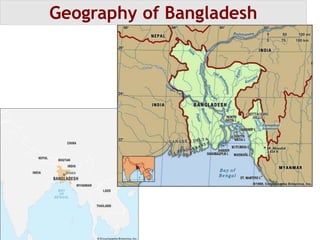
Dozens of homes and shops went up in flames in Bangladesh's Narail district on Friday, and honestly, it feels like a match dropped into a powder keg that has been waiting to blow for months.
The immediate trigger was clear enough on the ground. Two leaders affiliated with the Bangladesh Nationalist Party (BNP) were killed earlier in the week after an attack on a motorcycle procession in Kalia upazila on November 18. By Friday afternoon, anger spilled over into Bendar Char village, where mobs vandalized, looted, and set fire to properties linked to members of the Awami League, whose activities remain banned.
If you only read short wire summaries, you might walk away thinking this was just another isolated village clash between rival party thugs. That misses the bigger picture. What happened in Narail sits right at the intersection of street-level vengeance, a fragile ruling government under Prime Minister Tarique Rahman, and the looming shadow of former Prime Minister Sheikh Hasina's vowed return from India in December.
What Actually Happened in Narail and Why the Numbers Vary
Even basic details from the scene in Bendar Char village show how messy and contested information becomes during unrest. Different authorities and outlets reported different counts of damaged structures. Fire service figures cited by the Dhaka Tribune pointed to more than 50 residential structures gutted across roughly 20 to 25 homesteads, along with shops burned at Bardia Bazar. The Daily Star reported 40 houses burnt in Bendar Char, while Prothom Alo reported nearly 30 houses set ablaze. Meanwhile, Kalia Upazila Executive Officer Md Jinnatul Islam gave a lower estimate of 15 to 20 houses vandalized and five to six set on fire.
Why do those numbers swing so wildly right after an attack? Because fires burn across scattered homesteads, smoke and chaos delay immediate headcounts, and officials and reporters often tally slightly different units—individual rooms or outbuildings versus whole homesteads. Whenever you read early crisis reporting from rural Bangladesh, treat the first 24-hour damage count as a moving estimate rather than a final ledger.
Among the properties targeted in Bendar Char were the ancestral home of former Awami League lawmaker BM Kabirul Haque Mukti and the residence of former Kalia municipality mayor Fakir Mushfiqur Rahman Liton, alongside homes and shops of other party figures and local residents. Villagers told The Daily Star that livestock, household goods, and small livelihoods were wiped out. One resident, Adori, lost a small grocery shop funded by her sons working in Saudi Arabia along with her cows, chickens, ducks, and pigeons. Another resident, Ruma Parvin, said her family fled with a sleeping toddler toward a paddy field and questioned why their home was burned when her brother had worked abroad for 25 years with no tie to politics.
That detail matters. Retaliatory arson rarely stops neatly at political targets. Neighbours, extended families, and apolitical households get caught in the blast radius.
Blame, Denials, and Viral Misinformation
Every side in this cycle has a reason to spin what happened.
Local BNP leaders denied organizing or taking part in the Kalia arson. Kalia upazila BNP General Secretary SM Wahiduzzaman Milu rejected allegations of party involvement and pushed back against social media claims that more than 200 houses were attacked. Narail Superintendent of Police Mohammad Al Mamun Sikder stated that an agitated crowd—including relatives of the two slain BNP leaders—gathered on Friday afternoon and targeted houses belonging to Awami League activists allegedly tied to Wednesday's deadly attack, adding that police moved in and brought the situation under control.
At the same time, a fierce information war broke out online. Viral posts on Facebook claimed Hindu homes and businesses in Bendar Char had been targeted in a communal attack. Both Narail police and The Daily Star reporting on the ground found no Hindu households or businesses attacked in Bendar Char village, with police stating there were no Hindu settlements in the affected area and accusing banned Awami League supporters of circulating old clips and AI-generated videos to damage the government's standing at home and abroad.
Let's be real about how social media behaves during political crises in South Asia. Misinformation spreads faster than police press releases. Sometimes false communal framing is pushed deliberately to inflame tensions or attract international attention; other times, real footage from one district or an older incident gets recycled with a new caption. Either way, if you rely on unverified social media feeds instead of ground reporting and official statements, you're going to get misled.
Why This Isn't Just a Local Feud in Kalia
To understand why retaliatory attacks in Narail hit a nerve across the country, you have to zoom out. Bangladesh has been living through turbulent political realignment since Sheikh Hasina was ousted in the August 2024 student-led uprising, followed by Muhammad Yunus's interim administration, Hasina's November 2025 death sentence in absentia over the 2024 protest crackdown, Parliament's April 2026 statutory backing for restrictions on Awami League activities, and Tarique Rahman's BNP-led government taking office.
Late November 2026 is a pressure cooker for three big reasons:
- Hasina's December return vow: Sheikh Hasina, living in India since August 2024, has repeatedly stated she plans to return to Bangladesh in December despite facing arrest and legal proceedings. After Dhaka rejected her legal team's push for a fresh passport and national identity card—insisting she be brought back under the extradition treaty with India—the Awami League called protests and lockdowns that turned violent in multiple districts.
- Tit-for-tat escalation: The week's violence wasn't one-sided. Reports noted clashes, arson, crude bombs, attacks on police and lawmakers' property, a bus helper burned alive in Pirojpur, and killings involving BNP-affiliated figures in Narail and Faridpur before the Bendar Char retaliatory blaze. Once lethal attacks happen on the street, revenge mobs treat due process like a luxury they can't afford.
- Strain on state authority: Prime Minister Tarique Rahman warned at a Lalmonirhat rally that "enough is enough" and promised a firm answer to terrorists, arsonists, and killers, while authorities deployed 96 platoons of Border Guard Bangladesh (BGB) across districts. Yet when crowds can still mobilize for hours on a Friday afternoon and burn dozens of structures before containment takes hold, it shows how hard it is for security forces to police deep-seated local grievances everywhere at once.
What Most Coverage Misses About Retaliatory Politics
A lot of commentary treats political violence in Bangladesh as a simple tug-of-war between two dynasties or two big parties. Kinda lazy, honestly.
In rural districts like Narail, local politics is tangled up with land disputes, neighborhood rivalries, control over local markets, and personal scores that predate any single national speech. When a party's activities are banned and tensions flare nationally, local actors often use the political banner to settle old scores or punish rivals—while ordinary families like Adori and Ruma Parvin pay the price with burnt roofs and lost savings.
There's also a hard governing dilemma for Tarique Rahman's administration. If the government responds too softly to arson and mob revenge, law and order looks weak right ahead of December. If security crackdowns are heavy-handed or perceived as partisan, critics at home and abroad—and diplomatic friction with New Delhi over Hasina and extradition—will only intensify.
How to Track This Story Without Getting Played
If you're following developments in Bangladesh over the coming weeks, a few practical habits will save you a lot of confusion:
- Cross-check damage figures across multiple outlets: Compare fire service tallies, local administration statements, and ground reporting from established Bangladeshi outlets like The Daily Star, Dhaka Tribune, and Prothom Alo rather than trusting a single viral number.
- Separate local retaliation from broader claims: Check whether reports of property destruction or communal targeting are backed by on-the-ground verification or contradicted by local witnesses and police findings.
- Watch official security and diplomatic moves: Track BGB and police deployments, court filings and arrests connected to specific incidents, and official statements from Dhaka and New Delhi ahead of December.
- Demand independent accountability: Real stability takes more than show-of-force patrols—it requires impartial investigations into both the initial killings and the retaliatory arson so families don't feel forced to take justice into their own hands.