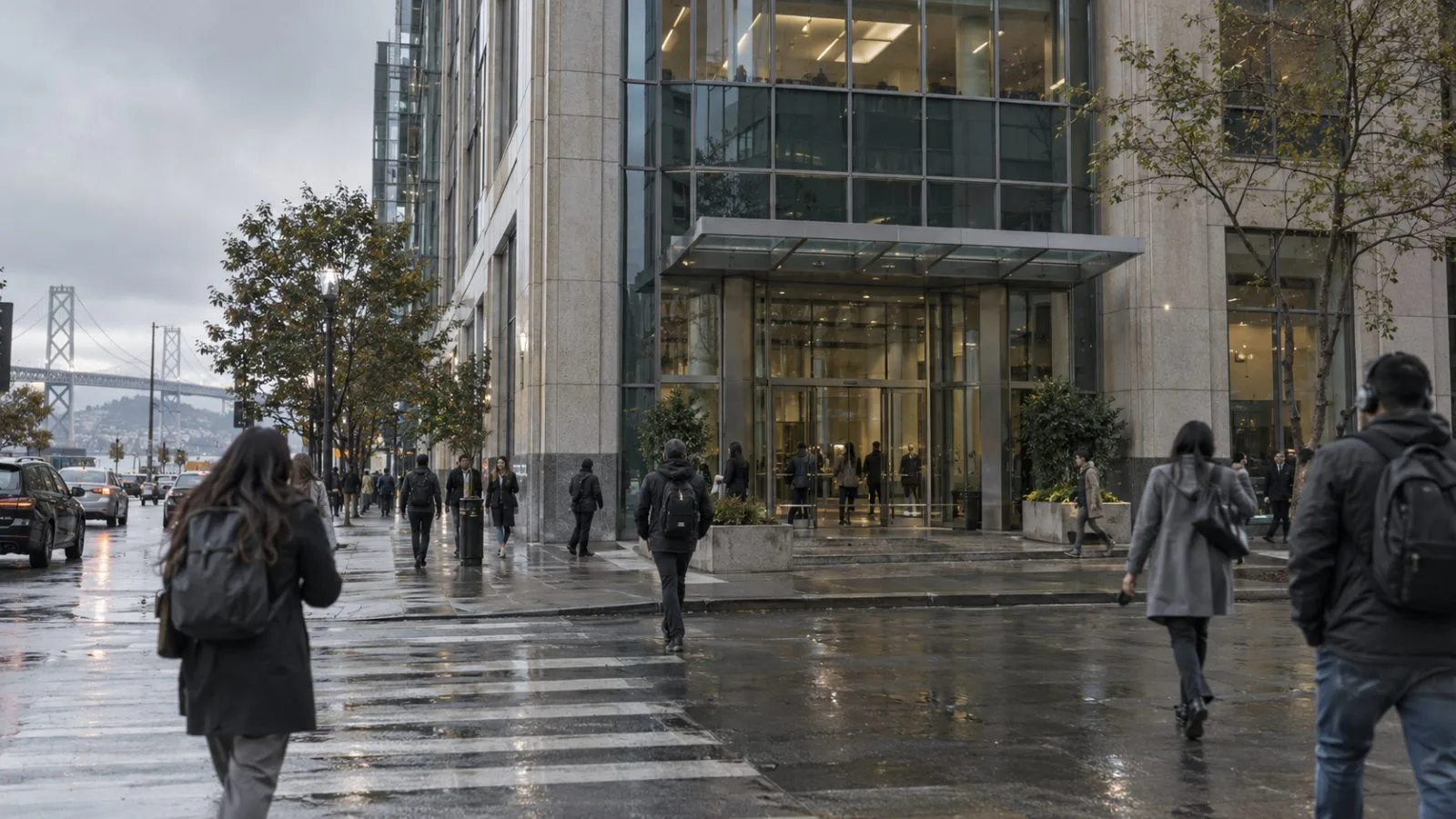
Walk into certain high street stores right now and an invisible digital eye is already scanning your face. Retailers are spending thousands of pounds a year on automated security systems, hoping to catch thieves before they can even pocket an item. Shoplifting numbers have surged past pre-pandemic levels, and traditional security guards simply cannot handle the volume. Store owners feel abandoned, so they are taking matters into their own hands.
Private companies like Facewatch supply algorithms that turn live CCTV feeds into instant biometric watchlists. When someone flagged as a repeat offender walks through the automatic doors, an alert pings directly onto a staff member's phone. Proponents argue this gives businesses their power back, stopping crime on the front foot. Critics, however, call it a dystopian nightmare that bypasses due process and turns high streets into surveillance zones.
How Retail Facial Recognition Actually Operates
The setup looks deceptively simple. Standard security cameras are hooked up to specialized software. The moment a customer steps inside, the system maps their facial features and compares those coordinates against a database of known local offenders.
If there is a match, store workers get a notification within seconds. They can then approach the individual, ask them to leave, or monitor them closely. Business owners defending these steep costs point out that police response times are too slow for retail theft. When local forces lack the resources to investigate stolen goods, store managers view automated alerts as a necessary line of defense.
Yet the technology creates massive friction regarding privacy rights. Unlike airport security or high-security government facilities, retail stores are public spaces frequented by ordinary families, teenagers, and elderly shoppers who never consented to having their biometric profiles processed.
When the Algorithm Gets It Wrong
Technology fails, and human error compounds those failures. Privacy groups and civil liberties watchdogs have documented multiple instances where innocent shoppers were wrongly flagged as thieves.
Teenagers and community workers have been publicly ejected, accused of crimes they did not commit, and banned from shopping centers based entirely on a software misidentification. Imagine walking in to buy groceries and suddenly finding yourself surrounded by staff, treated as a criminal, and told you are barred from entering the premises. The psychological toll on wrongly accused individuals is severe, leaving many anxious about simply walking down their local high street.
Studies and civil rights groups also point out that facial recognition software frequently struggles with higher error rates when identifying people of color. When a flawed algorithm misidentifies someone, the burden of proof instantly flips. Instead of security proving guilt, the innocent shopper has to prove their innocence on the spot.
The Legal Gray Area and Future Regulations
Commercial facial recognition sits in a strange legislative blind spot. While government bodies insist that private companies must comply with existing data protection laws, there is a distinct lack of specific, tailored regulation governing how these watchlists are built, who populates them, and how long data is retained.
Campaigners continue to push for outright bans, comparing the rapid proliferation of private biometric tracking to authoritarian surveillance states. Meanwhile, major supermarket chains and independent shops are doubling down, expanding deployment to hundreds of new locations.
Retailers face a genuine crisis of stolen merchandise, but rushing headfirst into unregulated biometrics creates civil liberties risks that society may regret later. The rush for security shouldn't cost everyday shoppers their presumption of innocence.
Stop treating surveillance as a harmless convenience. Demand transparency from local stores about whether your biometric data is being captured and stored without your consent.
Watch the BBC investigation into AI anti-shoplifting technology
This report details how reporters tested retail facial recognition systems on the ground to see how quickly the technology flags individuals.