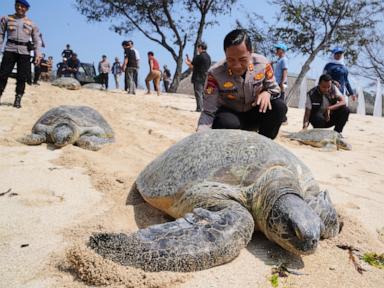
Twenty endangered green sea turtles are back where they belong. Indonesian authorities recently released the rescued reptiles into the wild after police thwarted a smuggling operation off the coast of Bali. While headlines focus on the heartwarming release, the reality of black market wildlife trade in Southeast Asia demands a much closer look.
Let's dive into what's actually happening beneath the surface of Indonesia's conservation efforts.
The Brutal Reality of Green Sea Turtle Poaching
If you think illegal wildlife trafficking is just about exotic pets, you're missing the bigger picture. Green sea turtles (Chelonia mydas) face relentless pressure globally. According to research from Arizona State University, green sea turtles accounted for over half of all documented sea turtle killings across a thirty-year span leading up to 2020.
Bali has long functioned as a primary hotspot for this illegal commerce. Historically, turtle meat played a specific role in cultural and religious traditions across the island. But modern commercial demand has turned an ancient practice into an industrial-scale poaching ring. Poachers hunt these creatures for meat, oil, leather, and decorative shells.
When marine police intercepted an unmanned boat off Serangan Island recently, they found twenty-two living, breathing turtles crammed inside. The suspects had already fled, leaving the marine animals behind. Out of that group, twenty healthy animals made their triumphant return to the ocean waves.
How Indonesia Protects Marine Life on Paper Versus Reality
Indonesia has maintained strict laws for decades. Conservation and fisheries regulations have protected sea turtles since 1990. A specialized Environment Ministry framework in 2018 reinforced protections for all six marine turtle species dwelling in Indonesian waters. Commercial trade is entirely illegal.
Yet enforcement remains an uphill battle. Smugglers use isolated coastlines, hidden coves, and nighttime transport to bypass patrols. Police and conservation agencies rely heavily on tips from local fishermen and coastal residents who spot unusual boat activity.
Officer statements during recent operations highlight a blunt frustration. Law enforcement isn't just trying to catch couriers; they want to dismantle the financial networks funding these operations.
What You Can Do to Stop Marine Wildlife Trafficking
You don't have to live in Indonesia to make a difference for sea turtles. Consumer habits drive the global black market.
- Never buy shell souvenirs. Tortoiseshell items—often made from hawksbill or green sea turtles—still show up in tourist markets across the globe. Refuse to purchase them.
- Avoid turtle meat and eggs. If you travel to regions where sea turtle products are sold as local delicacies, skip them entirely. Demand dictates supply.
- Support grassroots marine sanctuaries. Organizations working on the ground in Bali and surrounding islands need resources to rehabilitate injured wildlife and patrol nesting beaches.
The ocean is safer today for twenty more swimmers. But until the black market dries up for good, conservationists will keep fighting the tide.
Indonesia releases 21 rescued green sea turtles into Bali waters
This video provides visual context on how Indonesian authorities safely transport and release rescued green sea turtles back into their natural ocean habitat.