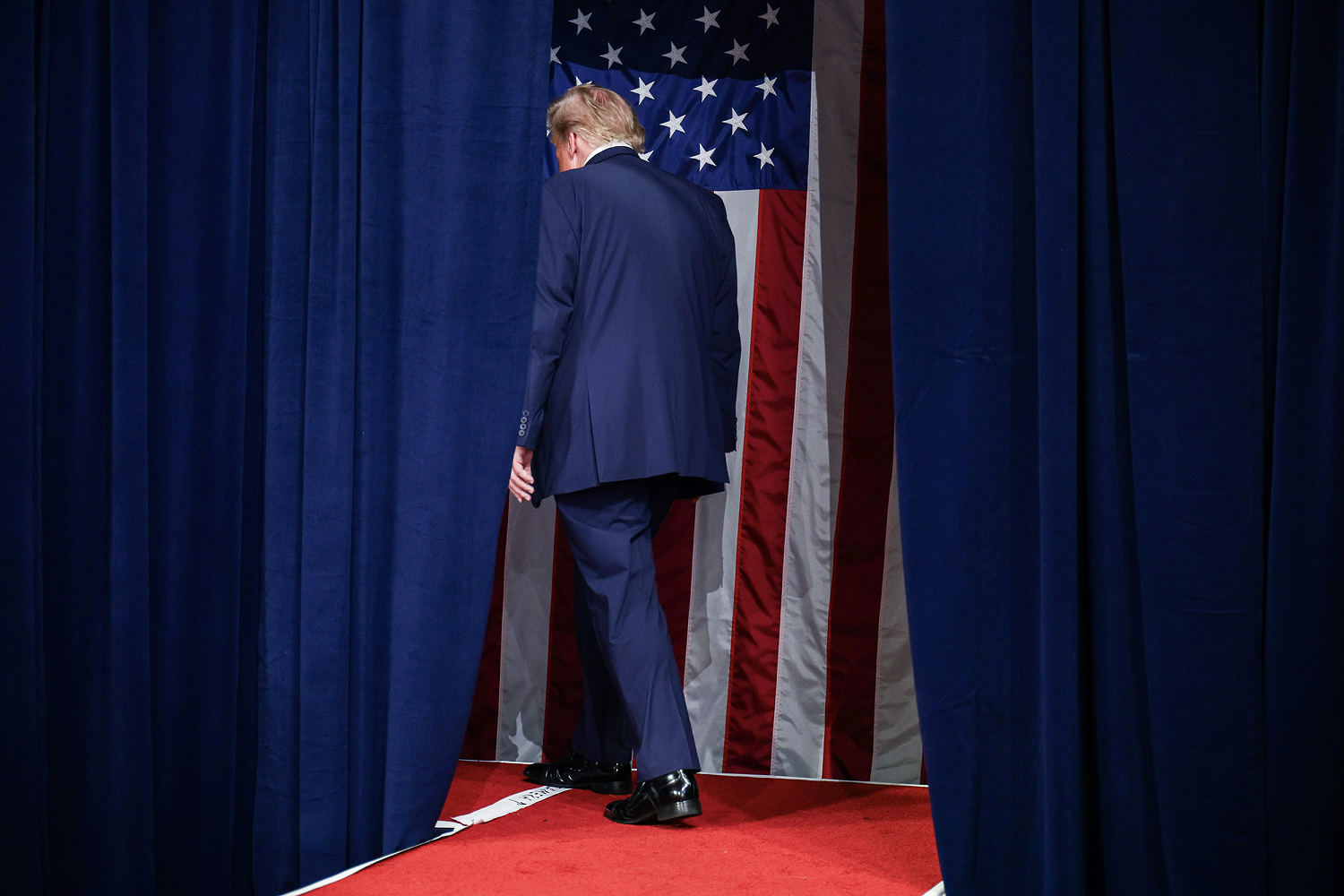
The political math of the 2026 midterms wasn't subtle. Voters handed Democrats control of both the House and the Senate, leaving the GOP scrambling to explain why a map that once looked promising turned into a historic blue wave. Yet, instead of confronting the root cause of the blowout head-on, prominent Republican lawmakers spent election week tiptoeing around Donald Trump, caught in the eternal party trap of trying to appease a powerful base while quietly acknowledging reality.
The Cost of Silence and Loyalty
If you talk to political strategists off the record, the diagnosis of the 2026 defeat is straightforward. Voters rejected a combination of inflation fatigue, unpopular foreign policy choices like the military intervention involving Iran, and candidates picked purely for personal loyalty rather than electoral viability. Texas saw seismic shifts, including high-profile losses where local Republican figures faced harsh rejections. Even figures like Senator Ted Cruz didn't mince words, calling the results a severe repudiation and noting that ordinary voters cared deeply about the skyrocketing cost of living while Washington insiders looked the other way.
Yet inside the halls of Congress, the public commentary sounds entirely different. Lawmakers know that blaming Trump directly triggers an immediate civil war within the party base. So, they walk a tightrope. They point fingers at weak candidate selection, faulty local strategy, or campaign execution, carefully avoiding the man whose endorsements shaped the very ticket that collapsed.
Pointing Fingers in All Directions
Donald Trump himself wasted little time setting the narrative. From his perspective, the losses had nothing to do with his policies or his shadow over the ticket. He quickly took to social media to argue that he wasn't on the ballot, claiming things would have turned out differently if he had run directly, while even labeling long-standing figures like Texas Governor Greg Abbott as a "RINO" after shocking state-level defeats.
Meanwhile, surrogates and cable news allies split into camps. Some insisted the administration's agenda was rock solid and blamed external media bias, while others, like Vice President JD Vance, pointed straight at foreign entanglements like the Iran conflict as a major drag on voter enthusiasm. This fractured response reveals the core paralysis gripping the party right now. Nobody wants to own a failure that spans every level of government, but nobody wants to risk the wrath of the party's undisputed leader by telling him the truth.
What Comes Next for the GOP
The party now faces a brutal choice ahead of the 2028 cycle. You can't fix a problem if you're too afraid to name it. Pretending that a historic wave of voter anger was merely a local communications glitch won't win back suburban districts or fix deep-seated economic anxieties. Until conservative leaders decide whether loyalty to a single individual matters more than winning elections, the Republican blame game will keep spinning in circles.
Why Republicans Lost the 2026 Midterms
This video explores how political analysts and news networks dissected the unexpected shifts and messaging missteps that led to the sweeping congressional losses for the Republican Party.