Writing the truth under fire costs lives every single day. If you think modern journalism is just sitting behind a desk or hosting a podcast, look closer at the front lines of Gaza, where bearing witness has turned into a fatal hazard[cite: 1].
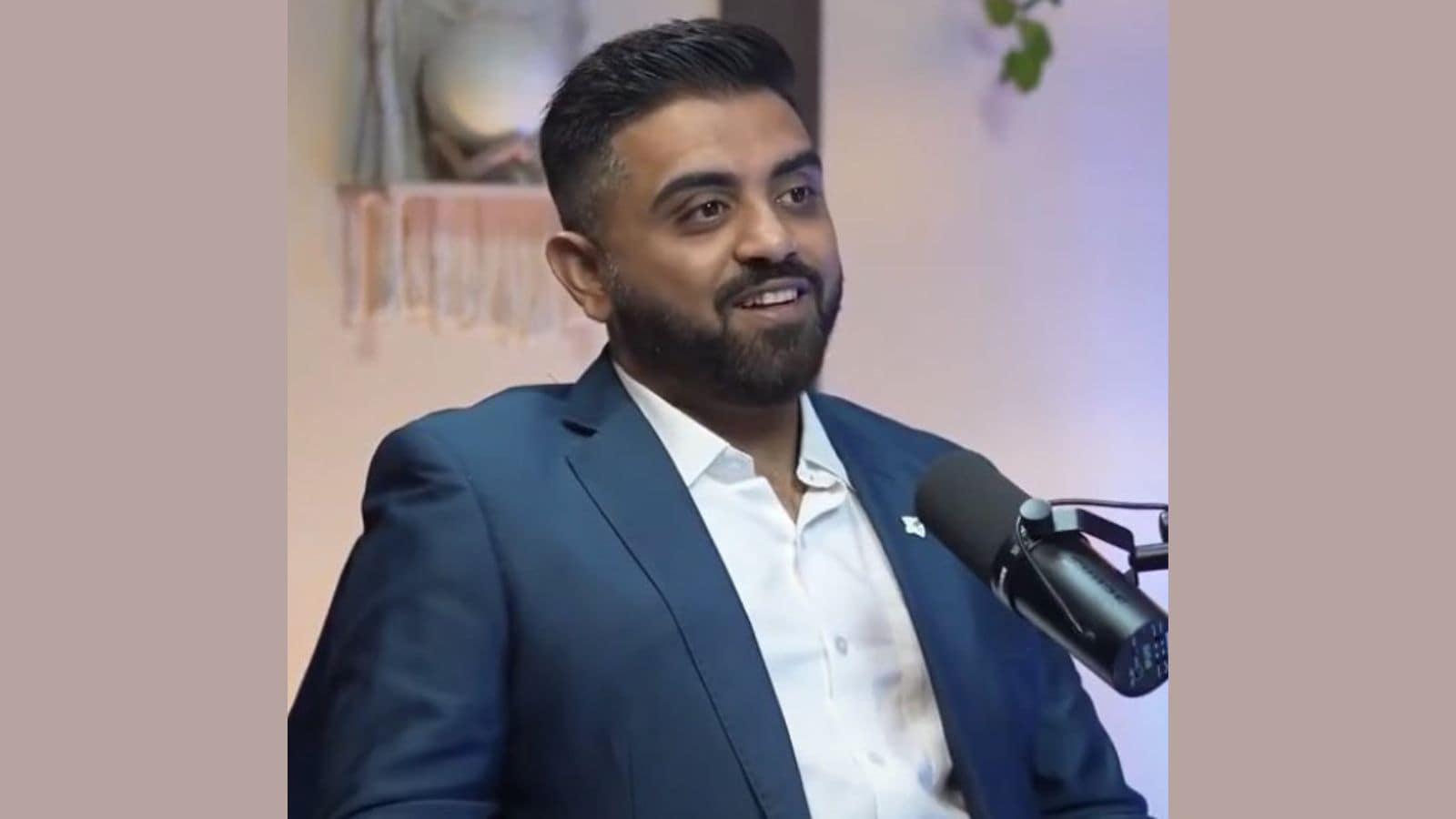
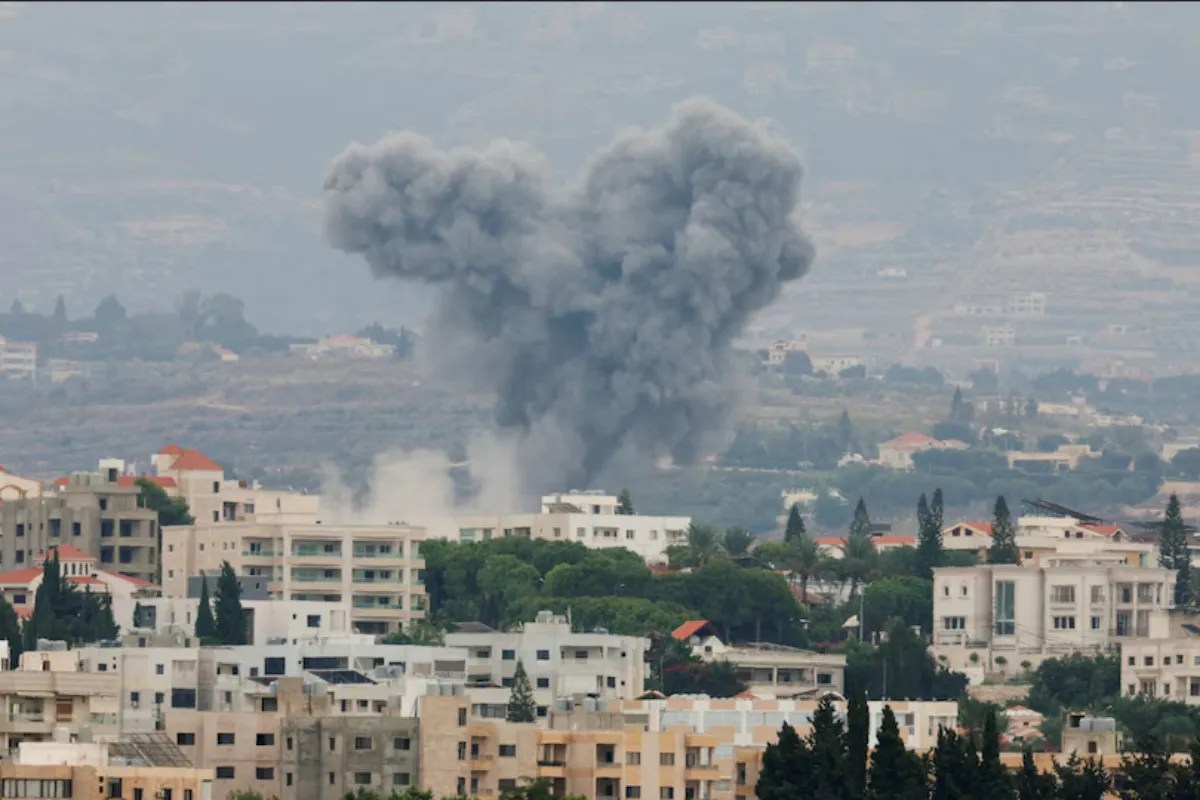
Another journalist has fallen[cite: 1]. Mohammed al-Najjar lost his life during an Israeli drone strike in the al-Mawasi area, located north of Khan Younis, according to reports from the Nasser Medical Complex[cite: 1]. It's a grim reminder that cameras, press vests, and media credentials offer zero protection when missiles start dropping.
The Cost of Truth in a Warzone
Let’s talk numbers because they expose the brutal reality of this conflict. According to data compiled by groups like the Committee to Protect Journalists (CPJ), more than 100 media workers lost their lives in the first phase of the war following October 7, 2023[cite: 1]. Government media offices inside Gaza place that cumulative death toll significantly higher, estimating over 260 journalists and media personnel killed as of late 2026[cite: 1].
Every single casualty represents a voice silenced, a story left untold, and a family shattered. When independent reporting vanishes, propaganda wins. That's why local reporters stay behind, refusing to evacuate even when survival odds plummet.
The Official Stance Versus Ground Reality
Why does this keep happening? The international community watches in horror, demanding answers. Public outcry mounts with every fallen reporter, intensifying global pressure on governments involved[cite: 1].
Israel maintains that its military does not intentionally target journalists or media personnel[cite: 1]. The official narrative argues that individuals caught in crossfires or identified among casualties sometimes maintain ties with militant factions like Hamas, or operate alongside armed groups during active combat[cite: 1]. Critics and press freedom organizations fiercely dispute these claims, pointing out that wearing clear press insignia should guarantee immunity under international humanitarian law.
When you dig into the mechanics of reporting from a heavily blockaded zone, standard safety protocols fail completely. There are no secure press rooms, no embedded armor units protecting independent crews, and no safe zones left.
What This Means For Future Conflicts
The death of Mohammed al-Najjar isn't an isolated tragedy. It’s part of a systematic erasure of independent documentation in active combat zones. When local journalists can't work safely, the world loses its eyes and ears on the ground.
Protecting the press shouldn't be an afterthought. If you care about transparency, you need to look beyond the official press releases and acknowledge the blood spilled by those dedicated to bringing you the raw truth. Don't look away.