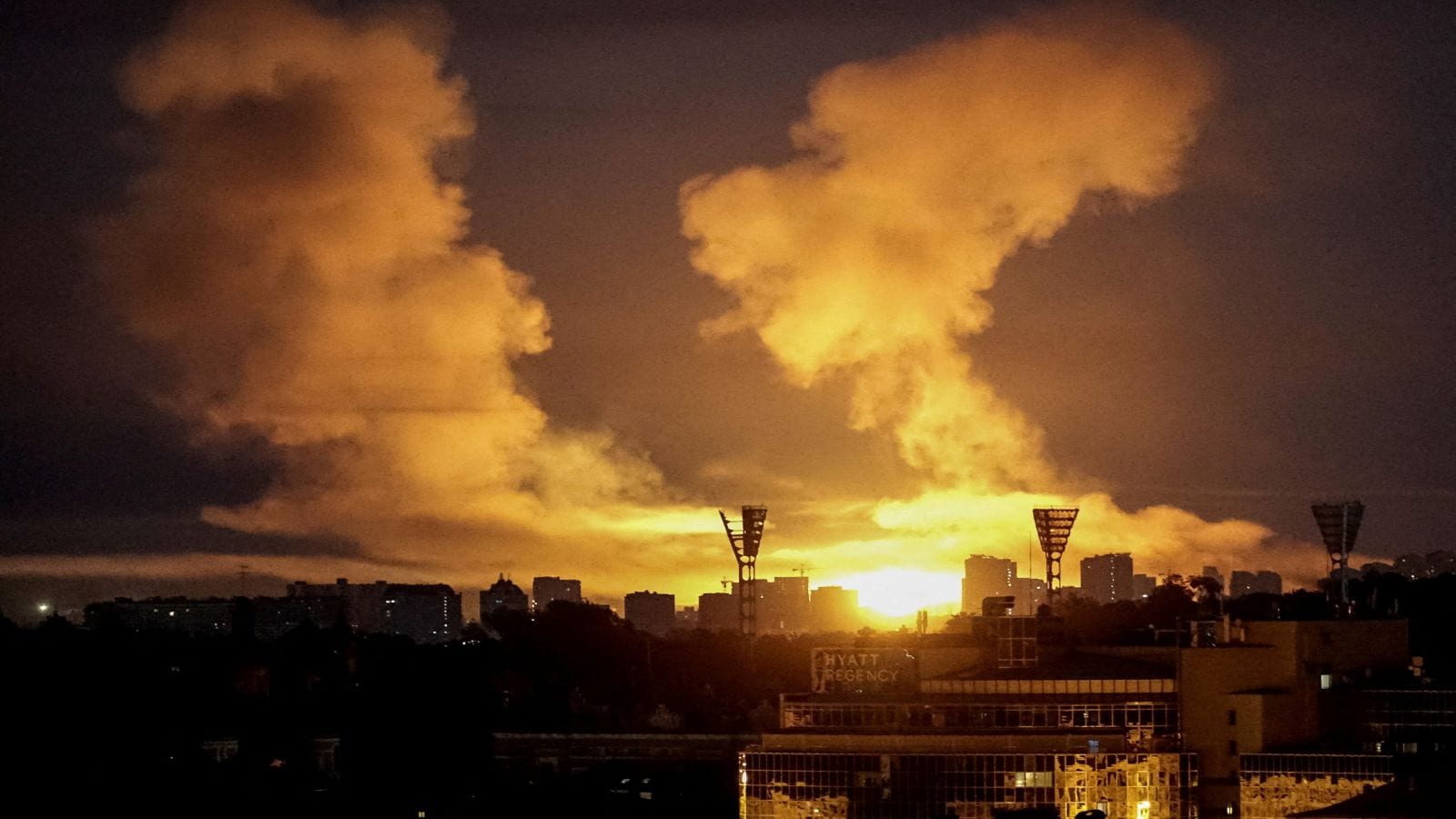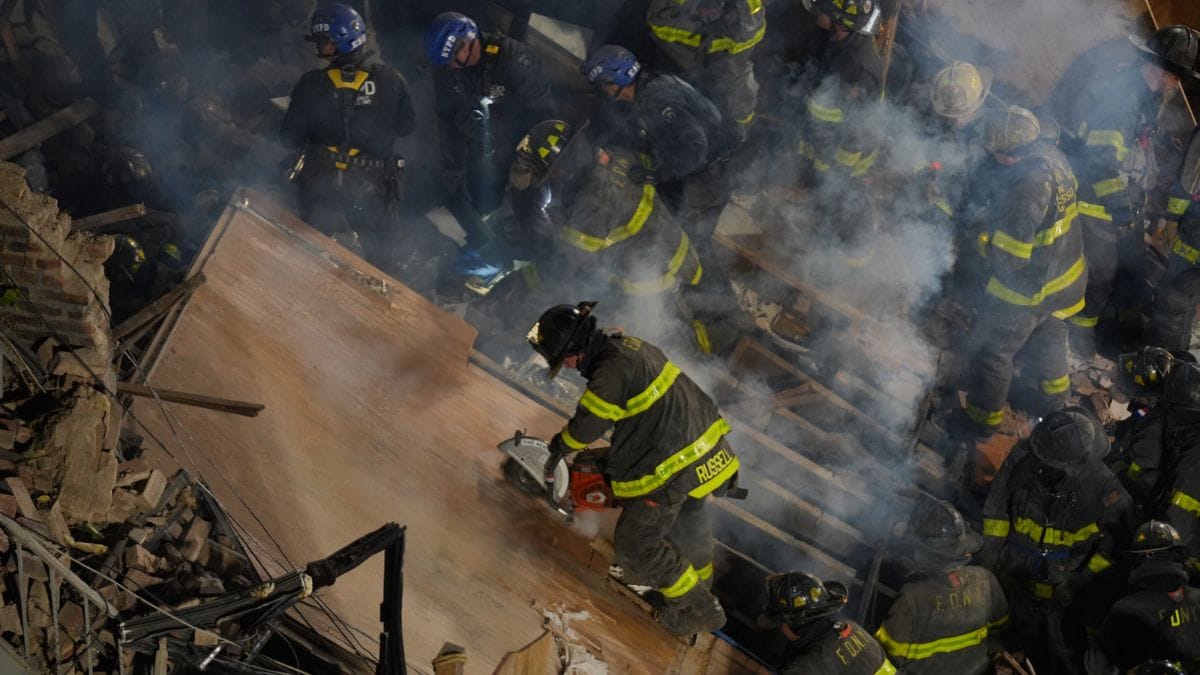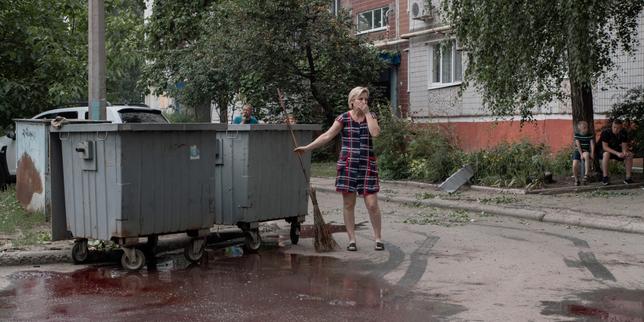
War photography isn't about capturing clean snapshots from a safe distance. It's about bearing witness to human suffering while bullets fly overhead and drones hunt targets in real time. French photojournalist Antoni Lallican understood this risk better than most. He spent years documenting the brutal realities of the conflict in eastern Ukraine until a fatal drone strike cut his life short in October 2025 at just 37 years old. Today, his enduring legacy lives on through his visual records and commemorative works like Le soleil de l’Ukraine se lève dans le Donbass, ensuring his camera's lens remains open to the world.
The Man Behind the Lens in the Donbass
Antoni Lallican didn't parachute into conflict zones for a quick headline and a hasty exit. From the very first days of the full-scale Russian invasion in February 2022, he stationed himself on the front lines, embedding with local communities and military units across the Donbass. Working with agencies like Hans Lucas, his images appeared in major publications across France and Europe, including Le Monde, Libération, and Der Spiegel.
He won the 2024 Prix Victor Hugo de la photographie engagée for his hard-hitting series Soudain le ciel s'obscurcit. That recognition wasn't handed out for aesthetic perfection alone. It honored his unyielding commitment to showing the faces behind the statistics—ordinary citizens refusing to abandon their homes, medical personnel treating wounded soldiers under heavy shelling, and the grinding, day-to-day attrition of modern total war.
The Lethal Evolution of Frontline Reporting
Lallican's tragic death near Kostiantynivka wasn't a random accident of war. Together with Ukrainian journalist Heorgiy Ivanchenko—who survived the assault—he wore protective gear clearly marked with "Press" insignia. Yet, modern drone warfare has made journalists prime targets on the eastern front. FPV drones and loitering munitions track vehicles and individuals with terrifying precision.
Colleagues who worked alongside Lallican remember him as deeply empathetic, professional, and fiercely loyal to the story. While many international news desks scaled back their physical presence in Ukraine due to rising insurance costs and extreme danger, Lallican stayed. He knew the risks. During a brief trip home to Perpignan's Visa pour l'image festival, he admitted he had already survived close calls with drone strikes and felt the crushing weight of the constant aerial threat. Yet, he went back.
Preserving Truth Through Memorial Books and Exhibitions
Honoring fallen photojournalists requires more than corporate statements of condolence. It demands active curation and public exposure of the truths they died to capture. Projects like Le soleil de l’Ukraine se lève dans le Donbass—alongside major institutional exhibitions such as the tribute at Les Champs Libres—serve as vital cultural anchors.
These initiatives force audiences to confront what is happening on the ground without the filter of sanitized geopolitical summaries. When you look at Lallican's frames—such as elderly residents standing steadfast outside ruined homes in Soledar or medics stabilizing a wounded soldier in Chasiv Yar—you see human resilience stripped of political posturing.
Journalism is a pillar of open societies, and war reporters pay the ultimate price when tyrants try to shroud conflicts in darkness. Antoni Lallican's work ensures that the human cost in eastern Ukraine remains visible, undeniable, and impossible to ignore. Pick up his photography books, study the frames, and remember the reporters who put their lives on the line so the world could see the truth.