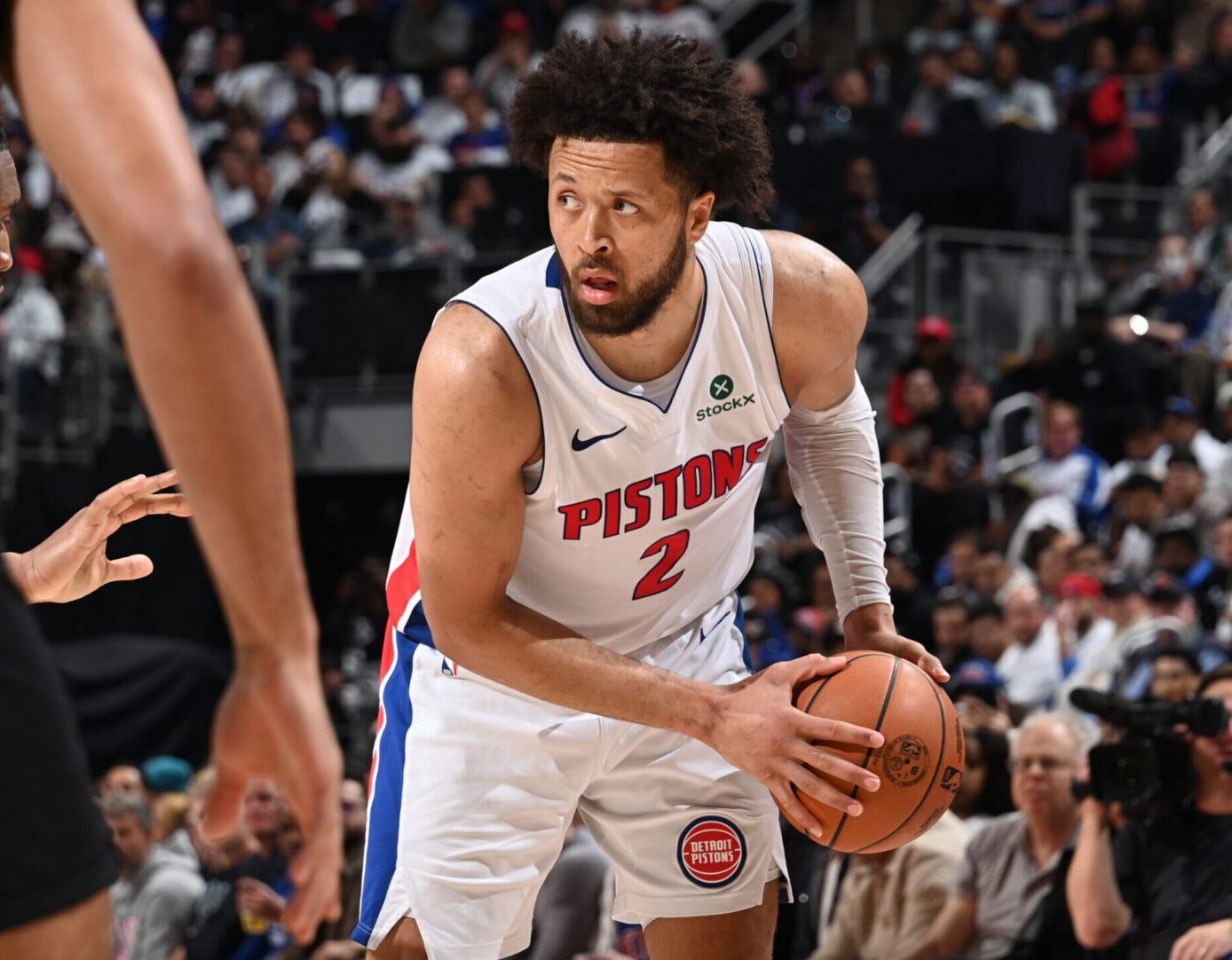
You sit there refreshing your screen at six-fifty PM, staring down a slate of ten games, waiting for the official injury reports to drop so you can lock in your DFS lineups or squeeze out an edge on a spread. Then the news hits: a star forward is a surprise scratch due to ankle soreness, the entire betting market scrambles, and you realize too late that your carefully built roster is anchored to a guy sitting on the bench in street clothes. I’ve seen this exact scene play out hundreds of times, and it always ends the same way—with lost money, wasted hours, and a bruised ego. Tracking NBA starting lineups isn't about casual curiosity; it’s a high-stakes operational game where hesitation costs real capital. If you treat rotation updates like casual pre-game trivia rather than hard financial data, you're going to keep bleeding cash.
Falling for the Trap of Pre-Lock Twitter Rumors
The biggest rookie mistake in this space is treating unverified beat writer speculation as confirmed gospel ten minutes before lock. You see a fringe insider tweet that a questionable guard is expected to play through an illness, so you build your entire cash game lineup around him. Twenty minutes later, he gets ruled out during pre-game warmups, leaving you with zero pivot time and a compromised build.
The underlying reason this happens is simple: desperation for an edge creates confirmation bias. You want the player to start, so your brain accepts ambiguous beat writer tea leaves as a sure thing.
The fix is building a strict procedural firewall. Never lock in a player who is listed as questionable unless you have a direct, pre-planned backup option mapped out down to the exact dollar salary or odds threshold. If a game features a massive late-breaking injury risk, don't touch the primary pieces unless you are physically sitting at your terminal during the final thirty-minute pre-lock window ready to execute emergency swaps. Treat unconfirmed news as noise, not fact.
Misinterpreting Who Actually Absorbs the Usage
Most people look at a late scratch and assume the direct backup at the exact same position absorbs all the vacated statistics. If a starting point guard with a thirty percent usage rate gets ruled out, amateurs blindly plug in his backup and expect a carbon-copy performance.
In reality, defensive attention shifts, opposing coaches alter their schemes, and the team's secondary scorer often takes on primary playmaking duties while the backup just fills minutes without touching the ball.
Consider a tangible scenario:
- The Wrong Approach: Your tracking tool shows a star center is out. You immediately slot his direct backup into your utility spot, assuming standard per-minute extrapolation will net you thirty fantasy points.
- The Right Approach: You check how the offense actually functioned during the prior twelve games that center missed. You realize the team shifted to a five-out small-ball scheme, routing touches through an elite stretch power forward instead, while the backup center barely played fifteen minutes because the opponent ran them off the floor.
Understanding team context beats raw depth charts every single time.
Ignoring the Difference Between Game-Day Scratches and Load Management
Coaches handle injuries and rest days differently, yet bettors frequently treat a veteran sitting for load management the same way they treat a player who suffered a sudden hamstring pull in practice. When a team announces a planned rest day hours in advance, the market adjusts efficiently. When a player is a true game-time decision resulting from a morning shootaround flare-up, the volatility spikes drastically and sportsbooks are often slow to catch up to the true defensive drop-off.
To fix this, maintain a historical log of how specific medical staffs operate. Some franchises announce rest protocols days ahead, while others hide lineup intentions until the final mandatory league submission window. If you're betting early markets, you must factor in coach tendencies rather than just looking at the player's seasonal box score.
Misjudging the Impact of Referee Crews and Opposing Matchups
A common blind spot is looking at a newly announced five-man unit in a vacuum without analyzing how they match up against the opposing team's specific defensive scheme. You might see a revamped group of starters get injected with heavy offensive firepower, but if they're facing a switch-heavy defensive unit that forces low-percentage isolation possessions, their projected efficiency drops through the floor regardless of past individual stats.
The fix is cross-referencing lineup data with matchup tracking metrics. Check how opponents defend specific pick-and-roll coverages or zone alignments. A starting unit lacking a reliable floor spacer will stall out against drop coverage, turning a seemingly great player prop into a losing ticket before the first quarter ends.
Falling Prey to the Ten-Minute Pre-Tip Panic
The league shifted official reporting windows to force teams to submit definitive availability earlier, but frantic gamblers still panic during the final frantic minutes before tip-off. They see a sudden odds movement and assume sharp money is dictating a secret lineup change, leading them to fire off reactionary wagers or last-second lineup overhauls that contradict their initial research.
Stop reacting to every tiny line twitch. Oddsmakers move lines based on public liability and syndicate action just as often as they do for concrete injury news. If you've done your homework on the projected rotations and established clear thresholds, stick to your positions instead of letting market panic dictate your execution.
Reality Check
Mastering this domain doesn't mean you'll magically predict every single rotation curveball thrown by veteran coaches who love playing games with injury designations. There is no software suite, premium subscription, or insider angle that will give you a hundred percent clarity before official word drops. You are always playing probabilities in an asymmetric market where billion-dollar sportsbooks have faster data feeds than any individual desktop. Success requires accepting variance, managing your bankroll so a single late scratch doesn't wipe you out, and treating every lineup sheet as a snapshot in time rather than an absolute guarantee. If you want easy predictability, look elsewhere; this arena punishes laziness and rewards cold, methodical discipline.