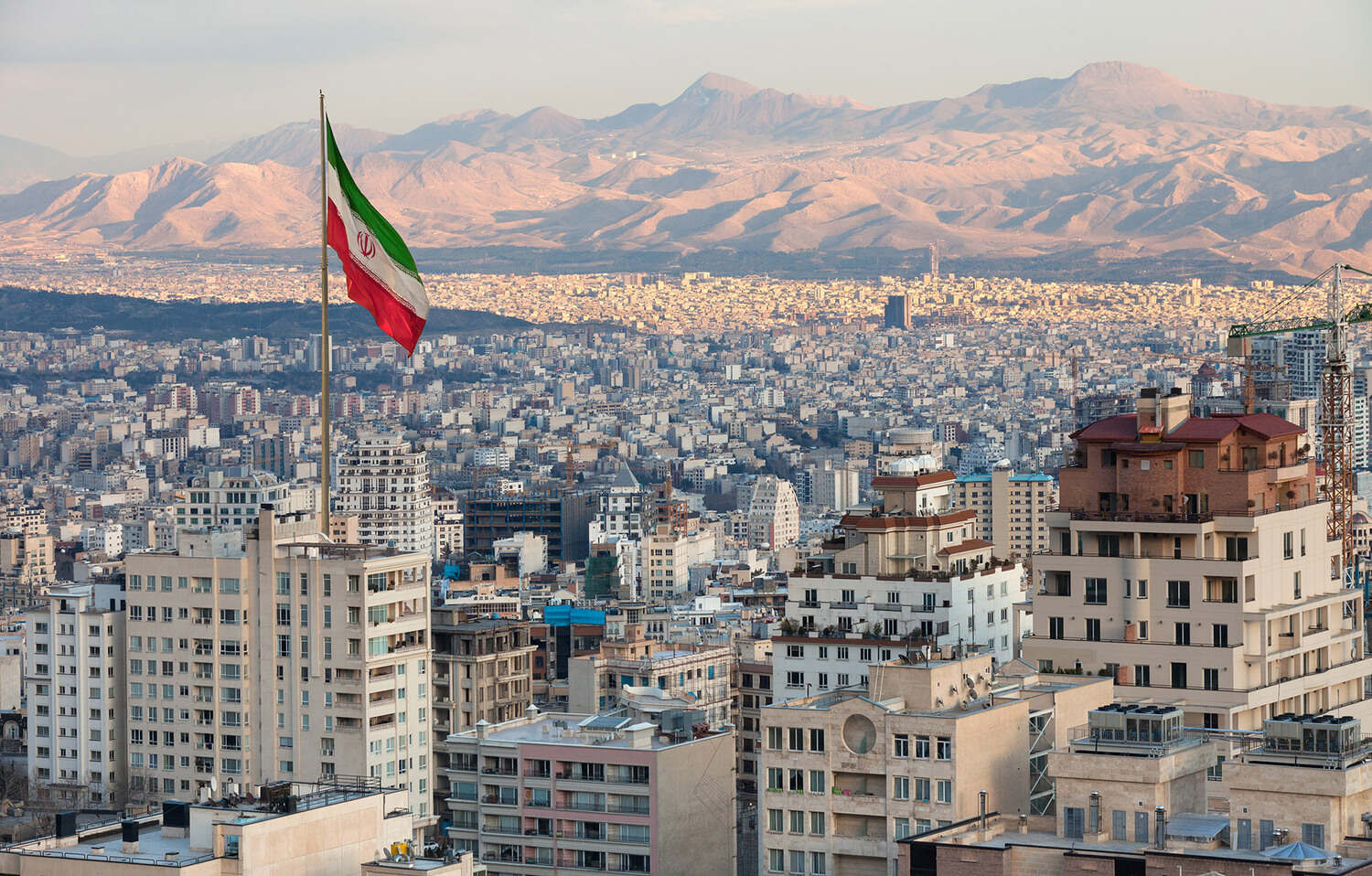
High-stakes diplomacy rarely looks comfortable, and right now, Tehran is the epicenter of a frantic push to keep the Middle East from plunging back into all-out conflict. High-level delegations from Saudi Arabia, Pakistan, and Turkey have converged on the Iranian capital. Their core mission is straightforward yet daunting: persuade Iranian authorities to find a diplomatic off-ramp with Washington and halt any potential cycle of retaliation before it spirals completely out of control.
If you are watching the region right now, you know the stakes couldn't be higher. Maritime security in the Strait of Hormuz is hanging by a thread, economic pressures are crushing local populations, and military posturing from multiple capitals has the entire globe on edge.
Behind Closed Doors in Tehran
The meetings happening in Tehran aren't just standard diplomatic pleasantries. Saudi Arabia’s defense minister, Pakistan’s army chief, and Turkey’s intelligence chief are sitting across the table from Iranian officials to hammer out arrangements that bypass Washington's strict demands.
Regional powers have a lot to lose if things boil over again. Trade routes are constricting, energy markets are jittery, and local infrastructure remains dangerously vulnerable. Gulf nations and neighboring heavyweights realize that relying entirely on outside military intervention from Western powers leaves them holding the bag when things go wrong. Consequently, these states are taking matters into their own hands, pushing for localized security frameworks that reduce their collective exposure to unpredictable escalations.
The Economic Squeeze and Maritime Vulnerabilities
You can't separate current diplomacy from the brutal economic realities on the ground. Western blockades and maritime restrictions have choked off substantial oil and gas revenue for Iran, forcing Tehran to navigate severe financial hurdles, including workaround trades and crypto-tracked transactions that face intense scrutiny.
Meanwhile, the Strait of Hormuz remains a flashpoint. A massive share of global seaborne oil trade normally passes through this narrow waterway. When shipping gets disrupted, insurance costs skyrocket, energy-importing economies panic, and everyday citizens bear the brunt of rising prices. For regional governments, securing these waters isn't just about military strategy. It is about keeping their economies alive and preventing regional confrontation from turning into a permanent economic drag.
Why Outside Players and Local Politics Complicate Everything
Diplomacy is messy when domestic political calendars loom large. Tensions are running hot against the backdrop of shifting political dynamics in the United States and upcoming electoral contests in Israel. Hardliners on multiple sides are pushing for aggressive postures, making it difficult for moderate voices to secure lasting compromises.
Iran insists that diplomatic channels remain viable, but leaders in Tehran continue to reject unconditional surrender terms pushed by Washington. On the flip side, American and Israeli officials warn that the threat of renewed military action remains very real if security conditions or proxy attacks continue to flare up, particularly involving Yemen's Houthi movement.
What Comes Next for the Region
The current talks in Tehran represent a critical test of whether regional middle powers can successfully manage security without direct Western mediation. If these delegations can carve out a working agreement on border stability, trade continuity, and de-escalation, it might just defuse the immediate crisis.
Expect more back-channel negotiations as leaders try to balance domestic political pressures with the urgent need to keep regional trade flowing. Keep an eye on shipping data through the Persian Gulf and statements from Ankara, Riyadh, and Islamabad over the coming days—they will signal whether this diplomatic push is holding up or falling apart.