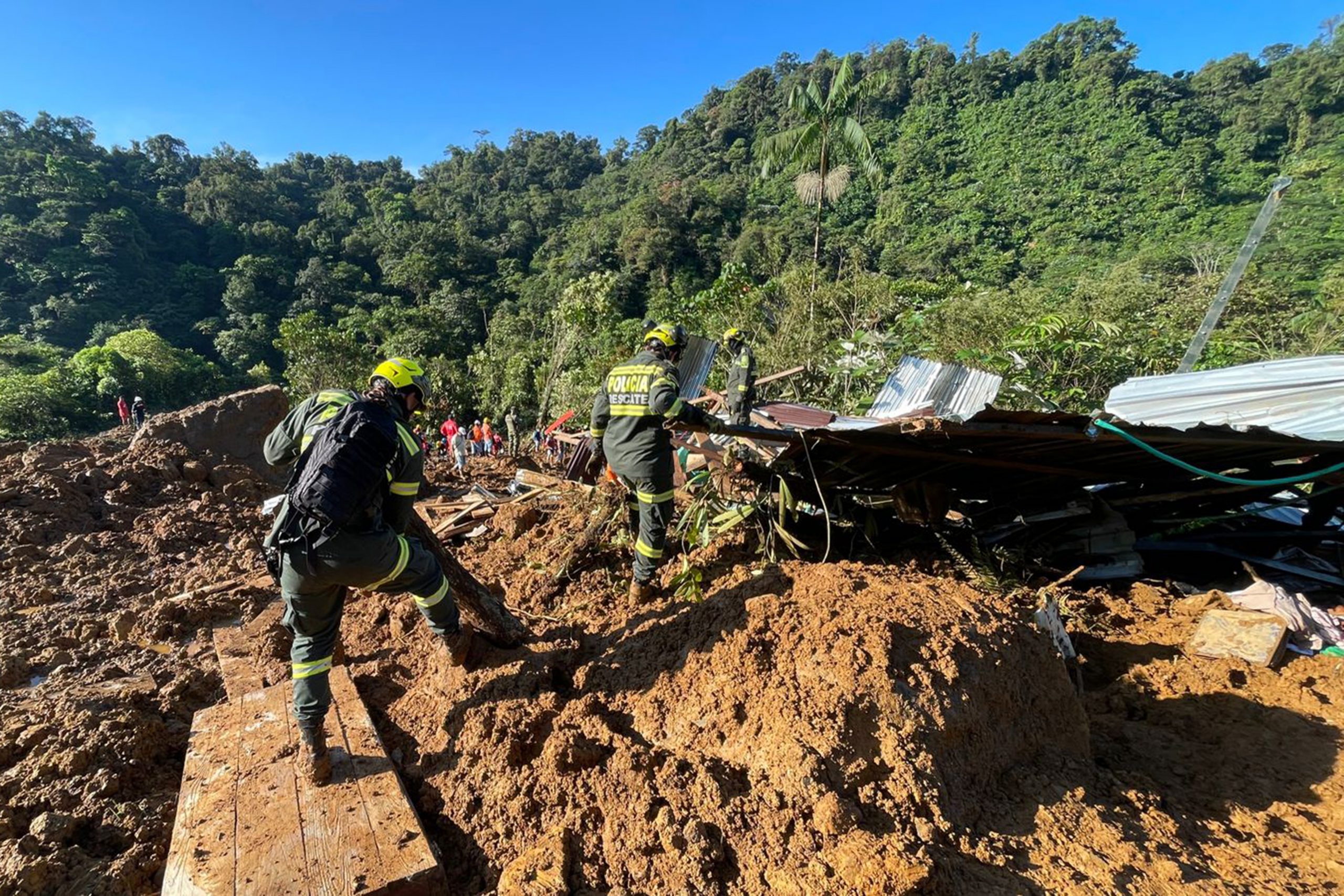
The ground didn't just shake in Colombia on August 10; it exposed a deep, structural vulnerability that the country has ignored for decades. While the world watches the rising death toll—now officially at 314—the numbers don't tell the full story. If you’re looking for the "why" behind the devastation, you have to look past the 7.4 magnitude reading and into the neglected regions of Chocó and the uneven development of the "Coffee Axis."
It’s easy to label this a tragic natural event. That’s partially true. But as someone who has tracked regional infrastructure reports, I can tell you this: the geography of this disaster was scripted long before the tectonic plates shifted.
When Geography Meets Neglect
The epicenter near San José del Palmar in the Chocó department wasn't an accident of geology. It was the epicenter of a humanitarian collision. Chocó is one of Colombia’s most impoverished areas, with a population primarily made up of Afro-Colombian and Indigenous communities. When a 7.4 magnitude earthquake hits a region where hospitals lack basic refrigeration for blood, where roads are barely navigable, and where local government is chronically underfunded, the result isn't just an earthquake; it's a systemic collapse.
We are seeing a "triple crisis" unfold in real-time. You’ve got the immediate destruction from the quake, the long-standing developmental neglect, and the ongoing regional armed conflict that complicates aid delivery. This isn't just about clearing rubble. It’s about trying to provide healthcare to a population that was already underserved before the first building fell.
The Miracle City Contrast
Why did cities like Armenia escape with no collapsed buildings and zero deaths, while others saw hundreds of structures fail? It’s not magic. It’s microzonification.
After the 1999 earthquake, Armenia did the hard work. They mapped their soil block by block. They enforced strict building codes. They banned construction on loose, unstable earth. When the August 10 quake struck, these measures worked. In contrast, cities like Pereira and Cali are dealing with the fallout of poorly enforced building norms. When engineers find modern, one-year-old buildings reduced to piles of plaster and brick, you know corners were cut during construction. It’s an open secret in urban planning that some developers prioritize profit over seismic safety.
The Reality of the Response
With over 262,000 people officially registered as affected, the logistics of relief are staggering. The National Unit for Disaster Risk Management (UNGRD) reports that emergency teams are still searching for 262 missing persons. That number is fluid and likely to shift as the reality of the rural isolation in Chocó, Caldas, and Quindío becomes clearer.
If you’re wondering how you can help or why the aid seems slow, consider the scale:
- 471 municipalities affected across 15 departments.
- 449 roads and 58 vehicular bridges compromised.
- Hundreds of schools and healthcare centers currently non-functional.
When the transport network is crippled, aid doesn't move. Helicopters are filling the gap, but they aren't a long-term solution for moving tons of heavy medical equipment or reconstruction materials.
Looking Past the Headlines
Politicians are already promising billions in infrastructure investment. They’re talking about subsidies and reconstruction. But for people like Ismael Arias, a math teacher in Quibdó who lost the home he spent years building, these promises sound familiar and thin. History in these regions is paved with broken political pledges.
The real task ahead isn't just rebuilding what was lost. It’s changing the standard for what gets built in the first place. If Colombia doesn't adopt the kind of rigorous, block-by-block soil analysis that saved Armenia, the next seismic event will just be a repeat of this one.
Practical, immediate action in the coming weeks involves:
- Supporting localized aid: Organizations like Médecins Sans Frontières are doing the heavy lifting in Valle del Cauca and Chocó. They are the ones actually providing primary care where the local state is currently absent.
- Prioritizing seismic retrofitting: If you have property in the affected regions, hire independent engineers to assess the structural integrity of your buildings before moving back in. "No Habitar" tags are there for a reason.
- Holding developers accountable: The ruins of the one-year-old building in Pereira are a permanent indictment of local building practices. Demand transparency in public works contracts.
Earthquakes are inevitable in this part of the world. The human toll is not. We stop the cycle by prioritizing people over cheap construction and regional development over political convenience.
Colombia Earthquake Disaster Response
This video provides a summary of the immediate impact and the scope of the devastation currently facing the region.
http://googleusercontent.com/youtube_content/1