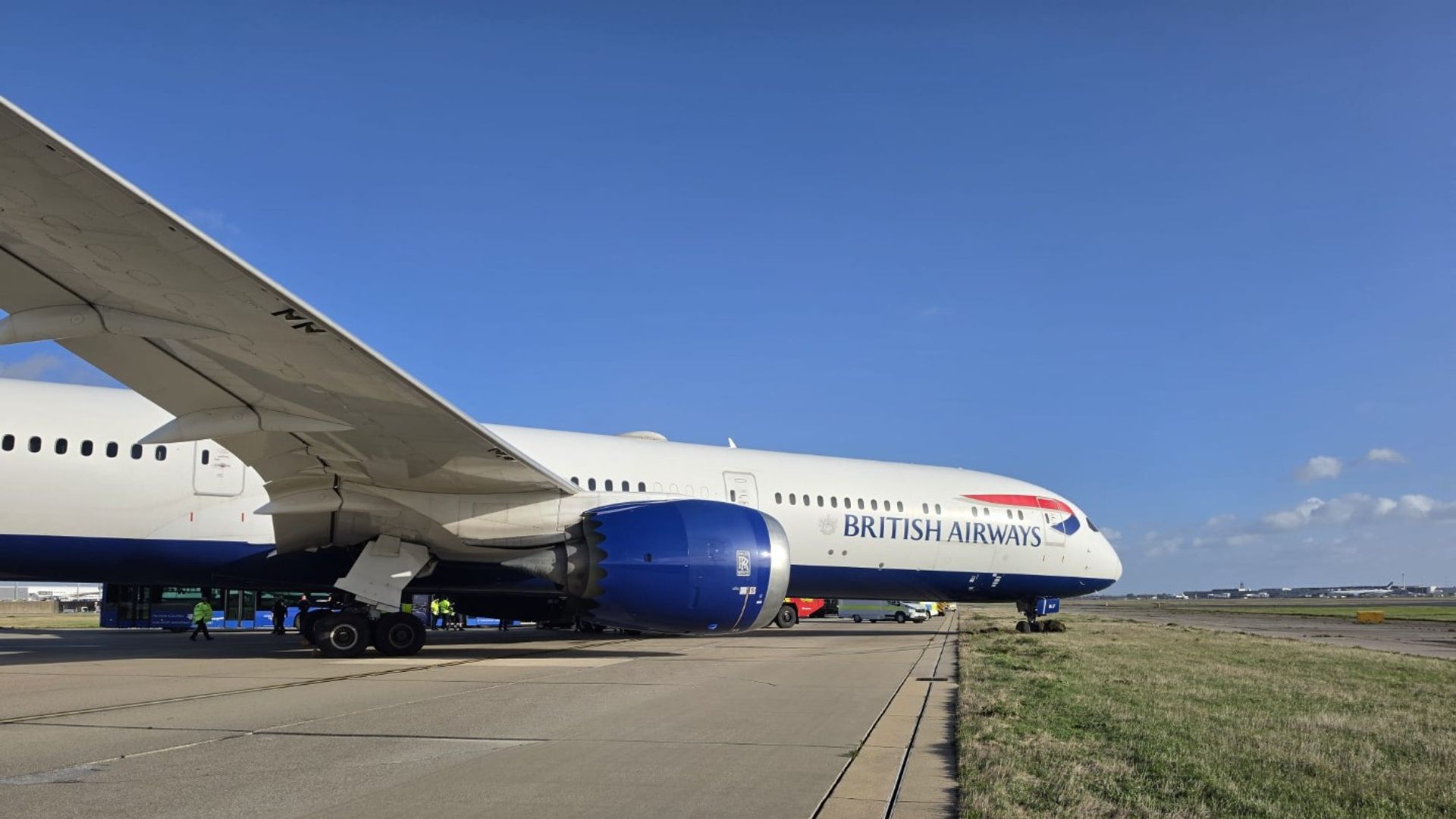
Runway excursions panic passengers instantly. When a British Airways flight recently veered off the tarmac during departure preparations, it reminded everyone just how quickly a routine taxi turns stressful. You sit there waiting for the roar of the engines, expecting a smooth push into the clouds. Instead, motion stops abruptly, uncertainty sets in, and emergency protocols swing into action.
Anatomy of a Runway Departure Mishap
Ground incidents look entirely different from the cockpit compared to the cabin. While travelers feel a sudden lurch or loss of alignment, pilots and air traffic controllers immediately evaluate crosswinds, mechanical traction, and braking friction. Aviation safety investigators look at several immediate variables:
- Surface conditions: Standing water or unexpected friction changes dramatically during acceleration.
- Directional control: Steering a heavy commercial jet relies on nose-wheel steering combined with rudder authority at higher speeds.
- Engine thrust asymmetry: If one side loses power or spools unevenly while rolling, the aircraft pulls hard to one side.
Why Ground Handling Matters More Than Ever
Airports like Heathrow handle hundreds of movements daily. When an incident disrupts operations, the ripple effect triggers widespread delays across international networks. Airlines face intense scrutiny over standard operating procedures during taxi and takeoff rolls. Independent aviation analysts point out that low-speed or pre-takeoff deviations usually allow flight crews to bring aircraft to safe stops before catastrophic damage occurs, but they still require mandatory reporting to authorities like the Air Accidents Investigation Branch (AAIB).
Passengers often wonder how quickly regular services resume. Ground crews work rapidly to tow affected airframes clear of active paths, inspect landing gear structures, and clear the pavement for traffic. If you ever find yourself on a flight that experiences a ground anomaly, following cabin crew instructions immediately remains your safest bet. Aviation remains statistically secure, but these unexpected deviations highlight the razor-thin margins error leaves behind on busy concrete.
Stop assuming modern aviation is entirely immune to ground-level anomalies. Mechanics, pilots, and safety boards treat every veer and skid as a vital lesson for future training simulators. Pay attention to safety briefings next time you fly, because preparation starts long before the wheels leave the ground.