Public anger works. Sometimes, it works remarkably fast.
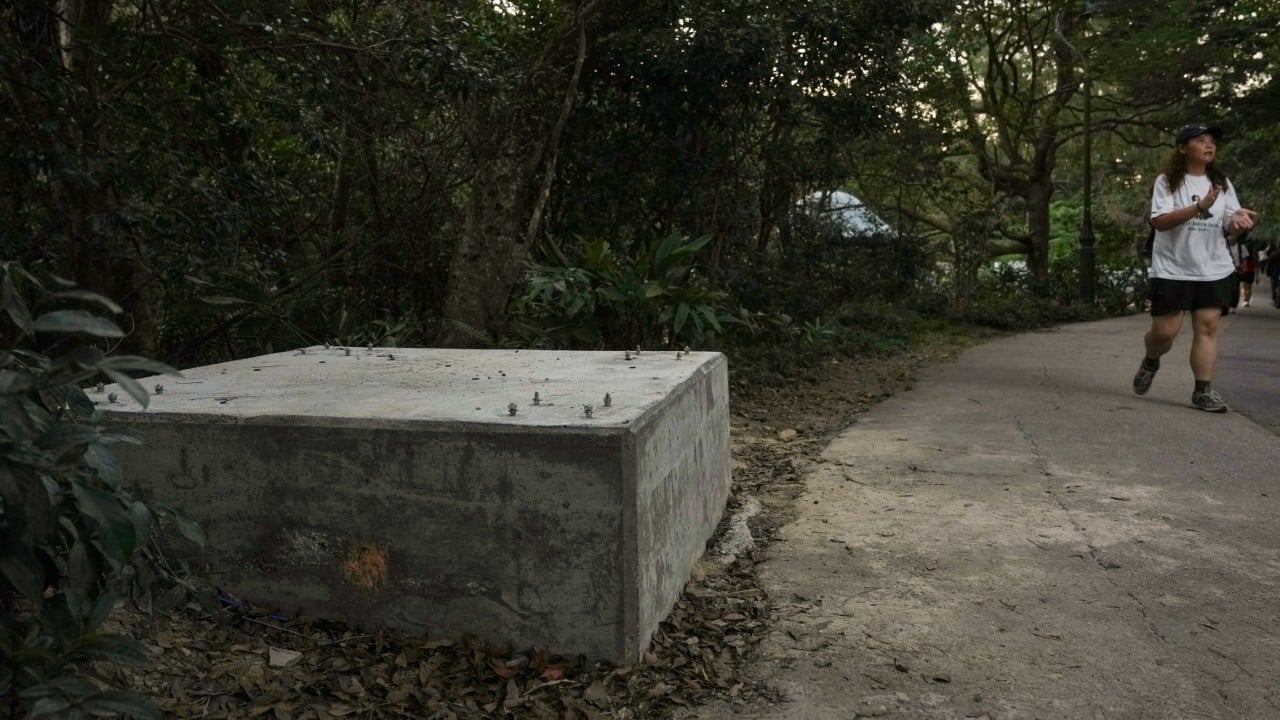
Just days after heavy criticism erupted over intrusive installations on Victoria Peak, two large metal projector stands were dismantled and hauled away. The swift removal followed an onsite inspection by the tourism commissioner, a lawmaker, and a district councillor. But the underlying friction between urban beautification and natural preservation remains entirely unresolved.
When authorities first floated plans to install modern lighting and projection gear along the iconic Peak trails, officials probably imagined glowing reviews and surging visitor numbers. Instead, they hit a wall of fierce public resistance. Residents and environmental advocates pointed out the obvious. Concrete and steel structures don't belong in protected green spaces. The backlash caught officials flat-footed, forcing a hasty retreat and exposing a massive disconnect between urban planners and the citizens who actually use the trails.
The Anatomy of a Planning Blunder
How did heavy metal stands end up on one of Hong Kong's most cherished natural walks in the first place? It's a classic case of bureaucratic tunnel vision. Planners focus heavily on foot traffic metrics, tourism revamps, and visual spectacles. They look at spreadsheets and artist renderings. They rarely consider how a massive metal rig looks against a backdrop of native trees and century-old trails.
When the project details surfaced, the reaction was immediate. Critics highlighted several major flaws in the execution:
- Environmental intrusion: Introducing industrial hardware into a tranquil ecosystem invites permanent ecological disruption.
- Visual pollution: Glowing projections and rigid structures clash with the raw, organic beauty of Victoria Peak.
- Lack of consultation: Local communities felt entirely sidelined while permanent fixtures were approved behind closed doors.
When public outcry reaches a boiling point, officials scramble. The recent site visit by high-ranking representatives served as a clear acknowledgment that the original plan crossed a line. Removing the two projector stands is a welcome first step. Yet, it begs a bigger question. Why do urban projects require a public uproar before common sense prevails?
Balancing Tourism Ambitions With Conservation
Hong Kong constantly tries to reinvent its tourism appeal. Officials want vibrant attractions, nighttime spectacles, and Instagram-ready installations to draw crowds back to traditional landmarks. That urge makes sense on paper. Cities need economic momentum.
However, treating Victoria Peak like an indoor theme park completely misses its value. People hike up the Peak to escape the concrete jungle, not to encounter more industrial hardware. When beautification projects start damaging local trees or altering the natural landscape beyond recognition, the strategy backfires.
The suspension and partial dismantling of the Peak lighting scheme offer a valuable lesson for urban developers. Community feedback isn't an obstacle to be managed. It's an early warning system. If planners listened to residents before pouring concrete and erecting scaffolding, cities could save millions of dollars and countless headaches.
What Needs to Happen Next
Taking down two projector stands won't fix the deeper flaws in how public spaces are managed. Authorities need a complete overhaul of their consultation process. True transparency means sharing detailed architectural and environmental impact plans with the public long before equipment trucks arrive at the trail.
Citizens are watching closely. The rapid retreat on Victoria Peak proves that public pressure can halt ill-conceived plans. Until city planners learn to value natural integrity over flashy commercial gimmicks, every new proposal will face an uphill battle. The real test of leadership isn't how fast officials can install new attractions. It's how quickly they admit a mistake and restore what matters.