Elections in Israel rarely settle anything cleanly. They usually just drag the country deeper into political trenches. When vote counts hit ninety percent and the pro Netanyahu bloc lands firmly at fifty three seats, everyone starts shouting about a mandate while the math tells a much messier story. You are looking at a system built for deadlock, yet voters keep expecting a knockout punch.
Benjamin Netanyahu wants a straightforward narrative of a comeback. His loyalists are already measuring drapes and whispering about stability. But fifty three seats doesn't hand you the keys to the kingdom. It leaves you scrambling. You need sixty one seats to form a government in the Knesset, meaning those eight missing seats aren't just a gap—they are an absolute chasm of political bargaining.
The Arithmetic Behind the 53 Seat Reality
Let's look at the numbers because political journalists love glossing over basic arithmetic. Netanyahu's right-wing religious bloc commands a massive, deeply committed base. They turn out rain or shine. They vote as a bloc. That discipline is why they sit at fifty three seats while their opponents fracture into ideological micro-parties that cannibalize each other's votes.
Yet, discipline only takes you so far when the threshold blocks and minor swings dictate the final outcome.
- The Likud party anchors the conservative movement with its traditional stronghold voters.
- Ultra-Orthodox factions like Shas and United Torah Judaism deliver reliable, high-turnout blocs that never waver.
- Religious Zionist factions push the nationalist agenda further to the right, demanding absolute ideological purity.
You cannot ignore how these pieces fit together. Netanyahu relies on every single one of them agreeing on cabinet posts, judicial overhauls, and budget priorities. The moment one partner decides to walk or demand too much leverage, the whole house of cards shakes.
Why the Anti Netanyahu Coalition Keeps Tripping Over Itself
The opposition suffers from a chronic allergy to unity. If you put five Israeli opposition politicians in a room, you get six different plans to unseat the prime minister. Centrists, leftists, and disgruntled former right-wingers share only one common trait: a burning desire to see Netanyahu exit stage left.
That shared hatred isn't a governing philosophy. Voters figure this out eventually.
When you look at the Arab parties, the landscape gets even more complicated. They hold the ultimate wild card seats, but historic divisions between the Islamist Ra'am faction and more secular nationalist Arab lists mean they rarely present a unified front. Turnout in Arab sectors fluctuates wildly based on whether voters believe participation actually changes their daily safety and economic standing. When turnout drops, the right wing wins. It is that simple.
What Happens Next in the Knesset
Forming a government from a baseline of fifty three seats means Netanyahu has to poach lawmakers from rival factions or convince reluctant kingmakers to cross the aisle. History says he is a master at this exact game of political survival. He knows every lever of power, every personal ambition, and every weakness in his opponents' armor.
Expect weeks of exhausting backroom deals. Expect leaks to the press designed to sink negotiations before they start. Expect citizens to sigh in collective exhaustion because they know another election could be waiting around the corner if these coalitions collapse under their own weight.
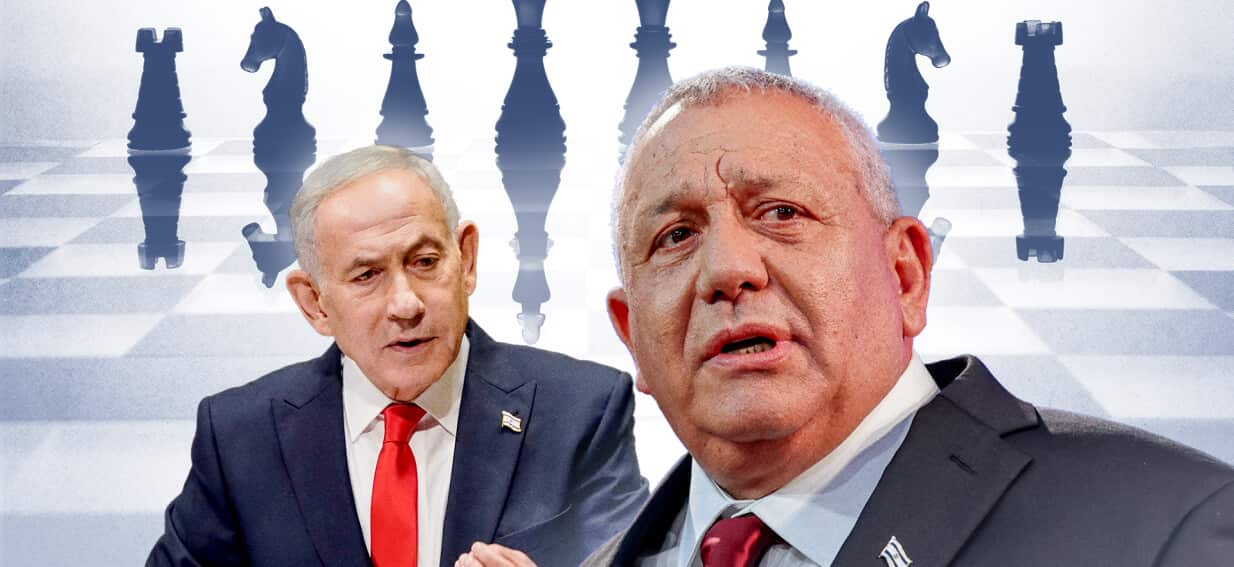
Stop treating Israeli politics like a simple left-right sports match. It's a high-stakes chess game played on a shifting board where nobody ever holds a permanent majority. Watch the small fringe parties over the coming days. They hold all the cards, and they know it.