The arrest of journalist Mohammad Ateeq during an overnight military raid in the West Bank highlights a growing, dangerous reality for independent reporters covering conflict zones. When troops smash down doors and haul away media contributors under vague security pretenses, the boundary between documenting history and becoming a target vanishes completely.
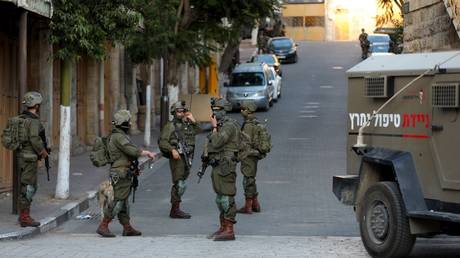
Let's look at what actually happened. Israeli forces detained Mohammad Ateeq, a videographer who has worked with Agence France-Presse (AFP) for three years. The raid took place at his home in Burqin, near Jenin. According to his wife Ansam, soldiers forced open the front door, blindfolded him, confiscated his phones, and discarded his professional camera equipment. The Israel Defense Forces justified the action by claiming he had ties to Hamas, yet they offered no immediate evidence to substantiate the allegation.
Press freedom organizations face an uphill battle when accredited journalists are swept up in military operations without transparent charges. AFP responded by demanding a clear explanation or his immediate release. But statements and diplomatic letters rarely stop boots on the ground.
This incident isn't an isolated anomaly. Independent media workers in the West Bank and Gaza operate under constant pressure. Security forces frequently cite anti-terrorism laws to justify detaining local reporters, freelancers, and videographers who capture the realities on the ground. When international news agencies rely heavily on local talent, those individuals shoulder the heaviest risks without the physical protection or institutional armor of foreign correspondents.
The Vulnerability of Local Reporters
Foreign correspondents fly in, stay in secure hotels, and leave when assignments end. Local contributors don't have that luxury. They live in the communities where raids occur, making them uniquely vulnerable to suspicion from occupying or governing forces.
When a videographer's equipment is thrown onto a balcony and phones are confiscated, the message sent to other local reporters is loud and clear. Silence the lens. Stop recording the raids. Put down the camera.
Without verifiable proof made public, arrests like Ateeq's blur the line between legitimate security enforcement and the suppression of inconvenient documentation. Governments engaged in military campaigns have every incentive to control the narrative. Independent cameras disrupt that control.
What Comes Next for Conflict Journalism
If major news networks cannot guarantee basic safety for their local crews, the pipeline of objective reporting from active conflict zones will dry up. Media organizations must rethink how they support, protect, and advocate for the local journalists who do the dangerous daily work of keeping the world informed.
Demand transparency from authorities holding media workers without charges. Support press freedom watchdogs that monitor journalist safety in real-time. If you consume news from conflict zones, remember the human cost behind every clip you watch.