Elections have consequences, but executive clemency carries a different weight entirely when the beneficiaries walk right back into the legal crosshairs. Cleveland Grover Meredith Jr. learned this the hard way, or perhaps he didn't learn anything at all.
Meredith, a 58-year-old former car-wash business owner from Georgia, recently found himself slapped with a fresh federal criminal complaint. His offense? Allegedly using Facebook to declare that all federal judges presiding over January 6 cases would be executed. It is a stark reminder that sweeping pardons don't always wipe the slate clean of underlying behavioral patterns.
The Backstory You Need to Know
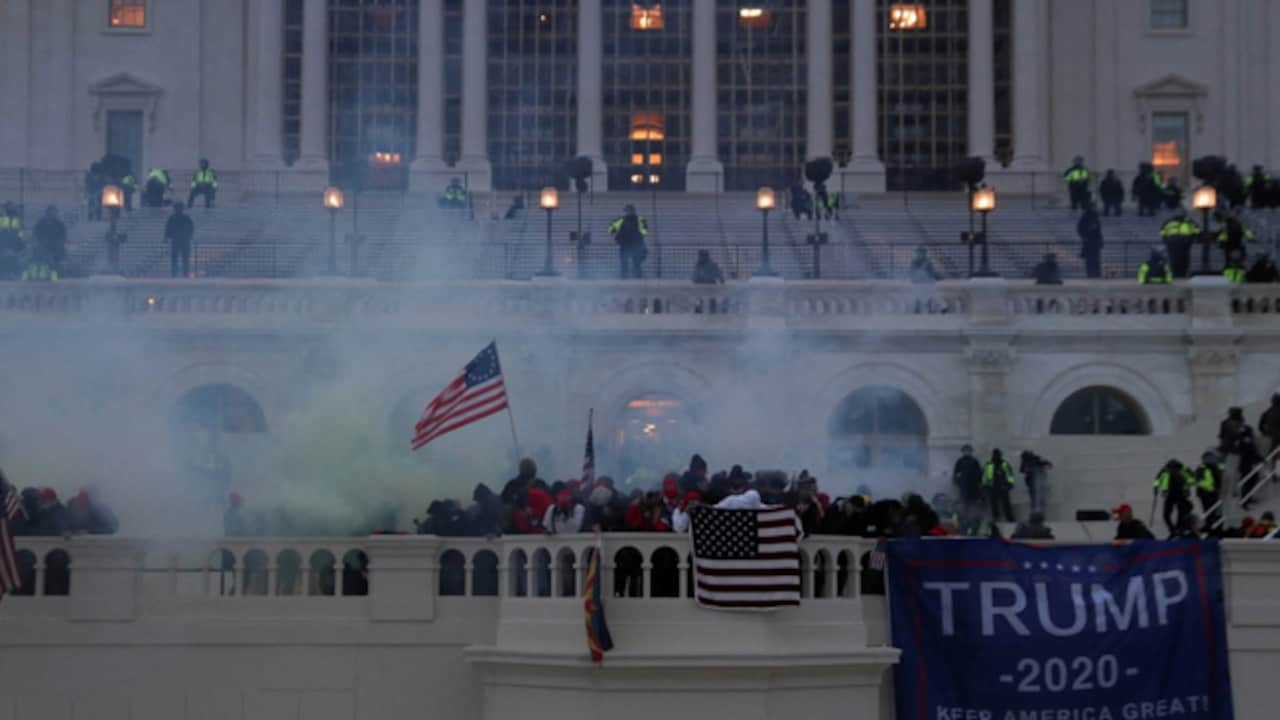
Most people remember Meredith from his initial infamy surrounding the 2021 Capitol riot. Back then, he actually missed the physical breach of the building due to car trouble. But he didn't miss the opportunity to draw the attention of federal law enforcement.
While sitting in a Washington hotel room just after the riot, Meredith sent text messages threatening to put a bullet in the head of then-House Speaker Nancy Pelosi. When the FBI searched his vehicle and hotel room, they uncovered a disturbing arsenal: a 9mm semi-automatic firearm, an assault-style rifle equipped with a telescopic sight, and roughly 2,500 rounds of ammunition.
He pleaded guilty to interstate communications of threats and drew a 28-month prison sentence from US District Judge Amy Berman Jackson. That sentence was cut short when President Donald Trump issued a mass executive clemency order covering nearly 1,600 individuals tied to the January 6 prosecutions. Meredith walked free. Freedom, however, lasted only until his online behavior caught up with him once more.
Crossing the Line Online
Federal prosecutors didn't have to dig deep to find the evidence against Meredith. An April post on Facebook featured a chilling declaration: "ALL J6 Federal JUDGES will be EXECUTED!" paired with grinning and middle-finger emojis. Court documents reveal he didn't stop there. He also allegedly targeted ten federal judges by name, adding warnings that referenced political figures.
According to a criminal complaint filed by FBI Special Agent Richard Taylor, Meredith possessed a well-documented history of violent online rhetoric. Prosecutors argued in detention motions that Meredith had spent at least sixteen months harassing and threatening people and institutions online.
Law enforcement had already interacted with him multiple times after his release, interviewing him in late 2024 and mid-2025 regarding separate online threats. During those sessions, Meredith admitted to making the statements but bizarrely denied they carried any threatening nature. The federal court in Atlanta disagreed, bringing the full weight of the legal system back down upon him.
The Broader Fallout of Mass Clemency
Meredith's case is far from an isolated incident. When thousands of federal cases are abruptly closed via executive order, public safety questions inevitably follow. Data tracking shows that a notable portion of pardoned January 6 defendants have managed to run afoul of the law again for various offenses ranging from local infractions to severe felonies.
Judicial security has become an increasingly tense topic in American politics. Federal judges handling politically sensitive, high-profile insurrection trials operate under intense scrutiny and security protocols. Threats directed at their lives cross an absolute red line for the Department of Justice, regardless of political alliances or past presidential pardons.
When you look at how online radicalization merges with real-world grievance, the pattern becomes clear. Clemency wiped away Meredith's prison sentence for his 2021 threats, but it did nothing to alter his digital footprint or his hostility toward the judiciary. Now, he faces federal detention hearings in Atlanta while prosecutors push to keep him behind bars pending trial.
Actions have consequences, and threats against the bench carry mandatory federal attention. Meredith's second round with the justice system proves that walking out of prison early doesn't mean you're immune to the laws you chose to test.