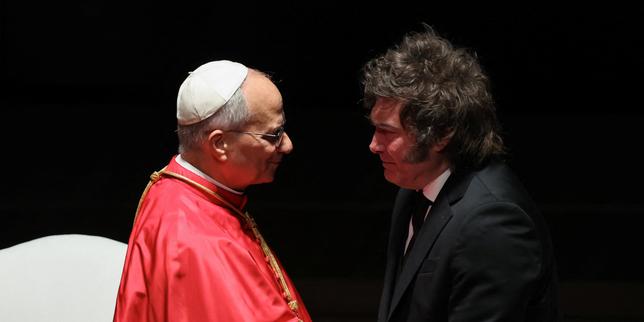
When Pope Leo XIV touched down in Buenos Aires on Sunday, November 8, 2026, he didn't waste time playing diplomatic hide-and-seek. Standing alongside libertarian President Javier Milei at the Palacio Libertad, the pontiff delivered a direct and uncompromising message about economic policy. The core of his address hit a nerve across South America's most polarized political landscape: the economy has to serve human beings, not the other way around.
If you've been following Argentina's radical fiscal overhaul under Milei, you know the stakes couldn't be higher. The government has slashed public spending, gutted state agencies, and pushed aggressive market reforms to tame chronic inflation. Markets and orthodox economists love the discipline. But on the ground, millions of ordinary families are feeling the intense weight of harsh social service cuts.
Pope Leo's arrival marks the first papal trip to Argentina since John Paul II's visit back in 1987. It also arrives just over a year after the passing of Pope Francis, who never managed to visit his home country during his 12-year papacy. Against this emotional and political backdrop, Leo XIV chose his words carefully, addressing public policy, national unity, and the heavy toll of unbridled financial orthodoxy.
The Human Cost of Market Dogmatism
Milei has built his brand on shock therapy. He promised to rip out inflation by the roots, and he's done whatever it takes to achieve a fiscal surplus. Yet, critics and local church leaders have spent months warning that the vulnerable are paying an unfair price.
During his address, the pontiff made it clear that public policy needs to actively create jobs, protect disadvantaged populations, and guarantee access to essential education and health care. He noted that leaders must recognize the limits of state power and steer their decisions toward the common good.
It's a subtle yet sharp rebuke of pure libertarian dogma that treats human lives as mere variables in a spreadsheet. When a nation's youth feel forced to pack their bags and leave their homeland just to survive, something is fundamentally broken. Leo XIV didn't mince words on this, pointing out that countries have to examine where they go wrong when young people can't envision a future at home.
A Surprising Embrace
Despite the ideological tension between the Vatican's social doctrine and Milei's anarcho-capitalist worldview, the reception at the Palacio Libertad was surprisingly conciliatory. Milei praised the new pope and paid tribute to his predecessor, Pope Francis, calling him an exceptional figure who remains a permanent part of Argentine history.
For a moment, the entire political spectrum gathered under one roof. It's rare to see Argentina's fractured political factions agree on anything, but the historic weight of the papal visit brought rivals together. Milei even leaned into the moment, speaking about the importance of rising above temporary differences.
Yet, handshakes and warm speeches don't erase deep policy disagreements. Milei's administration faces a tough road ahead. The question isn't whether balancing the budget matters—every economist knows fiscal health is vital. The real question is whether an administration can rebuild a country's economic foundations without crushing the very people it's supposed to protect.
What Happens Next in Buenos Aires
Pope Leo XIV's twelve-day tour across South America is only beginning, but his opening salvo in Argentina sets a high bar for accountability. Leaders who worship pure market efficiency often forget that human dignity cannot be deferred until some abstract future date of macroeconomic stabilization.
If Milei wants to prove his model works for everyone, he'll need to answer the ethical challenge laid down at his doorstep. Efficiency without empathy is just managed decline. Argentina's future depends entirely on whether its leaders can figure out how to balance the books without losing their soul in the process.