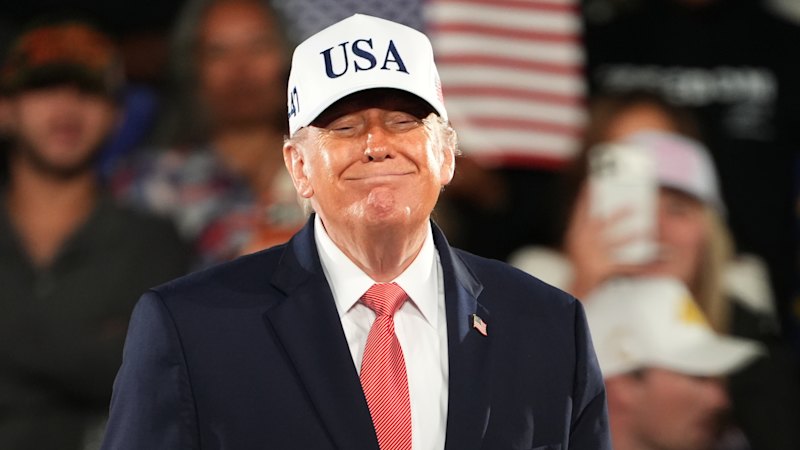
If you've listened to a political speech recently, you've probably noticed something fundamentally altered in the texture of presidential discourse. The rhetoric bouncing off rally stadium walls isn't just louder—it's noticeably darker, far more vulgar, and increasingly unpredictable.
What used to be structured policy pitches wrapped in sharp political jabs has evolved into lengthy, unstructured monologues. We aren't just seeing subtle shifts in talking points. The entire rhythm, tone, and boundary line of modern campaign communication has moved into entirely uncharted territory.
Quantifying the Linguistic Breakdown
Language experts and quantitative data analysts have been tracking these public appearances with fine-toothed combs. When you analyze thousands of hours of speech data across multiple election cycles, the numbers show an undeniable shift rather than a minor drift.
- Profanity Spike: Quantitative speech analysis shows a 2.5-fold increase in explicit vulgarity over a ten-year span. Words that once triggered immediate media broadcast bleeps are now standard features of opening remarks.
- Duration Creep: Average rally speeches used to land comfortably between 45 and 60 minutes. Today, speeches routinely stretch past the 90-minute mark, occasionally cresting two full hours without a clear narrative arc.
- Absolutist Framing: Binary, apocalyptic terms—phrases describing opponents as absolute threats or internal enemies—have almost entirely replaced traditional policy critiques.
The shift isn't just about harsh language. It's about how tangents take over the entire room. Off-script stories detailing physical appearances, unusual personal anecdotes about male athletes' bodies, or graphic detours into local rivalries frequently displace prepared policy points.
The Reality Behind Off-Script Strategy
Many political commentators jump straight to a single explanation when reviewing these wilder speeches. Critics point to cognitive fatigue or age-related decline, while loyal supporters insist it's a deliberate calculation designed to dominate news cycles.
The reality is usually more complex.
In modern political optics, raw shock value serves as a reliable filter. Loud, provocative statements guarantee unearned media coverage. When a speaker drops an unexpected line about a colleague's personal diagnosis or launches into an explicit commentary about a rival, every cable network immediately re-runs the clip.
The primary danger of this approach is audience desensitization. When rhetoric operates at maximum volume constantly, the bar for what shocks people keeps rising. To keep an audience engaged, the statements must continually become more extreme, more vulgar, and more confrontational.
How Unfiltered Rhetoric Reshapes Audience Expectations
Supporters often praise this unvarnished approach, framing it as authenticity. In an era dominated by carefully rehearsed soundbites and polished political handlers, an unscripted rally feels real to millions of voters.
However, the consequences of normalized political hostility extend far beyond stadium walls:
- Lowering the Threshold for Public Decency: When top political figures use crude terms on national broadcasts, local candidates and public officials follow suit, eroding civic decorum across school boards and city councils.
- Erosion of Policy Detail: Complex issues like economic inflation, trade policy, and foreign diplomacy get compressed into simple, aggressive soundbites rather than nuanced strategies.
- Escalation of Us-versus-Them Tribalism: Framing political opponents as catastrophic threats leaves little room for legislative compromise or bipartisan governance.
Understanding this rhetoric requires looking past the outrage cycle. It's easy to get distracted by the latest crude remark or bizarre tangent, but the real story lies in how permanent these linguistic changes are becoming for American political culture.
Actionable Steps for Evaluating Political Speech Data
To track political messaging accurately without falling for sensationalized news commentary, use this clear evaluation process:
- Track Primary Source Transcripts: Rely on full, unedited speech transcripts rather than edited 15-second social media clips to assess whether an outburst was isolated or part of a larger pattern.
- Compare Historical Benchmarks: Measure current speech lengths, profanity counts, and off-script percentages against baseline data from earlier campaign cycles to identify genuine structural shifts.
- Separate Tone from Policy: Distinguish between aggressive rhetoric used primarily for entertainment and actionable legislative commitments proposed on stage.