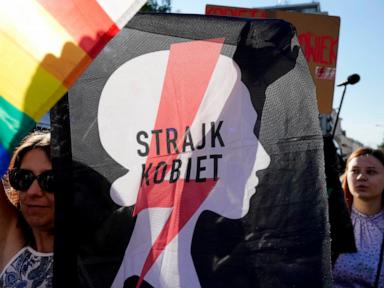
Poland’s fight over reproductive freedom isn't letting up. Despite years of intense street protests, shifting political alliances, and grassroots organizing, the country maintains some of the most restrictive abortion laws in Europe. Thousands of women continue to march through Warsaw and other major cities, demanding unrestricted, free, and legal access to care that politicians keep promising but failing to deliver.
If you look past the headlines about parliamentary votes, the reality on the ground for Polish women remains grim. Under current legislation, abortion is only permitted if a pregnancy is the result of a criminal act like rape or incest, or if it poses a direct threat to the life and health of the mother. Any other circumstance forces individuals to look abroad, navigate underground networks, or rely entirely on medication abortion secured through international activist groups.
The Reality Behind the Parliamentary Gridlock
Politicians love to debate reform, but meaningful change keeps stalling. When the current liberal coalition took power, many hoped the draconian near-total ban enacted by the previous conservative administration would vanish overnight. Instead, progress has turned into a frustrating exercise in political theater.
Legislative drafts move through parliament, sparking fierce debates, only to face almost certain presidential vetoes. Activists argue that politicians use these deadlocks as a convenient excuse. They push bills they know will fail just to court voters, leaving women high and dry while the criminal code still treats assisting with an abortion as a punishable offense.
Passing pills from hand to hand can land you in legal trouble. Doctors hesitate to perform life-saving procedures out of fear of prosecution. That environment of fear forces healthcare providers into defensive medicine, putting pregnant individuals at severe risk.
Grassroots Resistance and the "Abortomat"
When the formal medical system fails, civil society steps in. Activist groups like the Abortion Dream Team have fundamentally changed how people access care by refusing to wait for lawmakers to catch up.
In a bold move across from the parliament building in Warsaw, activists launched an information center and an innovative parcel locker nicknamed the "Abortomat." Operated alongside the international feminist nonprofit Women Help Women, this dispenser allows women who cannot safely order pills to their home addresses—perhaps due to abusive partners or unsupportive families—to pick up medication safely the next day.
This is what modern resistance looks like. Instead of begging a dysfunctional system for basic healthcare rights, advocates are actively hacking the criminal code to provide real, tangible solutions.
What This Means for Europe and Beyond
Poland's ongoing crisis highlights a glaring contradiction within the European Union. While neighboring nations expand access and enshrine reproductive rights in their legal frameworks, Poland remains an outlier alongside Malta.
International donors frequently pull back support under the mistaken assumption that political shifts have solved the crisis. They haven't. The underground network of care providers handles thousands of cases every single year, often stepping in late when complications arise because individuals waited too long or lacked the funds to travel abroad.
Real healthcare equity won't arrive through empty legislative gestures or symbolic votes destined for the veto stamp. It requires dismantling the criminal penalties hanging over doctors and ordinary citizens who simply want to help people make decisions about their own bodies. Until those laws change, the streets of Poland will keep echoing with chants for basic human rights.