Justice delayed isn't always justice simplified. Nearly seventeen years after the tragic November 5, 2009, mass shooting at Fort Hood, the military justice system is marching toward an unprecedented moment. Former Army major and psychiatrist Nidal Hasan faces a scheduled execution by firing squad on December 3, marking the first U.S. military execution since 1961 and the first firing squad implementation since World War II. Yet, the Pentagon’s recent announcement to broadcast the execution via a public livestream has ignited a profound ideological clash among the very survivors who lived through the horror.
While the Trump administration approved the execution and officials like Pete Hegseth championed the public broadcast, the reaction from those bearing the physical and emotional scars of that day reveals deep divisions. Some see closure in an unshielded accounting of accountability, while others fear a grotesque public spectacle that treats national trauma as digital entertainment. Meanwhile, you can explore related developments here: How Brazil Fuel Price Cuts Are Shaking Up The Runoff Vote.
The Divide Among Those Who Survived
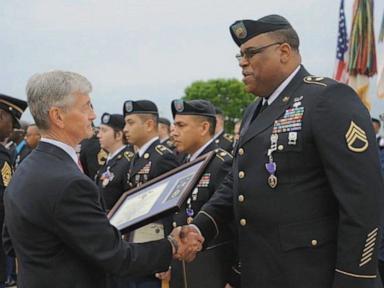
Former Army Sergeant Alonzo Lunsford was shot seven times during the rampage at the Soldier Readiness Processing Center. He survived by playing dead before dragging another wounded service member to safety. Lunsford firmly supports the firing squad method, arguing that lethal injection or the gas chamber offers a mercy that Hasan never extended to the 13 people—including a pregnant private—he killed that day.
Lunsford wants to witness the execution in person to finally close this grueling chapter. But he draws a hard line at the Pentagon's plan to throw the event open to a worldwide public livestream. To understand the complete picture, we recommend the detailed report by USA.gov.
"To show the whole thing without it being censored for the general public, for me personally, I don't agree with that," Lunsford explained during a media interview. "It is not something you should view for entertainment purposes."
Other survivors hold different perspectives, viewing a transparent broadcast as a necessary extension of public accountability. Dayna Roscoe, who was wounded at age 21 during the shooting, noted that while she didn't expect a livestream, it aligns with historical precedents of public accountability. Yet, the friction highlights a recurring dilemma: how do you balance state-sanctioned retribution with the dignity of victims who spent decades trying to rebuild shattered lives?
The Deeper Fight Over Domestic Terrorism Classification
For survivors like Julia Wilson, who was a civil service civilian nine months pregnant on post when the shooting started, the execution date is only part of an ongoing battle. Wilson and other advocates have spent nearly two decades pushing for the federal government to officially reclassify the 2009 massacre as an act of domestic terrorism rather than routine "workplace violence."
That classification label carries massive real-world consequences. The workplace violence designation has historically created administrative barriers to healthcare, benefits, and long-term support for civilian workers injured on military installations.
"If you're going to give justice, give full justice because it needs to be deemed domestic terrorism, not workplace violence," Wilson stated. For these families, a livestreamed execution risks overshadowing the administrative neglect and lack of comprehensive care that has plagued survivors for years.
Legal Roadblocks Ahead
Before any firing squad steps forward or any broadcast signal goes live, profound legal hurdles remain. Military law experts, including Yale Law School professor Eugene Fidell, point out that capital cases in the military system rarely move in a straight line. Hasan retains the right to challenge his detention, sentencing, and the execution parameters in federal court.
Even when the executive branch pushes for expedited action, appeals and constitutional challenges can drag on for months or years. Whether the execution happens on December 3 or gets tied up in federal injunctions, the debate over how the state administers and broadcasts capital punishment has entered uncharted territory.
Take practical note of how modern justice intersects with digital media. As the December date approaches, the dialogue shifts away from simple retribution toward a complex examination of what transparency actually achieves when trauma is beamed directly onto screens worldwide.
Fort Hood survivor opposes livestream of execution
This video explores former Army Sgt. Alonzo Lunsford's specific objections to broadcasting the execution and his perspective on public spectacles.
http://googleusercontent.com/youtube_content/1