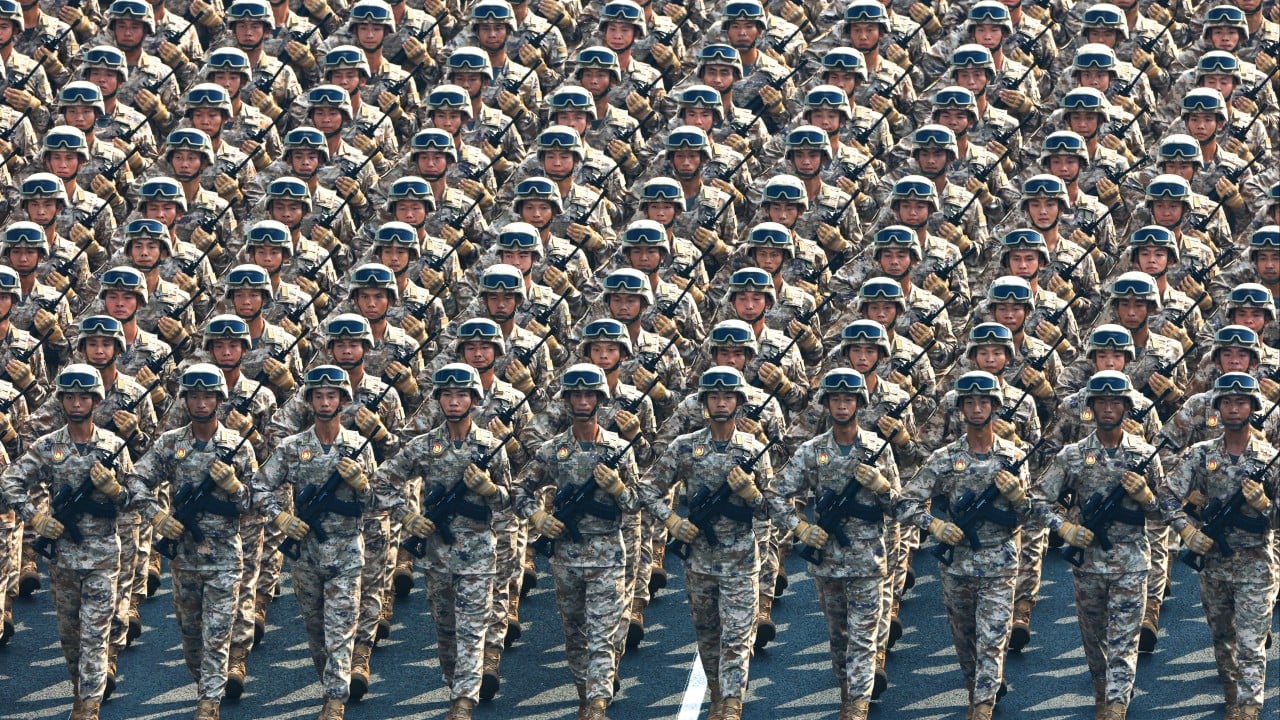
You wouldn't normally picture a global superpower's military recycling old screws, reusing holiday decorations, and handing out second-hand briefcases to officers. Yet that is the exact reality unfolding inside China's armed forces. The People's Liberation Army (PLA) is deep into a sweeping thrift campaign.
Forget high-dollar waste. The mandate coming down from Beijing isn't just about trimming the fat on paper budgets. It's an aggressive operational shift toward strict frugality, impacting everything from routine office administration to equipment management and training logistics.
Why the Military Is Pinching Pennies Now
Troops aren't suddenly broke. China's defense budget remains a massive financial engine, consistently scaling upward to fund stealth fighters, aircraft carriers, and advanced electronic warfare pods. So why the sudden obsession with printing on both sides of a piece of paper and salvaging scrap steel bars?
Military modernization isn't cheap. Building a modern, world-class force capable of projecting power requires pouring incredible capital into high-tech hardware, research, and development. To balance those soaring tech costs, the logistics machine has to tighten up. Waste anywhere drains resources everywhere.
This internal squeeze mirrors broader civil directives across the country. Party and state departments have spent recent years stamping out bureaucratic extravagance. Now, that same ideological microscope is locked onto barracks, supply depots, and command headquarters.
Micro-Management Meets Macro Strategy
When you look at the day-to-day changes, the shift feels granular. Officers are trading brand-new leather briefcases for second-hand alternatives. Maintenance crews are told to extract every ounce of utility out of raw materials, saving leftover steel and hardware components rather than tossing them out. Festive displays and holiday decor get packed away carefully to be dragged out again next year instead of buying new.
It sounds trivial for a nuclear-armed military. But operational culture dictates institutional behavior. If a supply clerk treats printer paper and office stationery with casual disregard, that same lax attitude often bleeds into larger supply chain management.
Commanders want to eliminate waste at the ground level to instill a culture of absolute readiness and efficiency. A lean force is harder to catch off guard.
The Real Impact on Training and Equipment
Critics might write this off as empty political theater or symbolic posturing. But military analysts note that these cost-cutting measures target bloated administrative overhead rather than core combat readiness.
Training exercises remain intense, and weapons development is moving at a breakneck pace. By squeezing inefficiencies out of routine base operations, the PLA redirects those saved administrative hours and minor funds back into high-priority strategic goals.
It is a stark reminder of how major military powers operate under the hood. Grand strategy doesn't live solely in missile silos or war rooms. Sometimes, it lives in the recycle bin next to the double-sided printer.