When US Defense Secretary Pete Hegseth sits down with Southeast Asian counterparts, he isn't just carrying Washington's talking points. He's walking into a room full of leaders who want straight answers about America's staying power. You can talk all you want about burden-sharing and deterring Beijing, but when regional partners look at competing global conflicts and shifting priorities in Washington, they get nervous.
The real tension at the ASEAN security summit isn't hidden behind closed doors. It's out in the open. Southeast Asian nations want to know if the United States treats the Indo-Pacific as a genuine long-term anchor or just another theater of temporary concern.
The Core Anxiety Facing Washington
Let's be honest about what regional capitals are thinking. Countries across Southeast Asia depend heavily on trade with China, yet they rely on the US Navy to keep maritime lanes open. That is a delicate tightrope. When senior American officials demand that regional allies step up their own defense spending while simultaneously juggling major military commitments elsewhere—such as ongoing Middle East entanglements—capitals from Manila to Jakarta start wondering about resource stretch.
Hegseth has repeatedly argued that allies need to take responsibility for their own backyards. His mantra is simple: partners, not protectorates. But that message lands differently depending on who you ask. Wealthy nations can absorb higher defense budgets. Smaller ASEAN states, caught between a rising superpower on their doorstep and a distracted superpower across the Pacific, worry about becoming collateral damage in a great-power standoff.
Navigating Maritime Friction and Regional Skepticism
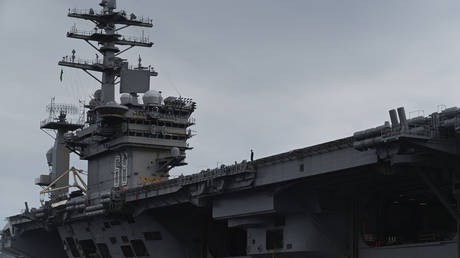
Maritime security in the South China Sea remains a constant flashpoint. Just look at recent patrols by the Philippine military shadowing Chinese carrier groups. These aren't abstract drills. They happen every week, and local commanders live with the physical reality of aggressive coast guard maneuvers.
When regional defense chiefs meet with American representatives, they aren't looking for vague commitments or boilerplate speeches about rules-based order. They want concrete assurances. If an incident spirals out of control at sea, will Washington respond immediately, or will domestic political fatigue sideline US involvement? That is the question hanging over every bilateral handshake.
Another layer of complexity involves economic integration versus security alignment. ASEAN as a block prides itself on neutrality. Member states refuse to pick sides cleanly between Washington and Beijing. When American defense policy tries to force a binary choice, it creates instant friction within the bloc.
What Actually Matters Moving Forward
If you want to understand how US strategy in the Indo-Pacific will play out over the next few years, stop listening to press releases and watch the logistics. Look at where joint exercises are expanding, which ports are receiving infrastructure upgrades, and how defense supply chains are being restructured.
Hegseth's push for shared responsibility isn't going away. Washington expects regional allies to purchase advanced defense hardware, integrate intelligence networks, and harden their own borders. At the same time, America must prove that its defense umbrella remains intact and credible.
The summit in the Philippines marks another chapter in a high-stakes balancing act. If Washington wants sustained alignment from Southeast Asia, it has to offer more than demands for higher budgets. It has to demonstrate unwavering reliability when tensions flare on the water.