Washington is rewriting the playbook on foreign influence on college campuses.
US Defense Secretary Pete Hegseth posted a video announcement on social media declaring that the Pentagon has systematically dismantled 80 Chinese-backed cultural programs across 30 universities over the last two months. These aren't your typical campus language clubs. The Department of Defense officially designated these entities as direct threats to national security, putting an aggressive new stamp on a long-running geopolitical tug-of-war.
If you thought the battle over Confucius Institutes ended when Congress tightened funding restrictions years ago, you missed the sequel.
The Rebranding Problem
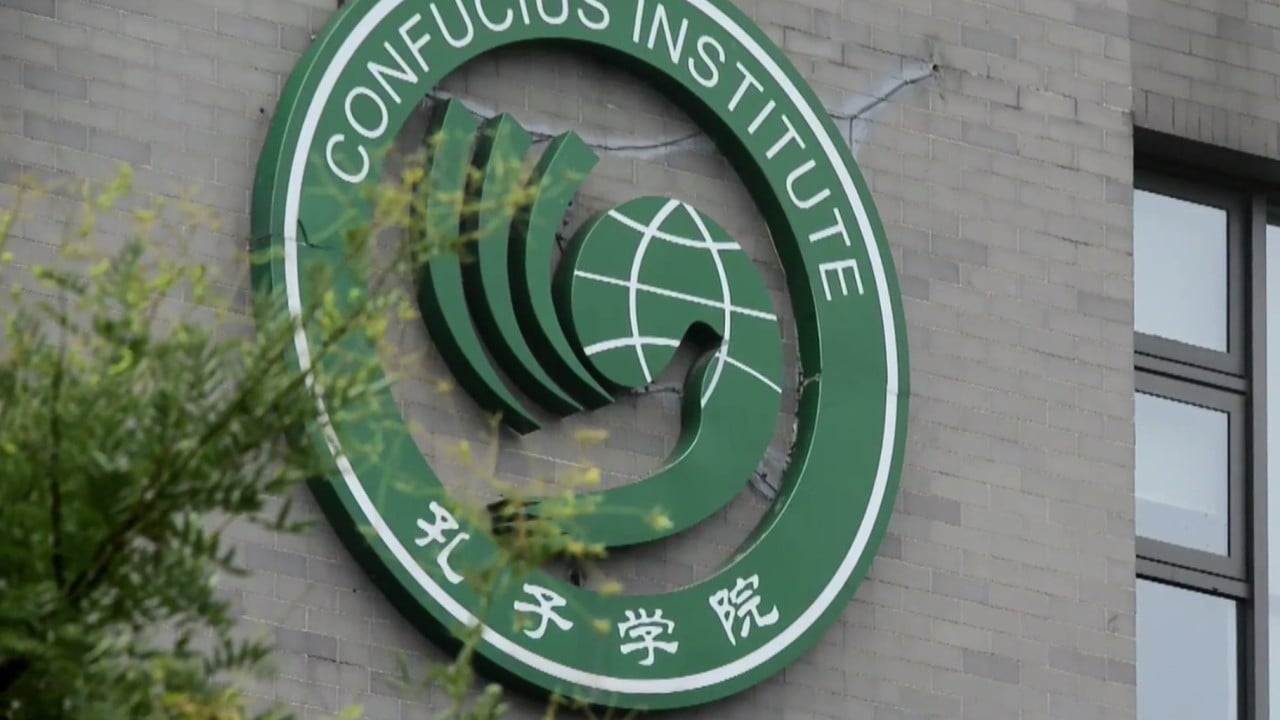
For over a decade, Confucius Institutes operated inside American higher education under the banner of language and cultural exchange. Critics long argued they acted as soft-power outposts for Beijing, preaching state-approved narratives and keeping tight leashes on academic freedom regarding sensitive topics like Tibet, Taiwan, and Tiananmen Square.
Under legislative pressure and intense scrutiny from federal investigators, many universities cut ties or shuttered their official Confucius Institute programs. But bureaucracy has a funny way of bending when incentives shift.
According to the recent Pentagon announcement, the threat didn't vanish. It simply changed clothes. Hegseth pointed out that roughly 80 new cells popped up across 30 universities using different names, alternate charters, and disguised legal entities. They managed to slip past the radar by operating under alternative labels while keeping the same core mission.
That loophole is now slammed shut.
What the New Defense Designation Means
By placing these rebranded cultural centers on the Department of Defense's official list of institutions that threaten national security, the administration is moving past polite diplomatic warnings. This isn't just about freezing grants or issuing congressional reprimands. It represents a hard security posture applied to academic institutions.
Hegseth framed the crackdown bluntly, accusing these networks of infiltrating the minds of American students and operating as intellectual property harvesting grounds. Whether you view this through the lens of necessary counterintelligence or heavy-handed campus intervention, the operational reality on the ground has shifted overnight. Universities hosting any lingering variants of these programs now face severe federal pushback.
Administrators are scrambling to audit their foreign funding streams, partnership agreements, and cultural exchange contracts. Nobody wants to be caught running an organization that the Pentagon classifies as a national security risk.
The Broader Campus Cold War
Higher education has become a primary staging ground for modern geopolitical competition. Research security is no longer an afterthought handled by overworked university compliance officers. It's a front-page national security priority.
The challenge for American universities is walking a fine line. Institutions thrive on global collaboration, international student tuition, and cross-border academic research. Cutting off every international partnership out of paranoia risks isolating American scholarship and choking off valuable scientific exchange. Yet, ignoring covert foreign influence operations leaves critical infrastructure and cutting-edge research vulnerable to state-backed theft.
The crackdown led by Hegseth proves that Washington is losing patience with voluntary compliance. When schools fail to weed out disguised foreign influence cells on their own, the military and national security apparatus step in to do the job for them.
Expect more audits, sharper federal oversight, and a very chilly climate for any campus program that blurs the line between cultural education and strategic state influence. The era of looking the other way is over. Clean house or watch federal authorities do it for you.