You spot your dog scratching behind the ear. A second later, you see a tiny black bug scurry across their belly skin. Panic hits fast. Most pet parents immediately run to the nearest pet store, buy a flea collar or a random spray, and spray down the living room rug. Three weeks later, the bugs are right back, itching just as badly.
It happens all the time. Meanwhile, you can explore similar developments here: Why This New Pet Memorial In Florida Is Giving Grieving Owners A Real Place To Heal.
The biggest mistake people make with fleas is fighting the wrong battle. You see bugs on your dog, so you assume your dog is where the problem lives. That's a trap. Only 5 percent of a flea population actually lives on your pet at any given moment. The other 95 percent exists in your carpet, floor cracks, couch cushions, and yard as eggs, larvae, and pupae.
If you don't target that hidden 95 percent, you'll stay trapped in a endless cycle of biting, scratching, and wasted money. To understand the complete picture, check out the detailed article by ELLE.
Here is what actually works to wipe out an infestation and keep it gone for good.
Why Household Flea Baths Aren't Enough
The moment you spot fleas, the instinctive reaction is washing your dog or cat right away. A good bath helps, but it won't fix the core issue.
Dish soap like Dawn can drown adult fleas on contact by breaking the surface tension of water so the bugs can't float or breathe. Following up with a fine-toothed metal flea comb removes dead bugs and flea dirt (which is basically digested blood). Pay extra attention to the base of the tail, neck, and belly. These are popular hangout spots for pests.
Bath time gives your pet immediate, short-term relief. It feels like a quick win. But soap has zero residual effect. The minute your clean, dry pet steps back onto your carpet, brand-new adult fleas will jump right back on board.
You cannot bathe your way out of a real infestation. You need a two-pronged strategy that targets both the animal and the environment simultaneously.
Step One, Put Every Pet on Prescription Prevention
Over-the-counter flea collars and cheap supermarket topicals rarely cut it during an active infestation. Some older chemicals have lost their punch over time, and certain collars can irritate your pet's skin without doing much to halt reproduction.
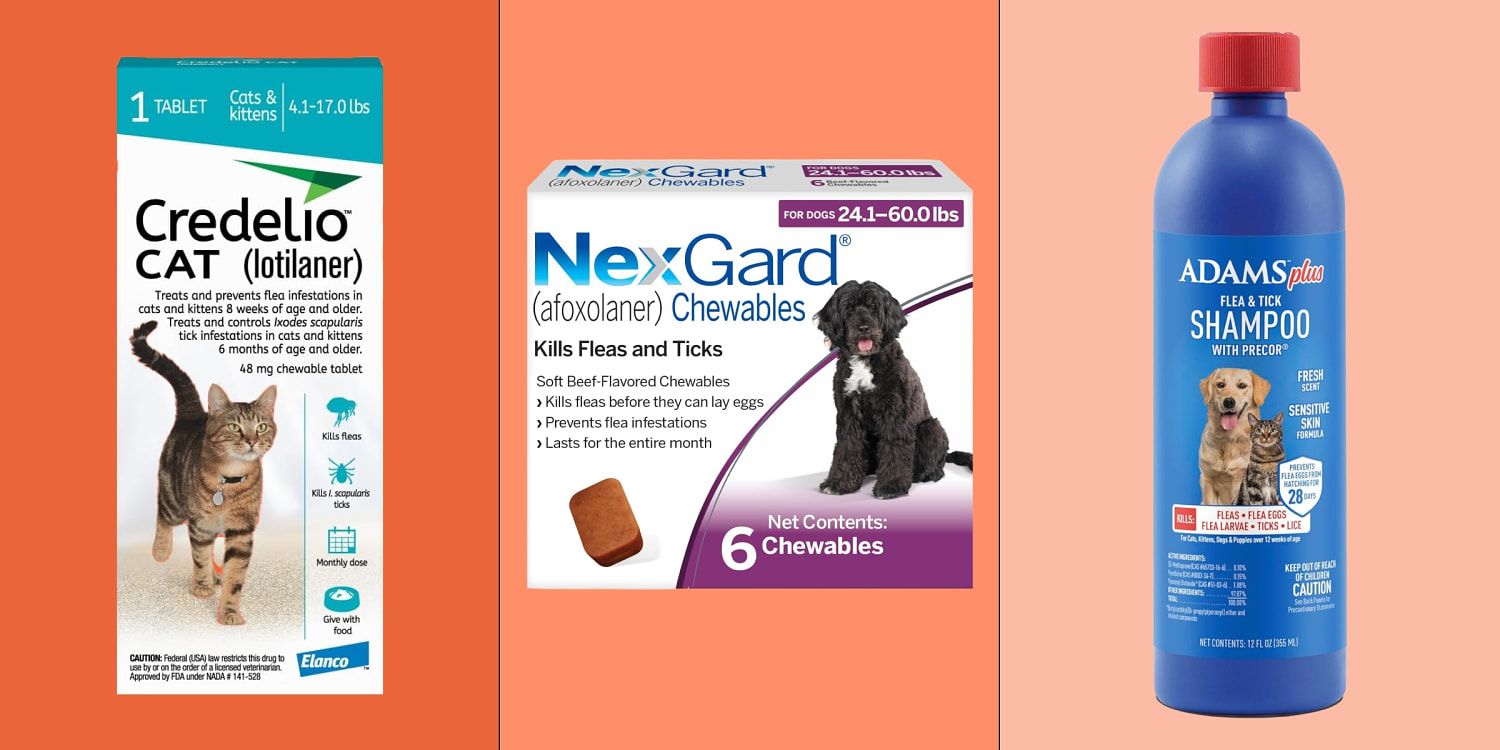
Veterinarians widely prefer oral chewables or modern prescription topicals. Fast-acting oral treatments containing isooxazoline compounds—such as fluralaner, afoxolaner, or sarolaner—work through your pet's bloodstream. When a flea bites the animal, it ingests the medication and dies within hours, long before it can lay eggs.
Female fleas are egg-laying machines. A single adult female lays up to 50 eggs every day. If you eliminate the adults before they lay, you starve the whole cycle.
If you have multiple animals in your home, every single one needs to be treated at the same time. If you treat your dog but leave your indoor cat untreated, that cat becomes a living reservoir where fleas continue to multiply.
Always use species-specific products. Never put dog flea treatments on cats. Dog formulas often contain permethrin, which is extremely toxic to cats and can easily be fatal.
Step Two, Attack the 95 Percent Hiding in Your Floors
Once your pets are protected with proper medication, turn your home into a fortress. This requires physical work and chemical precision.
High-Heat Washing
Gather all pet beds, blankets, throw rugs, and soft toys. Wash them in hot water—at least 140 degrees Fahrenheit or 60 degrees Celsius—and dry them on high heat. Heat destroys flea eggs and larvae instantly. If a bed is too old or damaged to wash, throw it in the trash in a sealed plastic bag.
Strategic Vacuuming
Vacuuming is your single best tool for indoor control. Do not just skim the middle of the room. Flea larvae hate light. They crawl deep into carpet fibers, under baseboards, beneath furniture, and into dark corner cracks.
Move your furniture. Vacuum under couches, along wall edges, and across every rug.
Here is a simple trick that most people skip: vacuuming creates heat and vibration. That physical shaking tricks dormant flea pupae inside their protective cocoons into thinking a host is nearby. They hatch out into the open air where your vacuum can suck them up, or where applied treatments can kill them.
When you finish vacuuming, empty the canister or remove the bag immediately. Put the trash straight into an outdoor bin. If you leave full vacuum bags inside the closet, flea eggs will hatch right inside the machine and crawl back out into your hallway.
Chemical Growth Regulators
Vacuuming clears out roughly 60 percent of eggs and 30 percent of larvae, but thousands stay buried deep down. To catch the rest, use an indoor environmental spray that contains an Insect Growth Regulator, or IGR. Look for ingredients like pyriproxyfen or methoprene on the label.
Standard insecticides only kill adult insects. An IGR acts like birth control for bugs. It prevents eggs from hatching and keeps larvae from maturing into biting adults.
Remove all pets and children from the area before spraying. Apply the spray to carpets, baseboards, and napping spots until surfaces are damp to the touch. Let everything dry completely before letting your family back into the room.
Step Three, Secure Your Yard
Pets pick up fleas outdoors. Even if your cat stays inside, wild animals like raccoons, opossums, stray cats, and squirrels carry fleas through your yard every night, dropping eggs as they walk.
Fleas despise bright sunlight and dry dirt. They thrive in humid, shady, grassy zones.
Keep your grass cut short and trim back low-hanging bushes. Tidy up piles of damp leaves or fallen branches where moisture collects. If your pet likes to rest under a deck or beneath a shady tree, focus your outdoor attention on those specific shaded zones.
You can apply outdoor flea sprays or nematodes—microscopic organisms that eat flea larvae in the soil—to shady dirt patches. Avoid spraying sunny areas; sunlight kills flea larvae anyway, so treating those spots just wastes money.
The Cocoon Trap and Why Fleas Return After Two Weeks
Two weeks after deep cleaning your house, you might suddenly see a few live fleas jumping near the couch. People usually panic and assume their treatments failed completely.
They didn't. You're dealing with the pupal stage.
Flea pupae enclose themselves in sticky, silk-like cocoons that resist almost every household chemical spray on the market. They can sit quietly inside carpets for weeks or months. When they finally emerge as young adults, they jump looking for a host.
This is normal. As long as your pets stay on continuous, vet-approved preventive medication, those newly hatched fleas will bite the treated pet and die quickly without laying new eggs.
It takes roughly three to four months of consistent effort to fully drain the environmental egg bank in a heavily infested home. Stay patient and keep vacuuming every few days.
Actionable Next Steps
Take these exact steps today to stop an active flea infestation fast.
- Call your veterinarian to get a prescription oral or topical flea treatment tailored to your pet's exact weight and species.
- Strip all pet bedding, throw blankets, and couch covers, then wash them in hot water and dry on high heat.
- Vacuum all carpets, rugs, baseboards, and furniture thoroughly. Take the vacuum canister or bag straight to an outdoor trash can.
- Treat indoor floor surfaces with a pet-safe household spray containing an Insect Growth Regulator.
- Keep your pet on consistent, year-round preventive treatments to stop future infestations before they start.